Definition
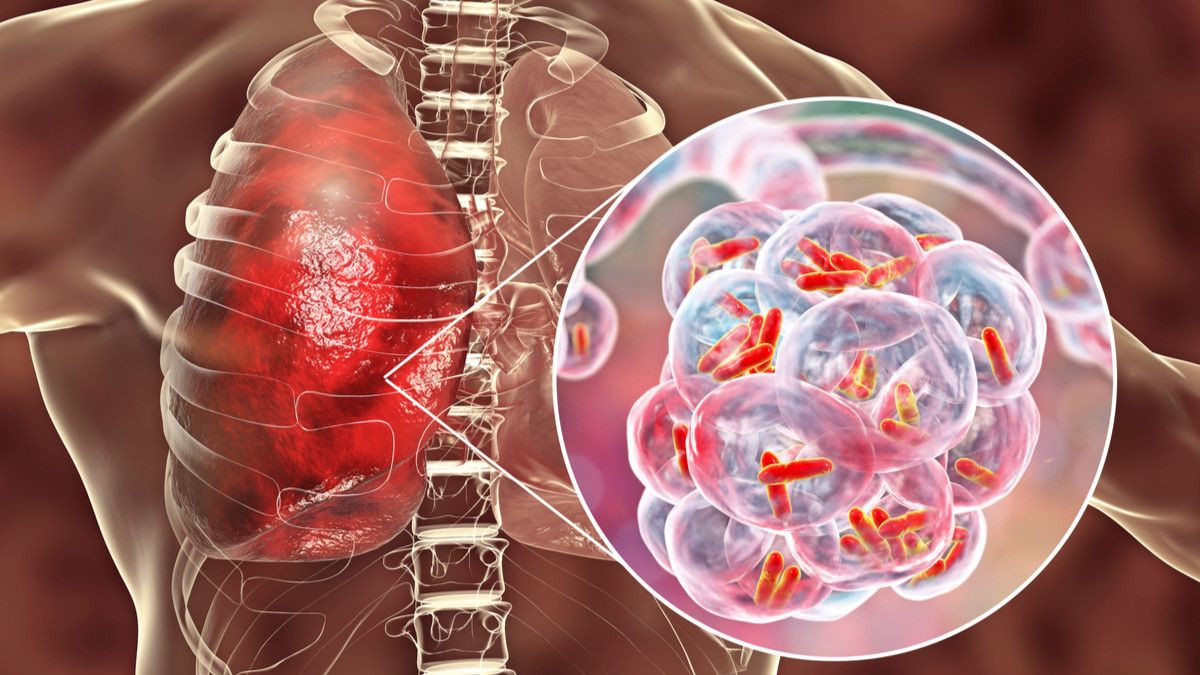
A lung abscess is the formation of a cavity or hole containing pus in the lung due to bacterial infection. Bacterial abscesses are commonly caused by bacteria normally present in the mouth entering the lungs. Symptoms experienced by someone with a lung abscess include fatigue, decreased appetite, night sweats, fever, weight loss, and productive cough. The diagnosis of a lung abscess is established by a doctor through a chest X-ray examination.
Causes
Lung abscesses are commonly caused by bacteria that normally inhabit the mouth and nose. These bacteria are accidentally inhaled into the respiratory tract and reach the lungs, causing infection. Additionally, infection in the gums (periodontal disease) can be a source of bacteria that cause lung abscesses.
When foreign substances accidentally enter the respiratory tract, the body's defense mechanism, coughing, typically prevents bacteria from entering the lungs. However, individuals who are unconscious, under sedative medications, intoxicated, or using drugs that impair consciousness, as well as those with neurological diseases, may lack a functioning cough reflex. Consequently, bacteria can enter the lungs and cause infection in these cases.
Lung abscesses can be categorized into two types based on their causes:
- Primary lung abscesses are caused by direct lung infections, often associated with:
- Alcohol abuse: Individuals who abuse alcohol frequently experience vomiting and altered consciousness, increasing the risk of gastric acid entering the lungs and leading to infection. Alcohol abuse can also compromise the immune system due to malnutrition, making infections more likely.
- Aspiration pneumonia: This occurs when food or foreign objects are inhaled into the respiratory tract, allowing oral bacteria to invade the lungs. Like alcohol abuse, aspiration pneumonia often occurs due to altered consciousness, inhibiting effective coughing.
- Poor oral hygiene: Bacterial infections originating from inadequate oral hygiene can also contribute to primary lung abscesses.
- Secondary lung abscesses result from infections originating outside the lungs, such as:
- Airway blockages.
- Infections spreading from other parts of the body to the lungs. While lung abscesses typically occur in one lung, they may affect both lungs in these cases.
The bacteria causing lung abscesses can vary, but common culprits include
- Staphylococcus aureus is often associated with secondary lung abscesses and heart valve infections.
- Other bacteria commonly causing secondary lung abscesses include Streptococcus sp., Klebsiella sp., Haemophilus parainfluenzae, Pseudomonas sp., and Escherichia coli.
- Anaerobic bacteria such as Bacteroides, Clostridium, and Fusobacterium can cause primary lung abscesses.
The prevalence of these bacteria may change over time. Currently, Klebsiella is often a cause of lung abscesses, particularly in diabetic patients.
Risk Factor
Factors that can increase the risk of developing a lung abscess include:
- Alcohol abuse
- Undergoing sedation or general anesthesia
- Organ transplant recipients
- Malignancy
- HIV/AIDS
- Unconsciousness or decreased consciousness
- Poor dental and oral health
- Neurological conditions that inhibit coughing
Symptoms
Symptoms of a lung abscess include:
- Fatigue
- Loss of appetite
- Night sweats
- Fever
- Productive cough. The sputum often has a foul odor because oral bacteria entering the lungs can cause unpleasant odors
- Bad breath
- Chest pain when breathing
- Weight loss
- Coughing up blood
These symptoms can persist for several weeks before someone seeks medical attention.
Diagnosis
The doctor will inquire about your symptoms and risk factors. During the physical examination, they will measure body temperature, listen to lung sounds, and perform percussion (tapping) on the lungs to detect any sound changes. Additional tests that may be conducted include:
- Radiological examinations, such as chest X-rays or CT scans, which can visualize the condition of the lungs and locate the abscess. However, as the disease progresses, radiological findings may become less visible as the abscess is replaced by scar tissue. Lung abscesses are most commonly found in the right lung.
- Bacterial cultures: to identify the bacteria causing the abscess. Sputum samples are typically collected for this test, and the bacteria are cultured in the laboratory.
- Bronchoscopy: performed to collect lung samples if antibiotics are ineffective, there is airway obstruction, or the patient's immune system is compromised.
Management
Treatment for a lung abscess involves antibiotic therapy. Initially, antibiotics are administered intravenously and then may transition to oral antibiotics as symptoms improve. Antibiotics are continued until all symptoms resolve, typically over 3-6 weeks.
If the abscess is caused by a foreign body obstruction, such as a tumor, bronchoscopy is necessary to address the obstruction.
In some cases, antibiotics may not fully resolve the infection, leading to empyema, where pus accumulates in the pleural cavity around the lung. Treatment may involve draining the pus with a tube. Surgery may be required if the infection cannot be managed with medications, and in severe cases, a lobe of the lung may need to be removed.
Most individuals who receive appropriate treatment can recover. Treatment failure is typically due to airway obstruction from a tumor or severe immune compromise.
Complications
If left untreated, a lung abscess can lead to further complications, including:
- Empyema. An accumulation of pus in the pleural cavity, which can be life-threatening and requires prompt treatment
- Bronchopleural fistula. An abnormal passage connecting the lungs with surrounding organs, leading to the spread of infection and respiratory disturbances
- Bleeding. In advanced cases, a ruptured lung abscess can damage surrounding blood vessels, resulting in significant bleeding.
- Infections in other organs. A ruptured lung abscess can cause pus to spread to nearby organs, potentially leading to infections in other parts of the body, including the brain.
Prevention
Lung abscesses can be prevented through various measures, such as:
- Maintaining oral hygiene by brushing teeth twice a day and scheduling dental check-ups twice a year
- Avoid lying down immediately after eating, especially if you have gastroesophageal reflux disease (GERD)
- Reducing alcohol consumption
When to See a Doctor?
Seek medical attention promptly if you experience the symptoms of a lung abscess mentioned above or if your symptoms persist despite receiving treatment.
- dr. Alvidiani Agustina Damanik
Cattamanchi A. (2021). Lung abscess. Healthline. Available from: https://www.healthline.com/health/lung-abscess#treatment
Eldridge L. (2022). An overview of lung abscess. verywellheatlh. Available from: https://www.verywellhealth.com/lung-abscess-overview-4768089
Ratini M. (2020). What is lung abscess?. WebMD. Available from: https://www.webmd.com/lung/lung-abscess-overview
Sabbula BR, Rammohan G, Akella J. Lung Abscess. [Updated 2021 Aug 11]. In: StatPearls [Internet]. Treasure Island (FL): StatPearls Publishing; 2022 Jan-. Available from: https://www.ncbi.nlm.nih.gov/books/NBK555920/
Sethi S. (2021). Abscess in the Lungs. MSD Manual. Available from: https://www.msdmanuals.com/home/lung-and-airway-disorders/abscess-in-the-lungs/abscess-in-the-lungs