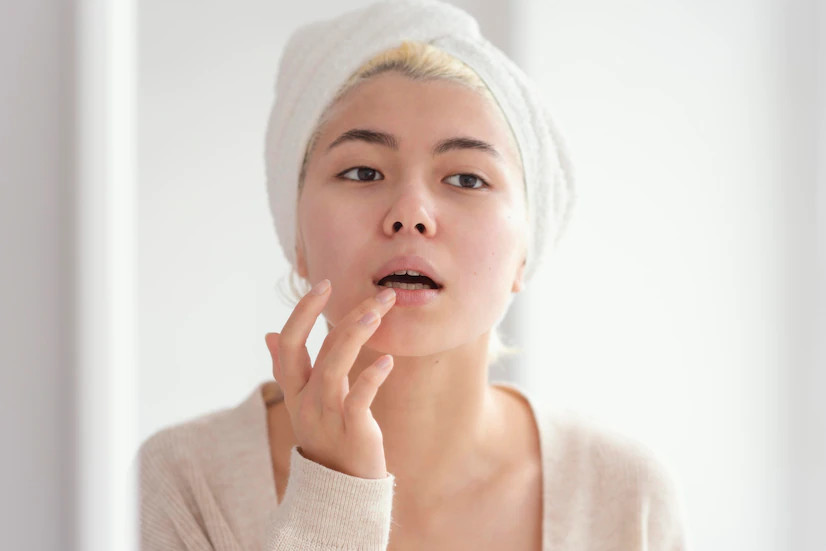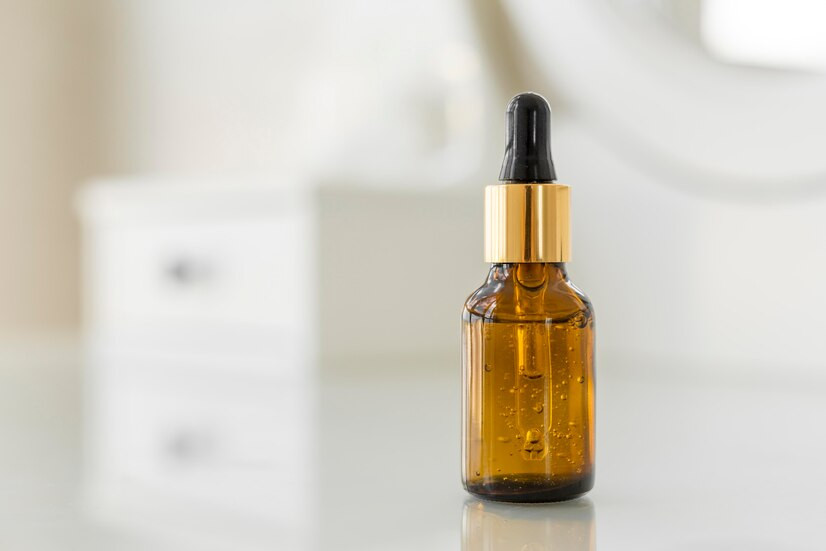
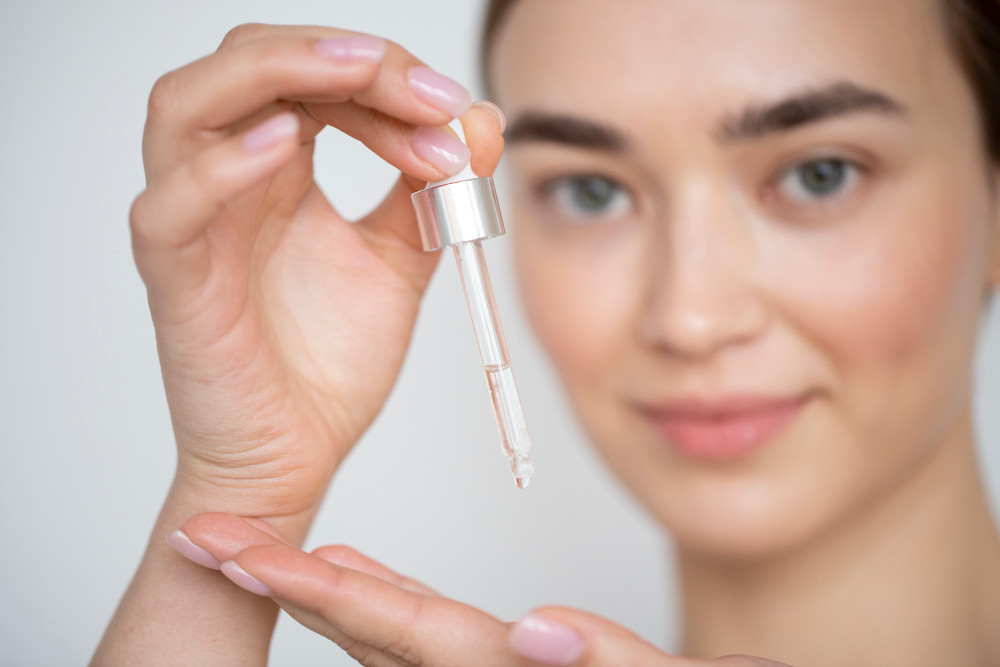
Skincare products containing snail mucin are praised for their ability to address inflammation and various signs of skin aging. This natural ingredient is commonly found in anti-aging treatments and products designed to reduce acne scars.
So, what are the benefits of snail mucin in skincare? Let’s explore the details in this article.
What is Snail Mucin?
As the name suggests, snail mucin is a natural secretion produced by snails. This mucous substance is typically collected from live snails, usually when they are stressed or alert. To collect the mucin, the snails are either sprayed with a mild chemical or gently stimulated using a stick. After the mucin is harvested, the snails are returned to their natural habitat.
The mucin produced by snails serves various important functions, including:
-
Helping them move smoothly along surfaces.
-
Enabling them to cling to surfaces when hanging upside down.
-
Fighting bacteria and preventing infections.
Although about 99% of snail mucin is water, it also contains various beneficial substances, such as enzymes, collagen, elastin, peptides, hyaluronic acid, and glycolic acid.
Due to these components, snail mucin is a key ingredient in many Korean skincare products, known for its ability to soothe inflammation and improve skin elasticity.
Benefits of Snail Slime for Skin Beauty
Hydrates the Skin
Snail mucin contains hyaluronic acid, a humectant that attracts water to the skin. The mucin also includes moisturizing agents that help repair the skin’s barrier, allowing it to retain moisture more effectively and for a longer period.
Prevents Premature Aging
As we age, the production of collagen and elastin in our bodies naturally decreases, leading to skin that becomes less smooth and appears older. Snail mucin helps protect skin cells from damage, reduces the appearance of wrinkles, and boosts skin elasticity, keeping your skin looking youthful and healthy.
Helps in Wound Healing
Studies suggest that snail mucin can stimulate the growth of new skin cells and encourage collagen production. The allantoin content in mucin is known for its healing properties, relieving irritation, smoothing the skin, and supporting cell regeneration.
Prevents Acne
Snail mucin has both antibacterial and anti-inflammatory properties, making it beneficial for maintaining healthy skin. The glycolic acid in snail mucin works by exfoliating the skin, which helps clear clogged pores and prevents acne. Research also shows that using snail mucin for 12 weeks can significantly reduce acne scars.
Improves Skin Texture
Snail mucin enhances the activity of fibroblasts, cells that play a vital role in building skin tissue. Additionally, the glycolic acid in mucin helps to reduce scar tissue and hyperpigmentation, leading to more even and smoother skin.
Risks of Using Snail Mucin in Skincare
When using snail mucin in skincare, opt for products like toners, moisturizers, or serums that contain snail mucin. It is recommended to apply these products at night to allow the hydrating, restorative, and regenerative benefits to work most effectively.
Snail mucin is generally safe and carries a low risk of side effects. However, if you are trying a product with snail mucin for the first time, it’s best to perform a patch test. Apply a small amount of the product to your inner arm or jawline and observe the reaction for a few hours. If no irritation, such as redness, itching, or breakouts, occurs, you can continue using the product. If an allergic reaction does occur, stop using the product until the symptoms subside.
Snail mucin is a popular ingredient believed to promote skin elasticity and help address various skin concerns. If you have any questions about skin health, consulting a doctor is a good idea. You can also use the consultation feature on the Ai Care app, available for download on both the App Store and Play Store.
Looking for more information about health tips and tricks, first aid, and other home remedies? Click here!
- dr Hanifa Rahma
Starkman, E., Seed, S. (2024). What is Snail Mucin. Available from: https://www.webmd.com/beauty/what-is-snail-mucin#
Rud, M. (2024). Snail Mucin Is So Good for Skin—And It’s Dermatologist-Approved. Available from: https://www.byrdie.com/snail-mucin-for-skin-4768132
Mansuri, A. (2025). What Are the Benefits of Snail Mucin for Skin?. Available from: https://www.healthline.com/health/snail-mucin-benefits