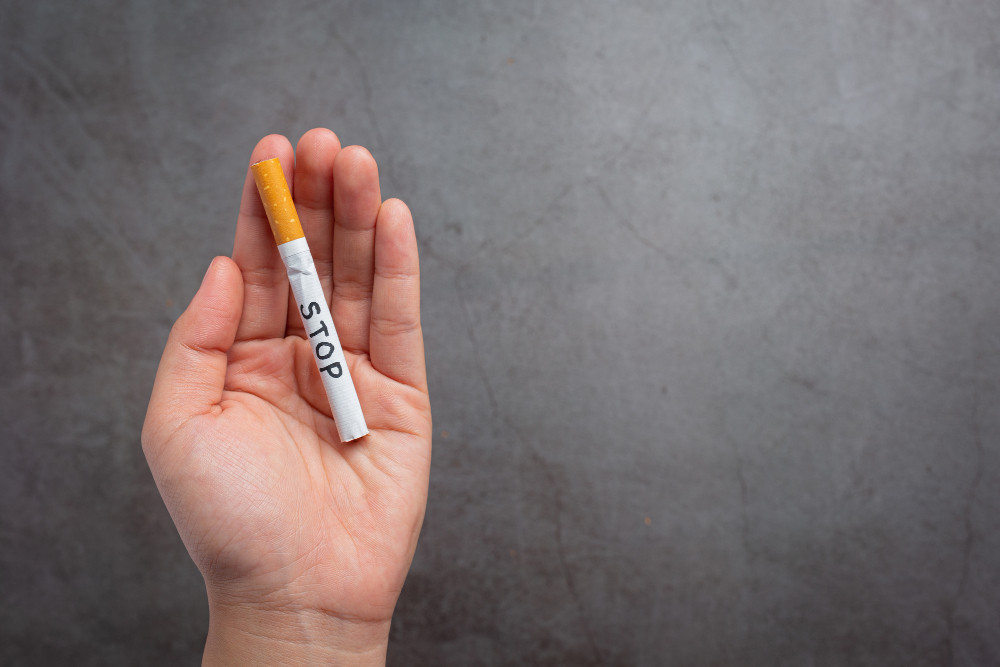

Deciding to stop smoking is a major step toward a healthier life. Still, the journey isn’t always smooth. Many people experience discomfort after quitting, including dizziness, restlessness, difficulty sleeping, persistent coughing, or mood changes.
These symptoms may cause some to second-guess their decision to quit. But these reactions are actually the body’s natural response to adjusting after no longer receiving nicotine and other harmful chemicals that were regularly inhaled through cigarette smoke.
Why Do You Feel Sick After Quitting Smoking?
Cigarettes contain over 7,000 chemical substances, including nicotine—an addictive compound that influences the central nervous system. Nicotine gives temporary effects such as improved focus, a sense of calm, and reduced hunger.
Once you stop smoking, your body must readjust to functioning without nicotine. This stage of adaptation often results in what's known as nicotine withdrawal, a process that can bring on both physical and emotional discomfort.
Common Reactions After Stopping Smoking
When you stop smoking, it's common to experience a range of symptoms, such as:
Headaches
Headaches frequently appear in the first few days of quitting. This is due to changes in blood circulation and the nervous system as the body adjusts to the absence of nicotine.
Mood Swings
Nicotine stimulates dopamine release—a brain chemical linked to feelings of happiness and reward. When nicotine is removed, dopamine levels may drop, leading to mood swings such as irritability, anxiety, or sadness. Some people may even feel slightly depressed during this period.
Difficulty Sleeping
Sleep disruptions are also common when trying to quit. Since nicotine previously acted as a stimulant that helped keep the body alert, its absence may throw off your sleep cycle. This can lead to trouble falling asleep or poor sleep quality.
Coughing and Shortness of Breath
Once you quit, your lungs start the process of clearing out mucus and harmful substances built up over time. This healing phase is often marked by a recurring cough, which can be dry or contain mucus. Coughing is a positive sign that your lungs are working to repair themselves.
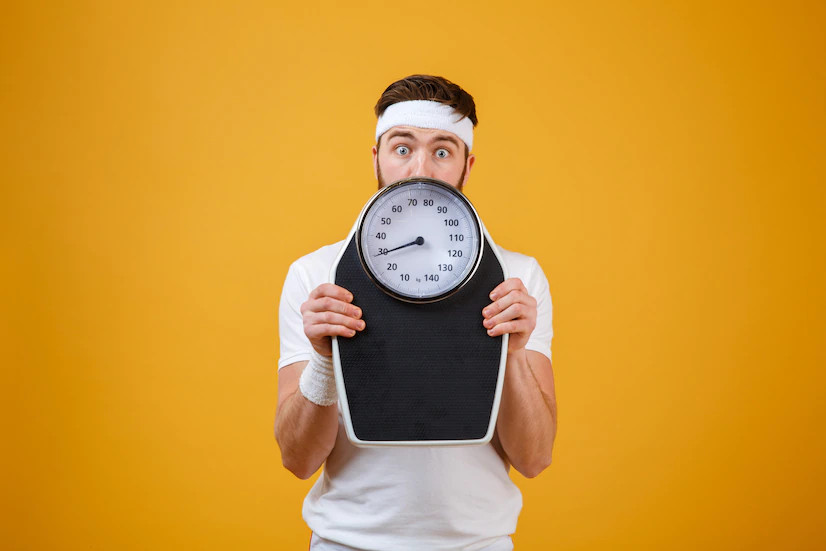
Increased Appetite and Weight Gain
As nicotine leaves the body, appetite tends to rise. This is because nicotine naturally suppressed hunger and sped up the metabolism. Without it, many people notice they feel hungry more often, which can lead to gaining weight.
Fatigue and Low Energy
People who are used to the stimulating effects of nicotine may feel unusually tired or low on energy after quitting. This sensation is part of the body’s transition and is usually short-term.
These symptoms are entirely normal and typically improve within two to four weeks. With time, your body will continue to recover, and both physical and emotional discomfort will gradually fade away.
That said, if your symptoms become too intense or interfere with daily life, it’s important to seek help from a healthcare provider. You can also consult a professional using the Ai Care app, available on the App Store and Play Store.
Looking for more information about other diseases? Click here!
- dr Hanifa Rahma
Traci Pedersen (2024). Why You May Feel Worse Several Months After Quitting Smoking. Available from: https://www.healthline.com/health/smoking/why-you-may-feel-worse-several-months-after-quitting-smoking
Better Health Channel. What to expect when you quit smoking. Available from: https://www.betterhealth.vic.gov.au/health/healthyliving/What-to-expect-when-you-quit-smoking
CDC (2024). 7 Common Withdrawal Symptoms. Available from: https://www.cdc.gov/tobacco/campaign/tips/quit-smoking/7-common-withdrawal-symptoms/index.html
Kelly Burch (2024). What is Smoker's Flu? Symptoms and Causes. Available from: https://www.verywellhealth.com/smokers-flu-5179980
Cleveland Clinic (2024). Nicotine Withdrawal. Available from: https://my.clevelandclinic.org/health/diseases/21587-nicotine-withdrawal