
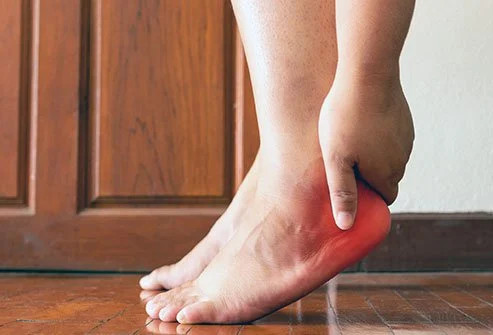
Falls or sports-related injuries should be taken seriously, especially if you cannot move the joint at all or the pain is severe, since this may indicate a fracture or a dislocation. If you can still move the joint and the pain is manageable, a sprain is more likely what you currently have. Sprains often will heal on their own in time, but they can still interfere with your daily activities.
Symptoms of Joint Injury
1. Redness
The injured joint may look redder than the surrounding skin due to inflammation that widens nearby blood vessels. The redness can appear right after the injury and usually fades within a few days, even if the injury has not fully healed.
2. Pain
Pain is the most common symptom in sprain that can limit patient's activity and results from tissue damage around the joint. It often lingers quite long, will worsen with movement of the jointe, and improves with rest.
3. Swelling
Swelling in the injured area is another frequently found symptom. Swelling occurs when fluid builds up in the injured joint because of inflammation. Swelling usually settles within a few days. If it still persists, consider other possibilities that can cause swelling, such as a fracture or a dislocated joint.
4. Warmth in the Joint
You may notice a warm sensation when you touch the injured joint. Warmth also reflects inflammation in the joint. This symptom is not specific to sprain, but if warmth occurs together with fever, you should consider other possibilities and seek medical advice to doctors.
5. Decreased Joint Function
Pain and swelling can reduce how well the jinjured oint works. Recovery time of the injured joint varies with the severity of the injury. Generally, with sufficient rest and treatments, joint function will typically improve on its own.
Sprains and other joint injuries often resolve without special procedures, but because these conditions can still cause limitations in doing daily activities, early home care helps to relieve symptoms. First aid measures you can try include:
1. Rest the injured joint
Rest the area for 24–48 hours to prevent further damage to the injured joint and reduce excessive pain. Overusing the injured joint can worsen tissue injury and slow the healing process.
2. Apply a cold compress to the injured area
Cold helps by reducing inflammation in the tissues. Apply a cold compress for about 15–20 minutes every 4 hours to ease pain and swelling.
3. Bandage the injured area
Compression can help to keep the swelling only in the injured area and not spread. Use an elastic bandage and avoid wrapping the injured area too tightly so blood flow is not restricted.
4. Elevate the injured area above the heart
Keeping the injured area raised above heart level can lessen pain and swelling. For example, if you sprain an ankle, place a pillow under your foot. Do this as often as possible.
Some first aid plans may include pain relievers and anti-inflammatory medications. Ask a doctor about appropriate options. If you have tried first aid but the injury does not improve or gets worse, see a doctor for an examination and proper treatment.
Looking for more information about other diseases? Click here!
- dr Hanifa Rahma
Mary K. Mulcahey, MD, FAAOS. 2020. Sprains, Strains, and Other Soft Tissue Injuries. Available from : Sprains, Strains and Other Soft-Tissue Injuries - OrthoInfo - AAOS
MayoClinic. 2020. Sprains. Available from : Sprains - Symptoms and causes - Mayo Clinic