Buying bottled water is a practical way to stay hydrated, especially when you are travelling. After finishing it, you might feel it is a waste to throw the bottle away and decide to refill it. However, reusing plastic drinking bottles carries several health risks that are important to understand.
How Plastic Water Bottles Are Made
Plastic is produced from hydrocarbons that come from crude oil or natural gas. When these hydrocarbons are heated at very high temperatures, the long chains break into smaller units called monomers.
These monomers are then merged together to form larger molecule chains known as polymers. The resulting polymers can be processed into powders, flakes, or liquids that become the base material for many different plastic products.
In general, polymers are divided into two main groups: thermosets and thermoplastics. Thermoset plastics form permanent chemical bonds once they are moulded, so their shape cannot be changed again. Because they cannot be remelted or reshaped, thermoset plastics are not recyclable.
Thermoplastics behave differently. They can be melted, reshaped, and recycled into new products. Common examples of thermoplastics include polypropylene (PP), polyethylene (PE), polyvinyl chloride (PVC), polystyrene, polyethylene terephthalate (PET), and polycarbonate. Most bottled drinking water containers are made from these thermoplastic materials.
Health Risks of Reusing Plastic Bottles
According to Everyday Health, using the same plastic drinking bottle repeatedly can pose a number of health risks, including:
Easy Accumulation of Bacteria
Reused plastic bottles can quickly become a breeding ground for bacteria to grow. Within just two days, a used bottle may contain bacteria from your mouth or germs transferred from your hands each time you touch or open the cap. Over time, these microorganisms can form a biofilm, a thin layer that helps them attach to the surface and multiply more easily.
One study comparing bacterial levels in 15 stainless steel bottles and 15 PET plastic bottles found that plastic bottles had significantly more bacteria. In fact, many of the plastic bottles were found to contain more bacteria than a toilet seat.
Increased Chemical Contamination
Every time a plastic water bottle is reused, the amount of harmful chemicals that can leach into the water may increase. Research suggests that PET plastic bottles can slowly release certain substances over time, including bisphenol A (BPA), which is considered a carcinogen, as well as other similar compounds.
Safer Ways to Use Plastic Drinking Bottles
To minimize the health risks associated with reusing plastic drinking bottles, you can follow these tips:
-
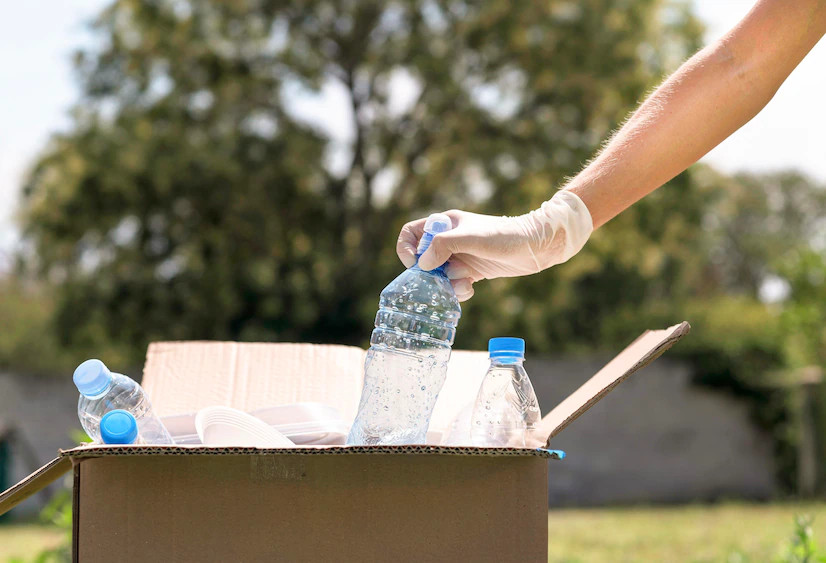
Avoid using disposable plastic bottles for more than 48 hours. After that, throw them away in a recycling bin.
-
Switch to reusable bottles made from glass, aluminium, or stainless steel, which are safer for repeated long-term use.
-
Wash reusable bottles properly with soap or baking soda and water to remove leftover residue and bacteria.
-
Use a charcoal filter if needed to help reduce certain contaminants in drinking water.
-
Do not expose plastic bottles to heat, as high temperatures can speed up the release of harmful chemicals into the water.
Many people assume that refilling disposable plastic bottles is a safe and environmentally friendly habit. In reality, this practice can risk your health.
If you have questions about maintaining a healthy lifestyle, you can consult a doctor or use the consultation feature on the Ai Care app, which can be downloaded from the App Store or Play Store.
Looking for more information about health tips and tricks, first aid, and other home remedies? Click here!
- dr Hanifa Rahma
Triffin, M. (2025). How Harmful Is It to Reuse a Plastic Water Bottle?. Available from: https://www.everydayhealth.com/healthy-living/reusing-plastic-water-bottles-effects/
King, L. (2024). Is It Safe to Reuse Plastic Water Bottles?. Available from: https://www.webmd.com/a-to-z-guides/is-it-safe-to-reuse-plastic-water-bottles
Hui-Anderson. (2024). Bottled Water Is Full of Tiny Plastics. Here's How to Make It Safer for Drinking. Available from: https://www.verywellhealth.com/bottled-water-contains-plastic-particles-8546698