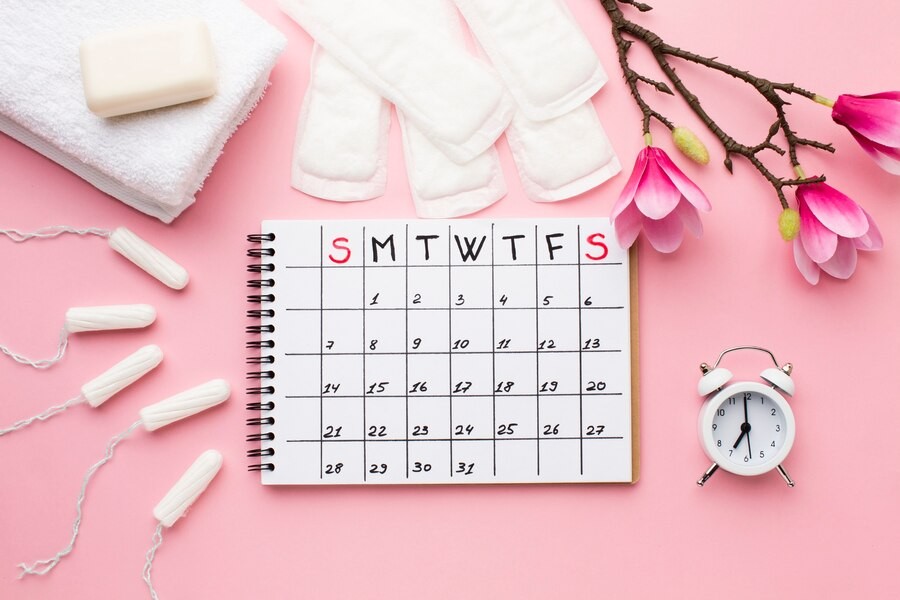
Menopause is the stage when a woman has no menstrual periods for 12 consecutive months. It is a natural part of aging and marks the end of the reproductive years. Menopause usually occurs between 45 and 55 years old, although some women may experience it earlier.
This article explains what premature menopause is, the possible causes, and lifestyle steps that may help reduce the risk of premature menopause.
What Is Premature Menopause?
Premature menopause occurs when a woman experiences menopause earlier than usual, that is before the age of 45. In general, menopause usually occurs in women at the age of 50. A woman is considered to have premature menopause if she has not had a menstrual period for 12 consecutive months before turning 45.
Signs and symptoms of premature menopause can include:
-
Irregular menstrual cycles
-
Hot flashes and night sweats
-
Vaginal dryness
-
Trouble sleeping
-
Mood swings
-
Reduced sex drive
-
Problems with memory or concentration
Causes of Premature Menopause
Premature menopause can arise from several different factors. In many women, the exact cause is unknown, and this is actually the most common situation. However, certain conditions or triggers can lead to premature menopause, especially when they damage the ovaries or stop estrogen production.
Some possible causes of premature menopause include:
-
Exposure to chemotherapy or radiation treatments used in cancer
-
Surgical removal of the ovaries
-
Surgical removal of the uterus (hysterectomy)
-
Familial history of premature menopause
-
First period before 11 years old
-
Chromosomal abnormalities
-
Autoimmune disorders
-
Smoking habits
-
HIV or AIDS
-
Certain infections, such as mumps
Healthy Habits to Help Prevent Premature Menopause
Many causes of premature menopause are outside your control, for example chemotherapy exposure, genetic factors, or medical conditions that require a hysterectomy. Even so, you can still lower your risk by adopting healthy daily habits, such as the following.
Quit Smoking
Cigarettes contain many toxic chemicals that interfere with hormone production, one of which is nicotine. This disruption can cause menopause to occur earlier. The effect is seen not only in active smokers but also in people who are regularly exposed to second-hand smoke. The more cigarettes smoked and the longer the daily smoking becomes a habit, the higher the risk of premature menopause.
Routine Exercise
Physical activity is important for your health and can help manage various menopausal symptoms. Regular exercise supports weight control, reduces fatigue, improves mood, improves sleep quality, increases insulin sensitivity, and lowers the risk of cardiovascular disease and loss of bone density.
Adult women are advised to do around 150 minutes of moderate-intensity exercise per week, or about 75 minutes of vigorous-intensity exercise per week.
Healthy Diet
A balanced diet is also essential for maintaining YOUR overall health. Recommended healthy foods include:
-
Fruits and vegetables
-
Whole grains
-
Protein sources such as fish, eggs, nuts, and lean meats
-
Calcium and vitamin D to support bone health
-
Omega-3 fatty acids from oily fish, chia seeds, or flaxseeds
-
Phytoestrogens found in soybeans, tempeh, tofu, and flaxseeds
Regular Health Check-ups
Routine health checkups can help detect non-communicable diseases such as diabetes, high blood pressure, uterine disorders, or cancer, all of which may increase the risk of premature menopause.
Early detection allows treatment to begin sooner, which improves the chances of successful management.
If you notice symptoms that suggest premature menopause or feel worried about this condition, talk to a doctor or use the consultation feature on the Ai Care app, which can be downloaded from the App Store and Play Store.
Looking for more information about other diseases? Click here!
- dr Hanifa Rahma
Cleveland Clinic. Premature and Early Menopause. Available from: https://my.clevelandclinic.org/health/diseases/21138-premature-and-early-menopause
NHS. Early or Premature Menopause. Available from: https://www.nhs.uk/conditions/early-or-premature-menopause/
John Hopkins Medicine. Stayng Healthy After Menopause. Available from: https://www.hopkinsmedicine.org/health/conditions-and-diseases/staying-healthy-after-menopause#