
Collagen is essential for maintaining healthy, elastic, and firm skin. While the body naturally produces collagen, its production decreases as we age.
As collagen production slows down, it can lead to visible signs of aging, such as wrinkles, sagging skin, and uneven texture. Besides aging, factors like UV exposure, pollution, stress, and unhealthy lifestyle choices can accelerate skin aging and damage existing collagen.
How to Boost Collagen Production for Healthier Skin
Fortunately, there are numerous natural and effective methods to stimulate collagen production. Here are some recommended methods you can do:
Including collagen-rich foods into your diet
One natural way to promote collagen production is by maintaining a healthy diet. Certain foods provide the key nutrients that the body needs to produce collagen. These include bone broth, seafood, vitamin-packed fruits and vegetables, eggs, lean meats, and nuts and seeds.
Using skincare products with collagen-stimulating ingredients
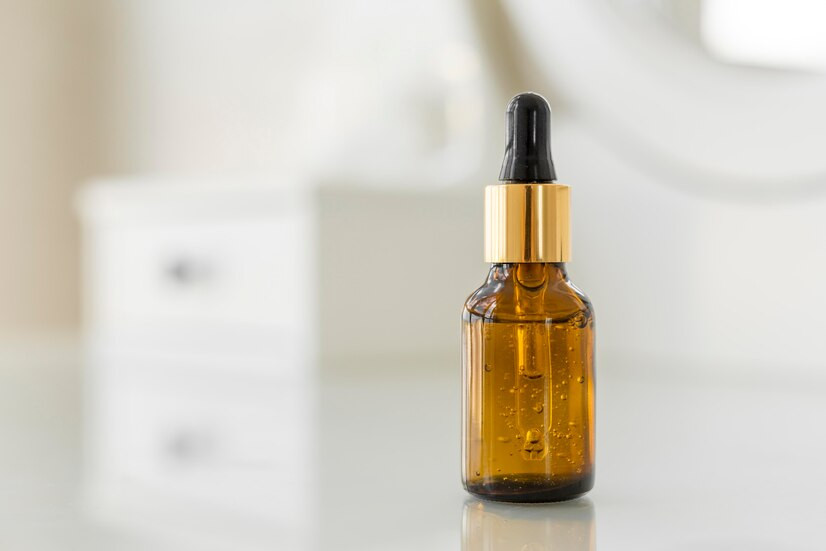
Some skincare products contain active ingredients that can enhance collagen production or protect the skin’s natural collagen from damage. A common ingredient is hyaluronic acid, which, although it does not directly stimulate collagen production, helps keep the skin hydrated. This makes the skin look firmer and more supple.
Another ingredient known for stimulating collagen is retinol. Retinol promotes faster skin cell turnover, reduces wrinkles, and improves overall skin texture. It is best used in the evening, and sunscreen should always be applied during the day, as retinol increases skin sensitivity to the sun.
Protecting skin from harmful UV rays
UV rays are a major contributor to collagen damage. Prolonged exposure to UV rays can speed up the aging process of the skin, leading to issues such as dark spots, wrinkles, and sagging.
To preserve natural collagen, it is important to apply sunscreen daily with at least SPF 30. This should be done even on overcast days or indoors, as UV rays can still affect the skin.
Avoiding habits that can damage collagen
Certain lifestyle habits can accelerate collagen breakdown, such as:
-
Smoking.
-
Excessive sugar consumption.
-
Lack of sleep.
For those who struggle to meet their nutritional needs through food alone, collagen supplements can be a helpful alternative. They are available as powder or capsules.
These supplements are shown to improve skin moisture, elasticity, and overall density in several studies. To get the best results, it’s recommended to combine collagen supplements with vitamin C, which plays a vital role in collagen production.
Taking collagen supplements is a great way to boost collagen production in the body. However, if you're unsure about the appropriate dosage, it is always a good idea to consult with a healthcare professional before starting.
Additionally, the Ai Care app offers a health consultation feature that can guide you on how to meet your skin health goals. It’s available for download on the App Store and Play Store.
Looking for more information about health tips and tricks, first aid, and other home remedies? Click here!
- dr Hanifa Rahma
Jillian Kubala, MS, RD (2025). What Is Collagen, and What Is It Good For?. Available from: https://www.healthline.com/nutrition/collagen
Jon Johnson (2023). Ways to smooth the skin by boosting collagen levels. Available from: https://www.medicalnewstoday.com/articles/317151
Kathryn Watson (2024). How to Increase Collagen Production. Available from: https://www.healthline.com/health/ways-to-boost-collagen
Cleveland Clinic (2022). Collagen. Available from: https://my.clevelandclinic.org/health/articles/23089-collagen