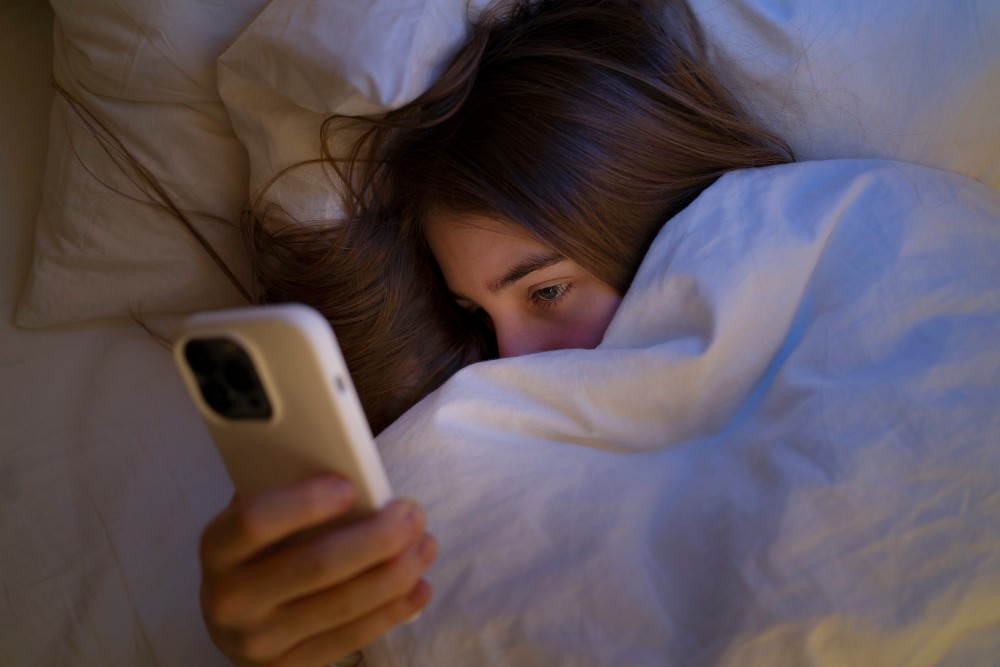
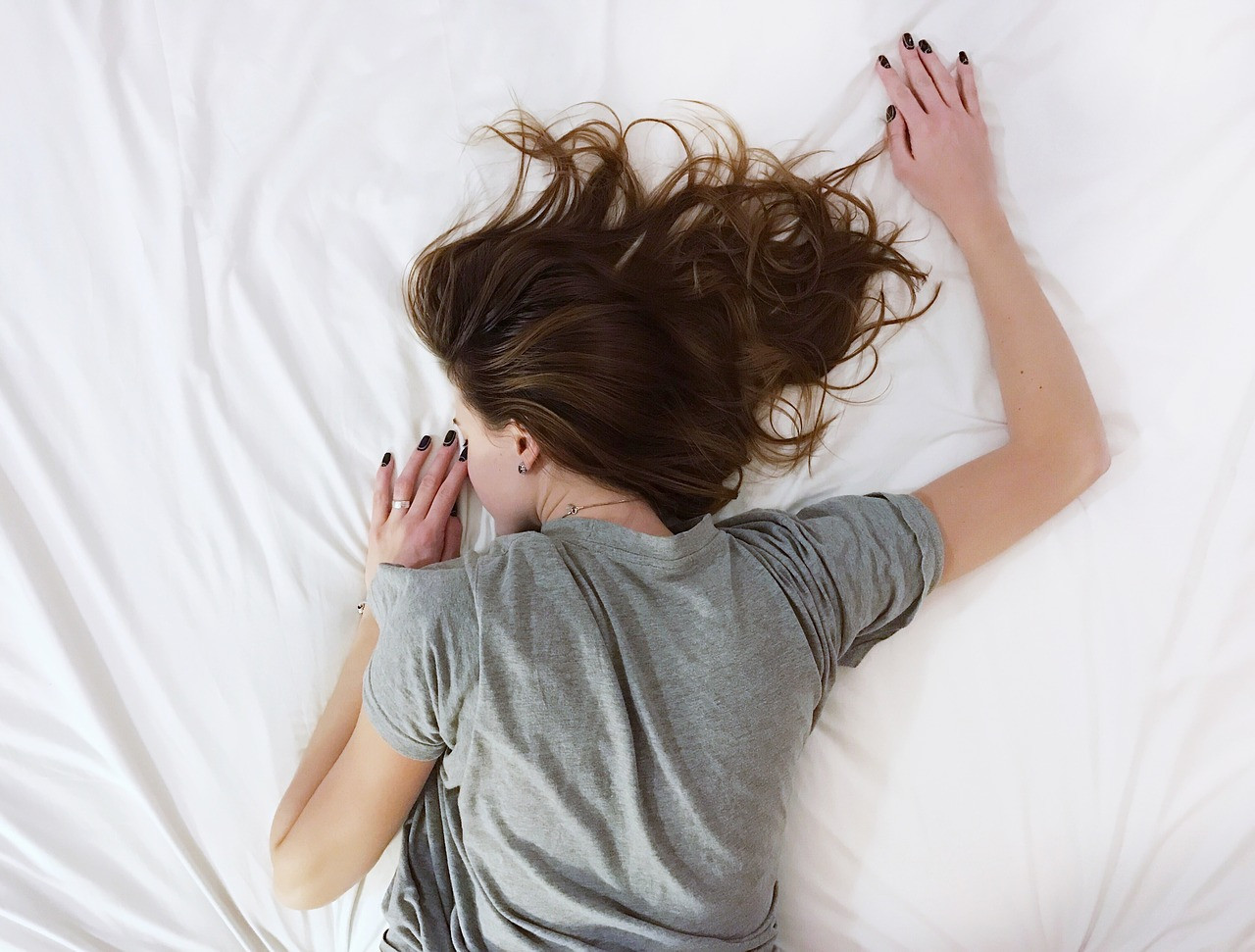
A packed schedule can often lead to a lack of sleep, leaving you feeling drained and sluggish. Many people believe that if you don’t get enough sleep at night, you can recover by sleeping longer the next day. But is that really the case?
Can You Make Up for Lost Sleep?
Experts say that sleep is a vital process that allows the body and mind to recover. While you sleep, the brain organizes memories, helps you process information, and prepares you for the next day. Additionally, sleep plays a role in relaxing your muscles, supporting detox processes in the body, and helping the immune system produce important defense cells.
Because of this, catching up on lost sleep doesn’t offer the same benefits as sleeping well on a consistent basis. The effects of sleeping extra hours later are not equal to getting enough sleep regularly. In fact, research shows that recovering from just one hour of missed sleep can take up to four days.
The Right Way to Make Up for Lost Sleep
Many people see sleep deprivation as harmless. However, studies have revealed that sleeping less than six hours a day increases the risk of early death by up to 65%. Short sleep duration is also linked to health problems like obesity, heart disease, and diabetes. In the short term, sleep loss can reduce your ability to think clearly and focus.
Thinking that you can simply sleep all day to erase lost sleep isn’t entirely accurate. According to experts, doing so may actually raise your risk of insulin resistance and even type 2 diabetes.
To properly catch up on sleep, you need to increase your sleeping hours gradually. Don’t try to make up all the lost sleep in one go. A safer approach is to extend your sleep by one or two hours each day until your sleep debt is repaid.
For instance, if you’ve missed six hours of sleep, you can recover by adding one extra hour of sleep per night over the course of six days. Here are a few helpful strategies you can try:
-
If needed, take a 20-minute nap in the afternoon or early evening
-
On weekends, sleep in—but limit the extra sleep to no more than two hours
-
Get more sleep over one or two consecutive nights
-
Head to bed earlier the following night
These tips can be effective for gradually catching up on missed sleep. However, if your lack of sleep is caused by long-term sleep issues, these methods may not be enough. In that case, the solution lies in improving your overall sleep habits. Some suggestions for improving your sleep quality include:
-
Adjust your bedtime gradually to ensure you’re getting the right amount of sleep
-
Try not to wake up more than two hours later than your regular wake-up time, even on weekends
-
Create a sleep-friendly environment: keep your bed and room tidy, and avoid using gadgets near bedtime
-
Stop using electronic devices at least two hours before going to bed
-
Limit caffeine intake, especially in the afternoon and evening
-
Sleep in a dark or dimly lit room
-
Try calming techniques like aromatherapy to relax before bed
-
Avoid intense workouts late at night, as they can boost endorphins and make it harder to fall asleep
Sleep deprivation should not be taken lightly. Chronic lack of sleep can lead to serious health issues. If you continue to struggle with getting enough rest, it’s best to consult a doctor to discuss possible underlying sleep problems and the best course of action.
Looking for more information about health tips and tricks, first aid, and other home remedies? Click here!
- dr Hanifa Rahma
Frank MG, Heller HC. The Function(s) of Sleep. Handb Exp Pharmacol. 2019;253:3-34. doi: 10.1007/164_2018_140. PMID: 31004225.
Itani O, Jike M, Watanabe N, Kaneita Y. Short sleep duration and health outcomes: a systematic review, meta-analysis, and meta-regression. Sleep Med. 2017 Apr;32:246-256. doi: 10.1016/j.sleep.2016.08.006. Epub 2016 Aug 26. PMID: 27743803.
Dutil C, Chaput JP. Inadequate sleep as a contributor to type 2 diabetes in children and adolescents. Nutr Diabetes. 2017 May 8;7(5):e266. doi: 10.1038/nutd.2017.19. PMID: 28481337; PMCID: PMC5518801.
Hershner S, Shaikh I. Healthy Sleep Habits. AASM Sleep Education. https://sleepeducation.org/healthy-sleep/healthy-sleep-habits/