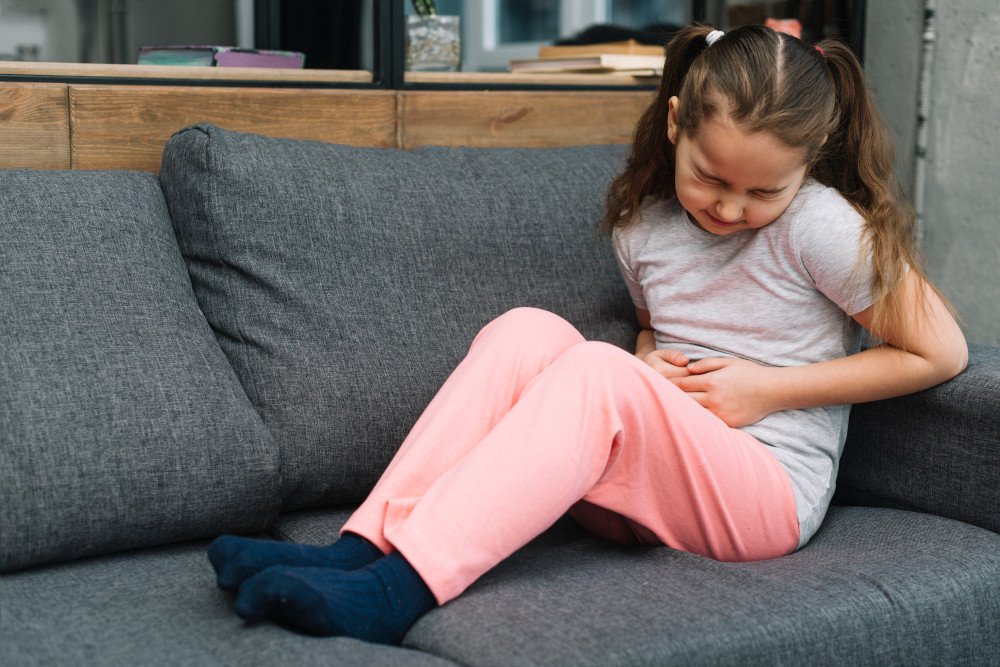
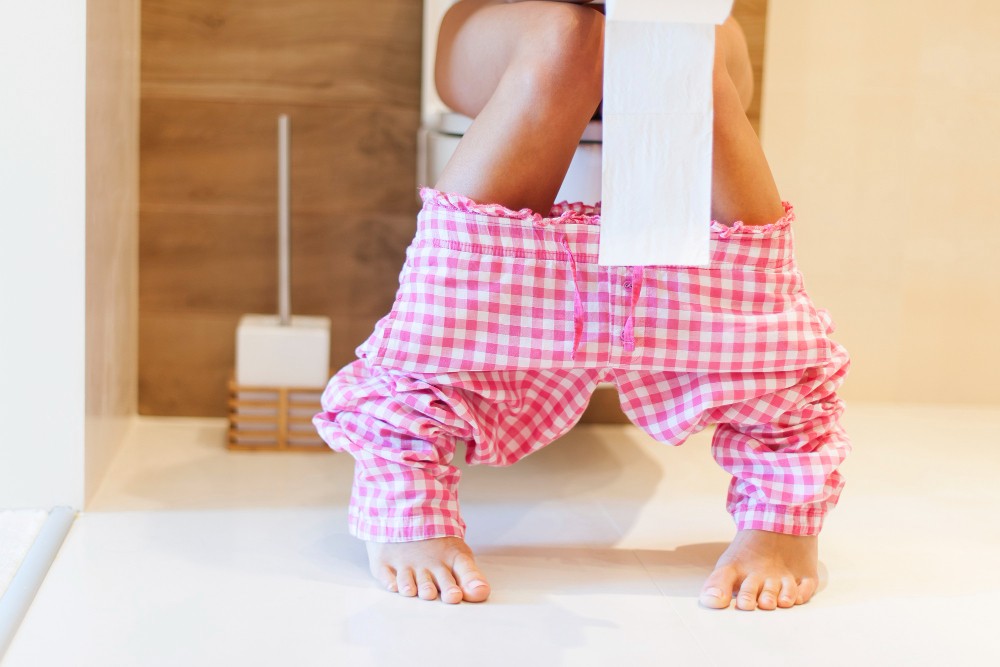
Fecal impaction is a condition in which hardened stool becomes stuck in the rectum, making it difficult or impossible to pass naturally. This condition can be painful and is often seen in older adults due to age-related changes, limited mobility, or the effects of certain medications. The following article outlines what causes fecal impaction, how it’s treated, and how it can be prevented.
What Causes Fecal Impaction?
The digestive system works by breaking down food in the stomach and absorbing nutrients in the small intestine. What remains is passed to the large intestine and ultimately eliminated through the rectum.
If this elimination process is disrupted, stool may accumulate and harden in the colon or rectum. When it becomes too dry and compacted to pass, this is referred to as fecal impaction. The blockage can prevent newer waste from exiting the body, worsening the problem.
Here are several factors that may lead to fecal impaction:
-
Long-term constipation: Chronic constipation, especially if left unmanaged, can lead to dry, impacted stool.
-
Overuse of laxatives: Relying too heavily on laxatives can interfere with the body’s natural ability to defecate, increasing the risk of blockage.
-
Medication side effects: Some medications, such as opioids, can slow digestion and bowel movements, contributing to stool buildup.
-
Inactivity: A sedentary lifestyle may reduce intestinal motility and increase constipation risk.
-
Ignoring the urge to go: Frequently delaying bowel movements can allow stool to harden and collect in the rectum.
Symptoms of Fecal Impaction
A key sign of fecal impaction is ongoing constipation. If the condition progresses, it may cause more severe symptoms. Seek medical help if any of the following signs appear:
-
Watery diarrhea that leaks uncontrollably
-
Stool leakage during laughter, sneezing, or physical strain
-
Pain or cramping in the lower back or abdomen
-
Reduced urination or difficulty feeling the urge to urinate
-
A sensation of fullness or bloating
-
Loss of appetite
-
Elevated heart rate
-
Fever
-
Confusion or mental disorientation
-
Rectal bleeding
How Fecal Impaction Is Treated
Treatment typically involves three main steps:
- Removing the impacted stool
- Flushing out the colon
- Surgical intervention (if complications occur)
The method used depends on the severity and location of the blockage. Common treatment options include:
-
Enema
Introducing liquid into the rectum can soften the stool and encourage it to pass more easily. -
Manual removal
A healthcare provider may use a gloved finger to gently remove stool or apply pressure to the abdomen to help stimulate movement. -
Laxatives
Over-the-counter products may be used to encourage bowel movements and ease the passage of stool.
How to Prevent Fecal Impaction
If untreated, fecal impaction can result in complications such as ulcers, inflammation of the colon, or even life-threatening bowel obstruction. Prevention often starts with managing constipation early. Try these practical tips:
-
Drink plenty of fluids to help soften stool and support healthy digestion.
-
Eat a diet high in fiber, including whole grains, vegetables, and fruits.
-
Limit processed foods that are high in sugar and low in fiber.
-
Stay active through regular physical activity to promote intestinal movement.
If you experience recurring constipation, address it promptly to prevent more serious issues. For further help with digestive concerns, you can consult your doctor or use the Ai Care app, available on the App Store and Play Store.
Looking for more information about other diseases? Click here!
- dr Hanifa Rahma
Cleveland Clinic. Fecal Impaction. Available from: https://my.clevelandclinic.org/health/diseases/23085-fecal-impaction
MedlinePlus. Fecal Impection. Available from: https://medlineplus.gov/ency/article/000230.htm
Key, A. (2024). Fecal Impaction: What Is It and How Is It Treated?. Available from: https://www.webmd.com/digestive-disorders/what-is-fecal-impaction
Kahn, A. (2024). What is Fecal Impaction (Impacted Bowel) and How Is It Treated?. Available from: https://www.healthline.com/health/fecal-impaction