
You might already know the term “blackheads,” yet many people are surprised to learn that they are actually one of the types of acne.
Blackheads belong to acne vulgaris. They appear as open bumps filled with excess oil and dead skin cells that obstruct the pores. When blackheads are seen without tools, the way light reflects on the surface makes these clogged openings look dark on the skin.
Blackheads commonly show up on the nose, chin, neck, back, chest, and sometimes the cheeks. They do not usually cause serious health problems, although the uneven, speckled look can affect confidence.
Causes of Blackheads
Both blackheads and whiteheads stem from inflammation of the oil (sebaceous) glands. This inflammation can be driven by several factors:
- Increased sebum production (oil made by the sebaceous glands)
- Altered keratin formation (the protein that helps build hair, skin, and nails)
- Higher androgen levels
- An imbalance in skin bacteria, which raises bacterial growth and triggers acne
Avoid Doing These to Blackheads
There is a certain appeal in removing blackheads manually. Still, is squeezing the blackheads really the right way to handle them?
Please note this, the methods below are the wrong approach and can make skin inflammation worse.
- Using scrub-based cleansers
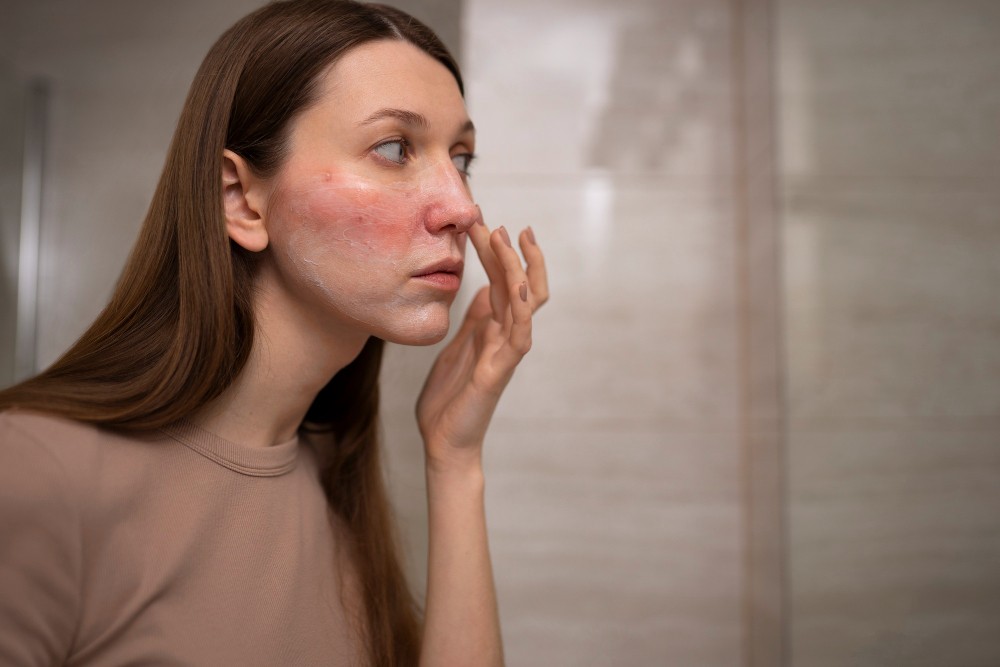
Scrub cleansers are often promoted to clear away dead skin from pores and can feel satisfying right away. In practice, rubbing abrasive granules across the face may cause redness. Harsh particles can also strip the skin’s natural oils and push it to produce more oil.
- Squeezing blackheads
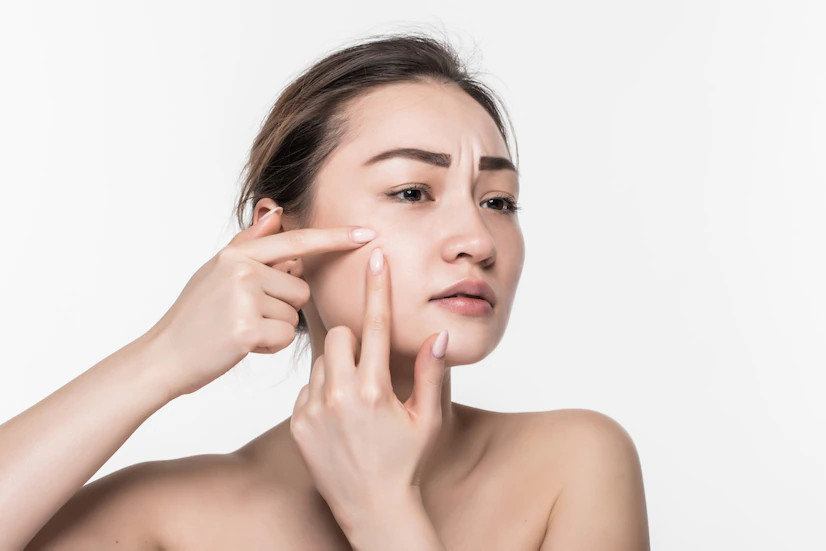
It can feel rewarding to see a plug come out of a pore. However, squeezing can rupture follicles, which can lead to scarring, inflammation, and even cyst formation.
- Using a blackhead vacuum
Devices that claim to suction out excess sebum have become popular. This strong pulling force can harm delicate facial skin and injure small blood vessels, particularly around the nose.
So, how can you remove blackheads properly and help your skin look smooth again?
The Right Way to Manage Blackheads
Several ingredients can help improve blackheads and reduce flare-ups, including:
- Salicylic Acid
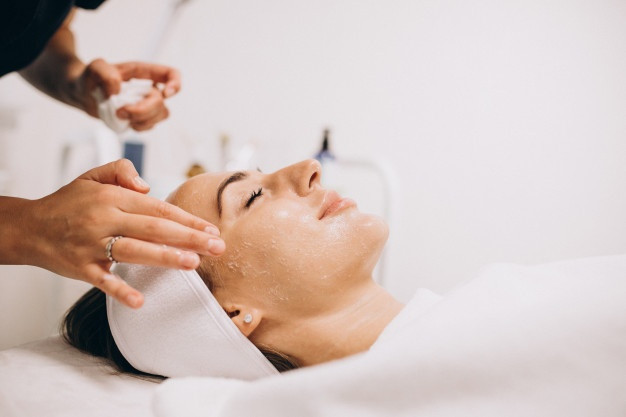
Salicylic acid is a common acne treatment. Applied to the skin, it helps the outer layer shed dead cells more easily and reduces redness and swelling from inflammation. This lowers the number of new blemishes that form and supports quicker healing.
- Retinoids
Stubborn acne or blackheads can respond well to retinoids. These products keep pores clear, which allows other medicated gels and creams to work better. They also limit acne-causing bacteria that provoke inflammation and can reduce the appearance of acne marks.
- Alpha Hydroxy Acids (AHA)
Alpha hydroxy acids are plant- and animal-derived acids used in many skincare items, such as serums, toners, and creams aimed at skin renewal.
Along with easing acne, AHAs help prevent recurrences by loosening and clearing blockages within pores.
You can use products with the ingredients above to prevent blackheads from forming and to clear them without harming the skin. If your skin is sensitive or needs closer attention, consult a dermatologist for prescription options that target blackheads and acne safely.
Looking for more information about health tips and tricks, first aid, and other home remedies? Click here!
- dr Nadia Opmalina
Leah Groth (2021). The Best and Worst Ways to Get Rid of Blackheads. Available from: https://www.everydayhealth.com/smart-skin/the-best-and-worst-ways-to-get-rid-of-blackheads/
Cleveland Clinic (2021). Blackheads. Available from: https://my.clevelandclinic.org/health/diseases/22038-blackheads
Adam Felman (2017). Everything you need to know about blackheads. Available from: https://www.medicalnewstoday.com/articles/71615#treatment_dos_donts
WebMD. Salicylic Acid Gel - Uses, Side Effects, and More. Available from: https://www.webmd.com/drugs/2/drug-18-193/salicylic-acid-topical/salicylic-acid-for-acne-topical/details
Mary Anne Dunkin (2021). Retinoid Treatment and Your Skin. Available from: https://www.webmd.com/beauty/retinoid-gel-and-cream-treatments
Kristeen Cherney (2019). Everything You Need to Know About Using Alpha Hydroxy Acids (AHAs). Available from: https://www.healthline.com/health/beauty-skin-care/alpha-hydroxy-acid