
Definition
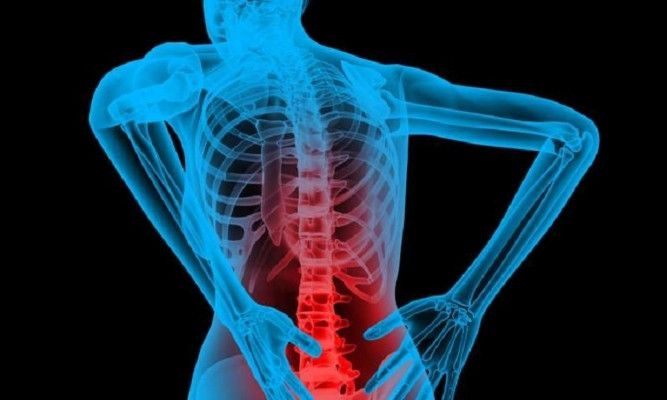
Tuberculosis (TB) is an infectious disease primarily affecting the lungs, but in certain cases, it can spread to other parts of the body, resulting in extrapulmonary TB. Bone TB is a form of extrapulmonary TB caused by the Mycobacterium tuberculosis infection that affects the bones, joints, or spine. It can involve any bone in the body, but the most common manifestation is spinal TB, also known as Pott's disease. Other types include TB arthritis and extraspinal TB osteomyelitis.
Globally, bone TB accounts for approximately 10-35% of extrapulmonary TB cases. In Indonesia, the TB incidence rate reached 316 per 100,000 population in 2018. Although the number of TB cases decreased from 568,987 in 2019 to 351 in 2020, the disease remains a significant health concern.
Causes
All TB infections, including bone TB, are caused by the Mycobacterium tuberculosis bacterium. Pulmonary TB, which primarily affects the lungs, is typically transmitted through the air via droplets from coughing or sneezing.
Bone TB, however, can spread through contact with bodily fluids or pus from an infected person. Once the bacteria enter the body, they travel through the blood vessels or lymphatic system, eventually reaching the bones, spine, or joints.
If the immune system is functioning properly, the body can suppress the TB bacteria, preventing them from causing active infection or symptoms. However, if the immune system is weakened, the bacteria can become active and lead to symptoms of active TB, which can affect the bones and other parts of the body.
Risk Factor
Bone tuberculosis (TB) is a rare form of TB, primarily seen in populations with widespread HIV/AIDS infections. It most commonly affects individuals with compromised immune systems, particularly those living with HIV/AIDS, making them more vulnerable to infections such as bone TB.
In TB-endemic areas, where TB cases are widespread, bone TB is more common among adults who have previously had TB infections, even if they were asymptomatic at the time. In these cases, the infection may reactivate later in life.
The risk of TB reactivation is particularly high for individuals with weakened immune systems, which may be caused by factors such as:
-
Malnutrition
-
Increasing age
-
Worsening kidney disease
Symptoms
Bone TB can be difficult to identify early on, as pain typically does not manifest in the early stages of the disease. Consequently, bone TB is often diagnosed only after significant bone damage has occurred. Symptoms can range from mild to severe and may include:
-
Severe back pain
-
Swelling around the affected bone
-
Inflammation in the back or joints
-
Difficulty moving or walking, especially in children
-
Formation of abscesses (pus pockets)
-
Muscle weakness
-
Stiffness
-
Fever
-
Night sweats, requiring frequent changes of clothing
-
Unexplained weight loss
-
Bone or spinal deformities
-
Decreased nerve function
-
Paralysis of a limb or total paralysis
-
Shortening of bones in children
Diagnosis
The main challenge in diagnosing bone TB lies in the fact that, unlike pulmonary TB, there is usually no evidence of active chest involvement. Diagnosis often depends on a patient’s medical history, previous contact with TB patients, or a history of TB infection.
To confirm the diagnosis, several tests may be recommended by the doctor, including:
- Bacterial Culture
The diagnosis of bone TB is typically confirmed by a microscopic examination and culture of a sample from the patient. The doctor may take a blood or tissue sample to detect the presence of Mycobacterium tuberculosis.
- Molecular Rapid Test
This test is used to identify M. tuberculosis infection and to check for drug resistance to antituberculosis medications such as rifampin.
- Biopsy Test
A biopsy of bone tissue may be taken for further examination under a microscope to determine if the tissue is infected with TB.
- Immunology Test
In this test, blood or body fluids are analyzed to check for antibodies against TB. In some cases, an HIV test may also be recommended.
- Imaging Test
The doctor may order a chest X-ray to examine your lungs. If deformities are present, a CT scan may be recommended. If nerve function is impaired, an MRI could be performed to assess soft tissue around the bones.
In some regions where available, CT guidance is used to improve diagnostic accuracy.
In addition, there are tests for latent TB:
- Mantoux test, where a substance is injected into the skin to check for a reaction, indicating latent TB infection.
- Interferon-gamma release account (IGRA), this test measures the levels of interferon-gamma released into the blood after being stimulated by proteins from M. tuberculosis. It helps determine if the person has been exposed to TB.
Management
Bone tuberculosis (TB) requires long-term and consistent treatment, as missing even one dose can undermine progress. Both patients and healthcare providers must stay committed to ensuring successful treatment outcomes and prevent the development of drug-resistant strains of Mycobacterium tuberculosis. Treatment should be carefully monitored to achieve full recovery. The treatment for bone TB typically involves:
- Anti-tuberculosis Drugs
Several anti-tuberculosis medications are used to treat bone TB, including rifampin, streptomycin, kanamycin, isoniazid, protease inhibitors, cycloserine, and pyrazinamide. These drugs are aimed at killing the TB bacteria and preventing the spread of the infection.
The optimal treatment duration for bone TB is still uncertain, but most patients on first-line therapy typically require 6 to 9 months of treatment. Patients with advanced bone TB or those with potential drug resistance may need a longer treatment period, ranging from 9 to 12 months.
- Corticosteroids
Corticosteroids are anti-inflammatory medications used to reduce inflammation around the affected bones. They can help prevent complications such as swelling and tissue damage around the infection site.
- Surgery
In some cases, surgery may be necessary. Surgical interventions are usually required if the patient has a spinal disorder with nerve damage or changes in spine shape. Surgery may also be necessary if pus pockets form in the chest wall or in areas where the infection has caused significant tissue damage.
Complications
If bone TB is left untreated or the treatment is not followed thoroughly, it can lead to several serious complications, including:
-
Bone damage
-
Nerve involvement
-
Spinal deformity
-
Sepsis, which is the body’s severe response to a widespread infection that can cause organ failure and even death.
Prevention
To prevent bone TB infection, the following precautions should be taken:
- Limit exposure to individuals diagnosed with TB, to reduce the risk of infection.
- When coughing, cover your mouth with a mask or the crease of your elbow. Do not expel phlegm indiscriminately to avoid contaminating others.
- Keep living spaces well-ventilated.
- Wear a mask when you are outdoors or in crowded places.
- If diagnosed with TB, it’s essential to complete the full course of treatment. Incomplete treatment can cause the bacteria to become resistant to medications, leading to more severe and difficult-to-treat infections.
When to See a Doctor?
If you experience symptoms associated with pulmonary TB or bone TB (such as persistent back pain, fever, weight loss, or night sweats), see a doctor immediately for appropriate diagnosis and treatment.
Looking for more information about other diseases? Click here!
- dr Hanifa Rahma
Stout, J. (2022). Bone and joint tuberculosis. Uptodate. Available at: https://www.uptodate.com/contents/bone-and-joint-tuberculosis/.
WebMD Editorial Contributors (2021). What is Skeletal Tuberculosis. WebMD. Available at: https://www.webmd.com/lung/what-is-skeletal-tuberculosis.
Snyder, A. (2018). Bone Tuberculosis. Healthline. Available at: https://www.healthline.com/health/bone-tuberculosis#.