
Definition
Quantitative HBV DNA testing measures the quantity of hepatitis B virus DNA present in a patient's blood. DNA is the genetic material of the virus and plays a crucial role in its reproduction and functioning. The higher the amount of viral DNA detected, the greater the number of viruses present in the body.
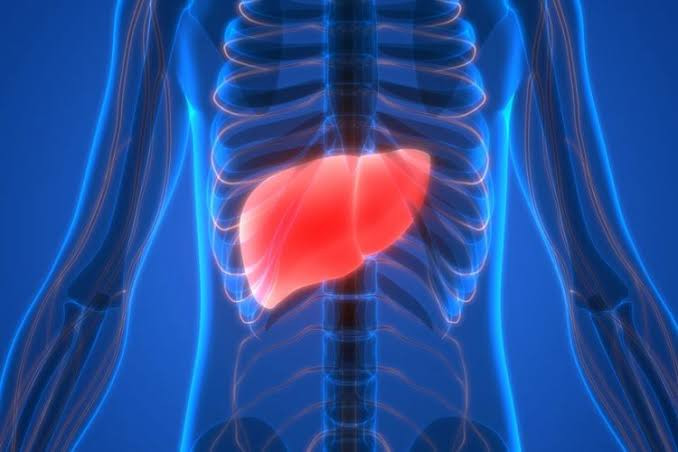
Hepatitis is an inflammatory condition of the liver that can be caused by various factors, one of which is viral infection. Among the different types of hepatitis, hepatitis B is caused by the hepatitis B virus (HBV). This infection can result in either acute (short-term) or chronic (long-term) conditions.
An acute hepatitis B infection lasts for less than six months. If the body is unable to clear the virus within that time frame, the infection can transition into a chronic state. Untreated chronic hepatitis B can lead to severe liver damage and even cancer. To assess the status of the infection, doctors conduct several blood tests, one of which may be the quantitative HBV DNA test, also known as a viral load test.
The quantitative HBV DNA test uses a precise and advanced PCR (polymerase chain reaction) method. This test offers vital insights into the patient's infection status. However, to interpret the results accurately, they need to be considered alongside other tests related to liver inflammation. The viral load in hepatitis B patients fluctuates based on the phase of the infection, making this test essential for ongoing monitoring. The results are usually measured in international units per milliliter (IU/mL) or copies per milliliter (cp/mL).
Indication
Quantitative HBV DNA testing is generally indicated for patients showing signs and symptoms of hepatitis, whether in acute or chronic forms. It may also be used in individuals without symptoms but who are suspected of being exposed to the hepatitis B virus.
The first test typically used to screen for or diagnose hepatitis B is the HBsAg (hepatitis B surface antigen) test. If the results are positive, additional tests, such as the quantitative HBV DNA test, may be carried out to determine the patient's infection status.
For chronic hepatitis B patients, the quantitative HBV DNA test is essential not only to assess the infection status but also to monitor treatment progress. In newly diagnosed patients, the test is conducted every three months until the virus is undetectable in two consecutive tests. After that, the test is performed every six months. Regular testing helps to evaluate the effectiveness of antiviral treatments, which aim to damage the viral DNA, inhibit virus replication, and reduce the virus levels in the blood.
Pregnant women are also screened for hepatitis B. If a pregnant woman’s quantitative HBV DNA exceeds 200,000 IU/mL, antiviral therapy is recommended during the third trimester to lower the risk of transmitting the virus to the baby.
Contraindication
Quantitative HBV DNA testing is generally safe and involves minimal risks and side effects. Blood collection may cause some pain and bruising at the site of the needle insertion, but there are no specific contraindications for this test.
Preparation Before the Test
No special preparation is required before undergoing a quantitative HBV DNA test. However, the doctor may inquire about any symptoms you are experiencing, your medical history, and any ongoing treatments to ensure the most accurate results.
Test Procedure
The quantitative HBV DNA test involves taking a blood sample from a vein in the hand or arm. The area from which blood will be drawn is cleaned with an antiseptic. A tourniquet is then placed around the upper arm to make the veins more visible. A sterile needle is inserted into the vein to collect the sample. Once the sample is obtained, the tourniquet is removed, and the needle is withdrawn.
Normal and Abnormal Values
The amount of hepatitis B virus present in the body can vary depending on the stage of infection.
- Immunotolerance Phase
During this phase, the hepatitis B virus replicates rapidly, resulting in extremely high levels of the virus in the blood. Viral levels can reach millions or even billions of IU/mL, but without causing significant liver damage. Once the immune system starts producing antibodies against the virus, the viral levels begin to decrease.
- Immunoactive Phase
This phase is marked by fluctuating levels of the hepatitis B virus, typically greater than or equal to 20,000 IU/mL.
- Inactive Carrier Status
Many individuals with hepatitis B remain inactive carriers of the virus, with viral levels lower than 2,000 IU/mL or undetectable.
- Reactivation Phase
In this phase, the hepatitis B virus becomes reactivated, leading to elevated liver enzymes and viral levels exceeding 2,000 IU/mL.
For this test, the results are considered normal if no hepatitis B virus is detected. If the virus is detected, the results are deemed abnormal.
Results and Recommendations (Follow-up Tests)
A normal test result indicates that no hepatitis B virus is present, suggesting that the infection may have been cleared by the immune system or resolved through treatment. If the test detects the presence of hepatitis B virus in the blood, the results are considered abnormal. However, a quantitative HBV DNA test alone cannot diagnose hepatitis B or determine the status of the infection. The doctor will interpret the test results based on your symptoms and other diagnostic tests.
Consult the Right Doctor
It is important to remember that while the quantitative HBV DNA test provides valuable information, the results should always be considered alongside other test findings. For a comprehensive evaluation, consult with a specialist in internal medicine with a focus on gastroenterology and hepatology.
Looking for more information about laboratory, radiology, and other examination results? Click here!
- dr Hanifa Rahma
Hepatitis B Foundation: Additional Hepatitis B Blood Tests. (n.d.). Retrieved from: https://www.hepb.org/prevention-and-diagnosis/diagnosis/other-tests/.
UpToDate. (n.d.). Retrieved February 11, 2023, from https://www.uptodate.com/contents/hepatitis-b-virus-overview-of-management.
U.S. National Library of Medicine. (n.d..). Venipuncture: Medlineplus medical encyclopedia. MedlinePlus. Retrieved February 11, 2023, from https://medlineplus.gov/ency/article/003423.htm.