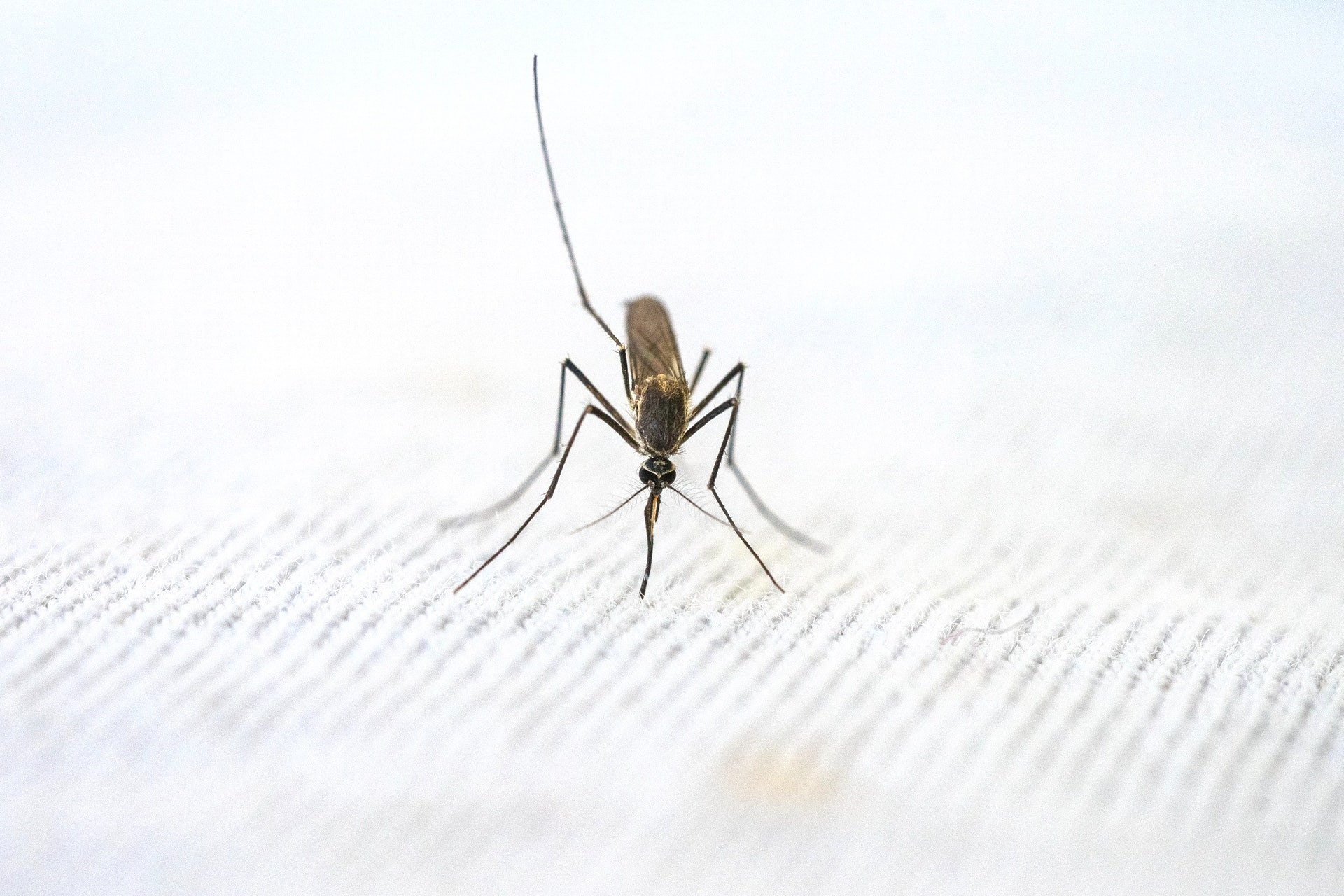
Malaria is an infectious disease caused by parasites and spread through mosquito bites. In Indonesia, malaria cases declined from 2010-2020, but in several sub-Saharan African countries such as Ghana, Kenya, and Malawi, case numbers remain high, with most deaths occurring in children under five. For that reason, malaria prevention is still essential in places where the disease persists.
What Is Malaria?
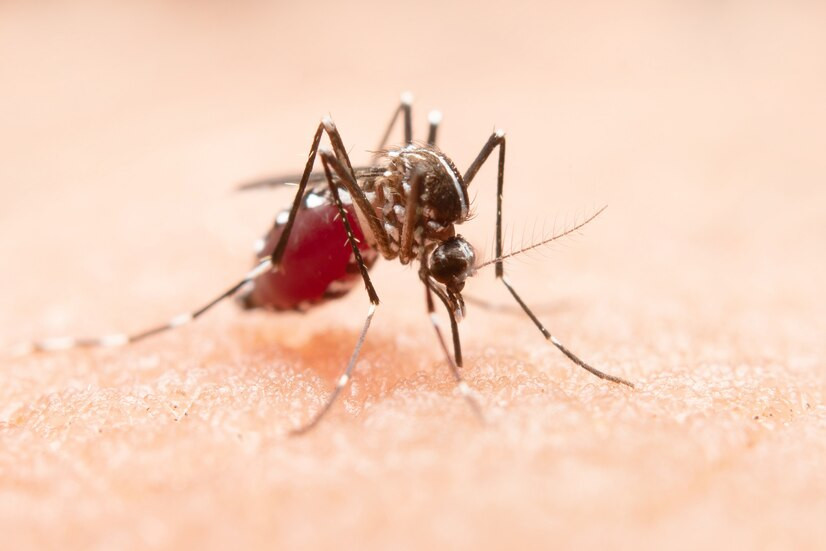
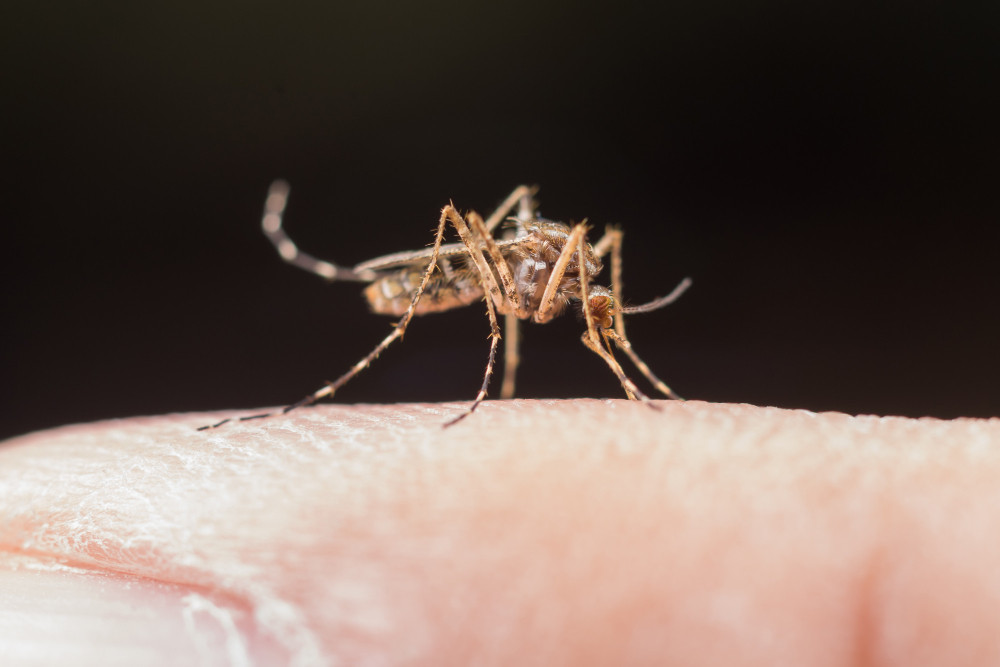
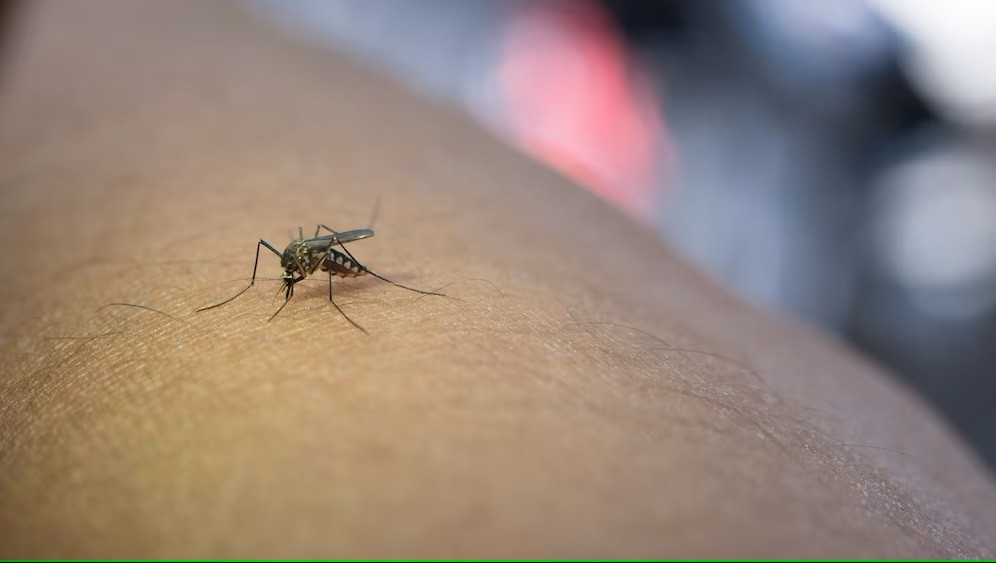
Malaria is a serious disease caused by the Plasmodium parasite. Transmission typically occurs through the bite of an Anopheles mosquito. After an infected Anopheles mosquito bites a person, the parasite enters the bloodstream, develops in the liver, and then begins to invade red blood cells.
Common symptoms resemble the flu, including fever, headache, and vomiting. Without prompt care, malaria can lead to dangerous complications such as anemia (low red blood cell/hemoglobin levels), hypoglycemia (low blood sugar), and cerebral malaria (infection affecting the brain), any of which can be life-threatening.
Tips for Preventing Malaria
The most effective strategy is to protect yourself from mosquito bites and avoid travel to areas with high case counts. In Indonesia, malaria-endemic regions include Papua, Maluku, and East Nusa Tenggara (NTT).
Anopheles mosquitoes are generally active from early morning until sunset. They favor clean, unpolluted water and are often found in rain puddles, rivers, ponds, and open water with vegetation such as swamps or mangrove forests. If you plan to visit areas where Anopheles mosquitoes are common, especially when malaria cases are rising, do these steps to prevent malaria in advance.
According to the Indonesian Ministry of Health, several ways to prevent malaria include:
1. Install screens and use bed nets
If you live in a high-risk area where malaria cases are high, install a wire mesh over vents and windows to keep mosquitoes out of the house. For added protection, use mosquito nets over beds while you are sleeping.
2. Apply mosquito repellent
When you are traveling to endemic areas with high risks of malaria transmission, apply mosquito repellent to your exposed skin. Products containing DEET (diethyltoluamide) are considered safe when they are used as instructed. Avoid applying repellent to children’s faces or hands, and never apply them on irritated or injured skin.
For children, select a mosquito repellent with no more than 30% DEET concentration. Choose a lower DEET concentration if they’ll be outdoors for a short amount of 1–2 hours. After they come from the outside, wash their hands and feet with soap and running water, and wash their worn clothing thoroughly.
3. Wear long-sleeved clothing
In addition to repellent, wear long sleeves and long pants when you are spending time outdoors.
4. Eliminate or clean mosquito breeding sites frequently
Anopheles can breed in stagnant water around the home or in open water with vegetation such as swamps, puddles, and mangrove areas. Reduce the risk of malaria transmission by removing standing water and, where appropriate, introducing larva-eating fish. Avoid hanging worn clothes in the bedroom, as mosquitoes often rest in these spots.
5. Take antimalaria if prescribed and consider malaria vaccination
If you are traveling to an endemic region with high malaria transmission, your doctor may prescribe antimalaria or recommend a malaria vaccine for children. At present, malaria vaccination is prioritized for African countries with high burden and is not yet available in Indonesia.
Malaria can be dangerous if not taken seriously. With proper preventive measures, case numbers can be reduced. If you have visited a malaria-endemic area and begin to notice malaria symptoms, seek medical care promptly.
Looking for more information about other diseases? Click here!
- dr Hanifa Rahma
Direktorat Jenderal Pencegahan dan Pengendalian Penyakit Kemenkes RI. (2021). Hari Malaria Sedunia Tahun 2021. Available from: http://p2p.kemkes.go.id/hari-malaria-sedunia-tahun-2021/#
Sehat Negeriku Kementerian Kesehatan RI. (2021). Tren Kasus Malaria Menurun. Available from: https://sehatnegeriku.kemkes.go.id/baca/rilis-media/20210423/3337549/tren-kasus-malaria-menurun/
Cleveland Clinic. Malaria. https://my.clevelandclinic.org/health/diseases/15014-malaria
Lam, P. (2022). What to Know about Malaria. Available from: https://www.medicalnewstoday.com/articles/150670
WHO. (2022). Malaria. Available from: https://www.who.int/news-room/fact-sheets/detail/malaria
CDC. Biology. Available from: https://www.cdc.gov/malaria/about/biology/index.html
Hirsch, L. Are Insect Repellents With DEET Safe for Kids?. Available from: https://kidshealth.org/en/parents/repellent.html#