Definition
Chronic venous insufficiency occurs when the veins in the legs fail to effectively return blood to the heart. Normally, valves within these veins ensure that blood flows from body tissues back to the heart. When these valves malfunction, blood can flow backward, pooling in the legs. Although chronic venous insufficiency is typically not life-threatening, it can cause pain and disrupt daily activities. This condition is rare in children compared to adults.
Causes
The causes of chronic venous insufficiency in children may include:
- Prolonged high blood pressure in the leg veins, often due to sitting or standing for extended periods
- Lack of physical activity
- Blood clots in deep veins, such as in the calves or thighs (deep vein thrombosis), which can be life-threatening if the clot travels to the lungs (pulmonary embolism)
- Inflammation and swelling of veins near the skin, typically in the legs (phlebitis)
- Klippel-Trenaunay syndrome, a developmental disorder affecting blood vessels, connective tissue, bones, and lymphatic vessels. This condition results in improper formation of the leg veins, leading to their swollen and tortuous appearance (varicose veins)
Risk Factor
Risk factors for chronic venous insufficiency in children include:
- Being overweight
- A family history of chronic venous insufficiency
- Previous leg injury, surgery, or vein blockage
Symptoms
Symptoms of chronic venous insufficiency may include:
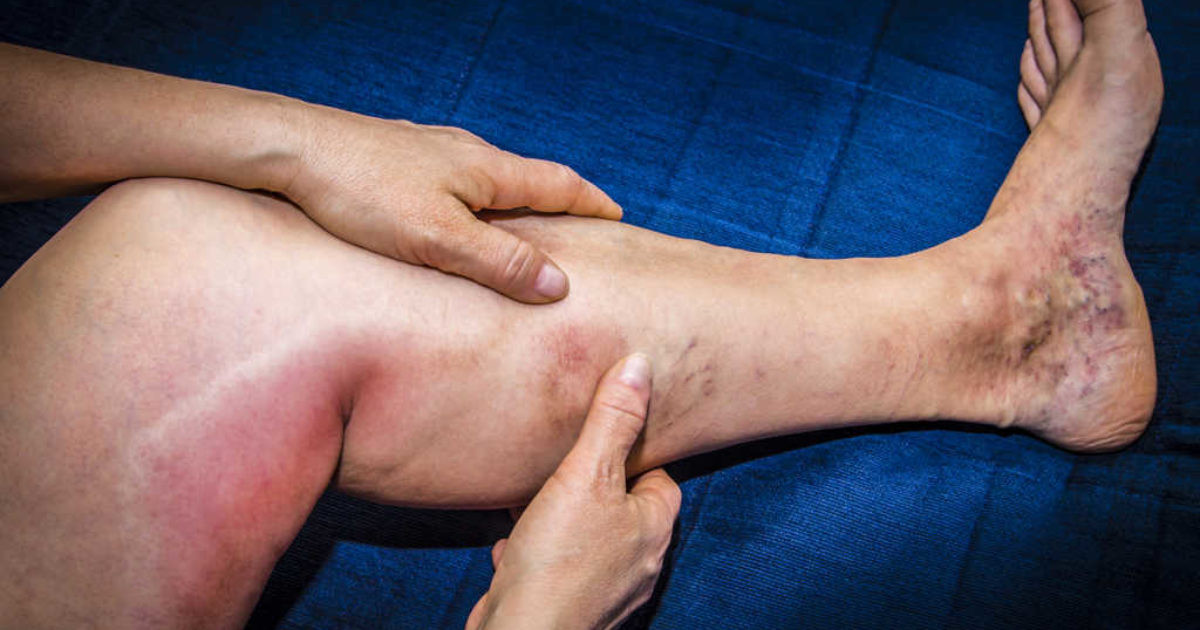
- Swelling in the legs or ankles
- Tightness in the calves or itching and pain in the legs
- Pain that improves with rest after walking
- Brown skin discoloration, especially near the ankles
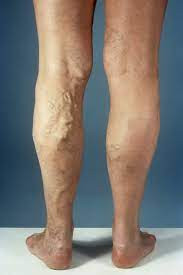
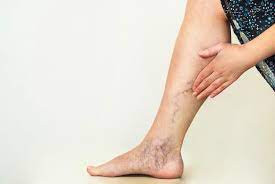
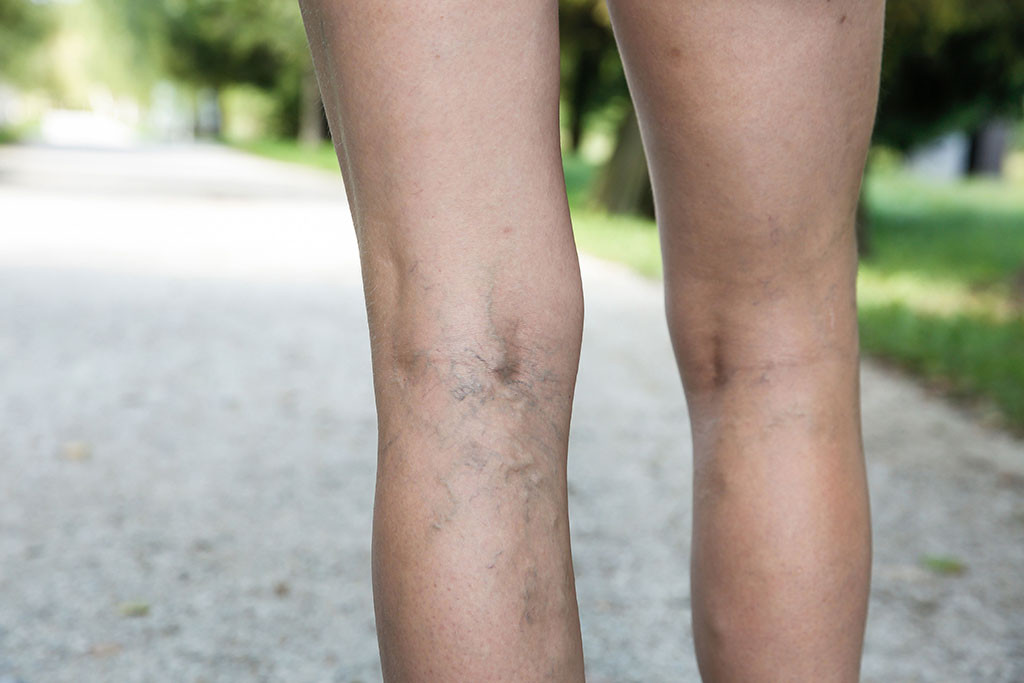
- Visible varicose veins
- Hard-to-heal leg ulcers
- Restlessness and discomfort in the legs
- Painful cramps or muscle stiffness
Varicose veins and leg swelling are the most common symptoms in children. Rarely, children can also experience symptoms including echo wounds. Some children may have no symptoms at all.
Diagnosis
The diagnosis of chronic venous insufficiency is made based on the child's history and examination. The child's complaints and symptoms can direct the doctor's diagnosis. A history of injury, surgery, and blood clotting problems can also strengthen the suspected diagnosis. The doctor can also perform an examination with observation or a physical examination involving the legs.
In addition, the doctor can also perform a duplex ultrasonography examination. This examination uses sound waves to detect the condition of the blood vessels in the legs. With this tool, the doctor can see the size of the veins in the child's legs and the work of the venous valves. The findings from this examination can help the doctor diagnose chronic venous insufficiency in children.
One of the causes of chronic venous insufficiency in children is Klippel-Trenaunay syndrome. The following symptoms characterize this syndrome:
- Purplish-red birthmarks. This birthmark occurs due to an error in the formation of capillary blood vessels near the skin
- Error in the formation of veins. This problem is characterized by varicose veins and swelling of the blood vessels, which usually occurs in the legs. In addition to the legs, this malformation can occur in the arms, abdomen, and pelvis
- Excessive bone and connective tissue formation. As a result, the limbs become longer and larger
- Malformation of the lymphatic system. This can cause fluid leakage into the tissue and swelling
- Other conditions such as cataracts, glaucoma, hip dislocation at birth, purplish red skin color in cold weather, and blood clotting problems
This syndrome can be diagnosed with various imaging techniques, such as ultrasound, magnetic resonance imaging (MRI), scanogram, and computed tomography scan (CT scan). These examinations help doctors distinguish between bones, fat, muscles, and blood vessels. A scanogram examination can help doctors measure the length of bones. In addition, examinations such as magnetic resonance angiography (MRA) and computed tomography angiography (CTA) can help doctors look for blood clots in the blood vessels.
In addition to imaging, doctors can perform blood clotting tests to see the stages of blood clotting and determine blood clotting problems. Doctors can also perform genetic studies to look for gene abnormalities that can cause this syndrome.
Management
Chronic venous insufficiency in children can be managed independently or with the assistance of a healthcare professional. Self-management options include raising the legs while resting and wearing compression stockings. When resting, raise your legs by placing your feet on a pillow so that they are higher than your chest and heart. This action uses gravity to help flow blood back to the heart. Meanwhile, compression stockings can help prevent swelling, varicose veins, and reverberating wounds by applying pressure to the veins, allowing the valves to function properly.
You may also help your child with skin hygiene in the area of chronic venous insufficiency. Skin hygiene is essential for preventing infections and treating any bleeding that occurs.
Vein ablation is another possible treatment option. This procedure involves closing varicose veins. This procedure can be performed using a laser and magnetic waves (magnetic resonance). Sclerotherapy is another type of therapy that involves injecting a special solution into the veins to form scar tissue. The goal of this therapy is the same as vein ablation: to close enlarged veins.
Another treatment option for this condition is surgery. In order to stop blood flow through the enlarged veins, surgery is typically performed to tie them off. Additionally, the veins will be cut and removed if the valves are severely damaged.
Complications
Complications of chronic venous insufficiency can include:
- Pain and ulcers due to poor blood circulation
- Vein enlargement and inadequate blood flow can raise the risk of deep vein thrombosis, a potentially fatal condition where blood clots form in the blood vessels. This is particularly true if the clot breaks free and travels to the lungs, blocking the blood vessels there (pulmonary embolism).
- Inflammation and pain can result from a microscopic blood clot that forms in a vein close to the skin (superficial thrombophlebitis).
Prevention
Preventing chronic venous insufficiency in children involves lifestyle changes and weight management. Increasing physical activity can help. Genetic conditions like Klippel-Trenaunay syndrome, however, cannot be prevented.
When to See a Doctor?
Consult a doctor if your child experiences persistent leg swelling accompanied by pain or cramps. Symptoms of chronic venous insufficiency can mimic other conditions, so a medical evaluation is essential for accurate diagnosis and treatment guidance.
Looking for more information about other diseases? Click here!
- dr. Alvidiani Agustina Damanik
Chronic Venous Insufficiency. (2022). Retrieved 10 May 2022, from https://www.stanfordchildrens.org/en/topic/default?id=chronic-venous-insufficiency-85-P08250
Klippel-Trenaunay syndrome - Symptoms and causes. (2022). Retrieved 10 May 2022, from https://www.mayoclinic.org/diseases-conditions/klippel-trenaunay/symptoms-causes/syc-20374152
Teker Açikel, M., & İnan, B. (2019). Venous Insufficiency in Pediatric Patients. Bezmialem Science, 7(4), 307-310. doi: 10.14235/bas.galenos.2019.3115