
Definition
Impaired consciousness is a condition when a person is less or unable to respond to any stimuli. This condition is caused by fatigue, injury, illness or side effects of drugs. Impaired consciousness can be one of the signs of an emergency. Impaired consciousness based on its severity is divided into:
- Confusion, characterized by the absence of clear thinking.
- Disorientation, namely confusion or forgetfulness of identity or surrounding conditions such as location or time. The initial symptoms that usually arise can be a loss of awareness of the surrounding environment. In advanced stages, symptoms of memory loss of time can arise, these symptoms can be followed by a loss of the ability to recognize places.
- Delirium, namely the patient appears conscious but has difficulty concentrating and experiences a decrease in the level of awareness of the surrounding environment. Emotional responses that can arise include fear to anger. Delirium patients will usually appear restless.
- Lethargy, namely decreased consciousness with accompanying symptoms such as lethargy, weakness, drowsiness and difficulty concentrating. In a state of lethargy, the patient will lose response to a stimulus such as an alarm sound or a fire warning.
- Stupor, namely a type of decreased consciousness like deep sleep, does not respond to sound stimuli, but still reacts to pain stimuli.
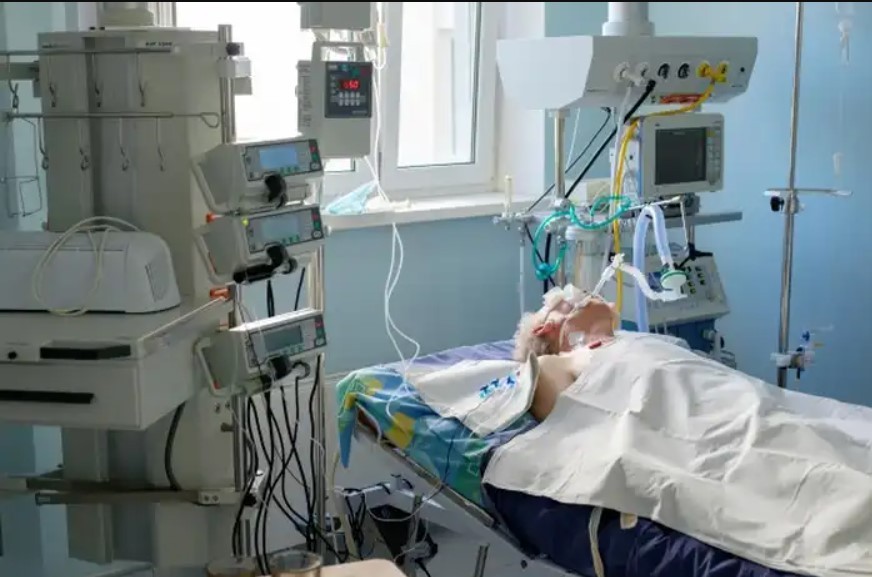
- Coma is a condition of being unconscious and not responding to any stimuli.
Causes
Causes of impaired consciousness are numerous such as chronic kidney disease, extreme fatigue, lack of sleep, blood sugar that is too high or too low, blood sodium concentration that is too high or too low, severe infection, infection in the brain, liver failure, hypothyroidism or hyperthyroidism, Alzheimer's disease or dementia, brain tumour, shock, head injury, seizure, stroke, meningitis, encephalitis, accident, near drowning, high fever, and low body temperature. Heart problems that can commonly cause impaired consciousness include arrhythmia, lack of oxygen, low or too-high blood pressure, and heart failure. Drugs such as alcohol, narcotics, poison gas or sedatives and anti-anxiety or seizure medications can also cause impaired consciousness.
Risk Factor
Some factors that can increase the risk of impaired consciousness are age, smoking, alcohol, injury, having comorbid diseases such as heart, kidney, liver disease, diabetes, high blood pressure, and having a history of stroke and seizures. Environmental factors such as work that has a high risk of head injury.
Symptoms
Some symptoms of impaired consciousness include:
- Seizures
- Digestive or urinary disorders
- Difficulty walking or staggering
- Balance disorders
- Dizziness
- Irregular heartbeat
- Rapid pulse
- Low blood pressure
- Sweating
- Fever
- Weakness in the face, arms and legs
Diagnosis
To diagnose impaired consciousness, a thorough examination is necessary. This begins with an interview (anamnesis) with the patient's family or someone familiar with the patient's symptoms. Key points to address during the interview include the onset of impaired consciousness: when it began, how it developed, its duration, any accompanying symptoms, the patient's medical history, prior head injuries, and any relevant risk factors.
A comprehensive physical examination should then be conducted, covering the head and neck, heart and lungs, abdomen, and limbs, as well as a detailed neurological assessment. The doctor will also assess the level of consciousness using the Glasgow Coma Scale (GCS), which evaluates three response types: eye-opening, verbal communication, and physical movement. The normal GCS score is 15, while the lowest possible score is 3.
A complete blood test is important to determine the patient's haemoglobin (Hb) levels and white blood cell count. Low haemoglobin levels may indicate anaemia, while elevated white blood cell counts could suggest infections such as meningitis or pneumonia. Toxicology tests can detect the presence of certain drugs through blood or urine samples. Additionally, electrolyte tests measure sodium, potassium, and chloride levels, while liver function tests assess protein, enzyme, and bilirubin levels in the patient.
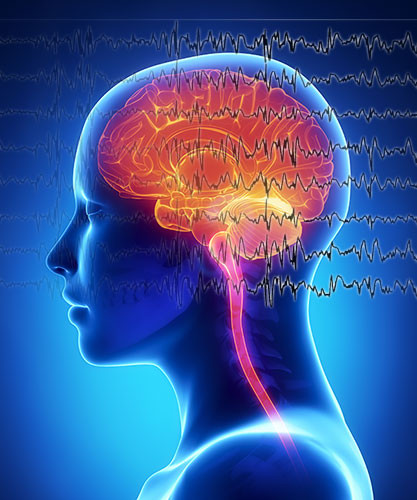
Diagnostic tests help confirm the diagnosis and may include an electroencephalogram (EEG) to evaluate brain activity, an electrocardiogram (ECG) to monitor heart rhythm, chest X-rays, and CT or MRI scans to identify any abnormalities in the brain.
Management
The management of impaired consciousness depends on its underlying cause. The primary goal of treatment is to maintain brain function. Certain conditions, such as head injuries, hypovolemic shock, or hypoglycemia (low blood sugar), are considered emergencies and require immediate intervention. If impaired consciousness is suspected to be due to an infection, antibiotics may be administered. In cases where drugs are the cause of impaired consciousness, antidotes can be provided. It's important to note that not all causes of decreased consciousness can be treated effectively. For example, impaired consciousness resulting from Alzheimer's disease is usually managed with therapies aimed at alleviating symptoms and helping patients remain active. In some situations, surgery may be necessary to reduce swelling in the brain.
Complications
Complications arising from impaired consciousness can differ based on the underlying cause. For instance, loss of consciousness caused by heart rhythm disturbances may lead to stroke or heart failure, while impaired consciousness due to a brain infection can result in seizures. Therefore, it is essential to seek prompt and accurate treatment, as well as to quickly diagnose the cause of impaired consciousness to minimize the risk of complications.
Prevention
Impaired consciousness typically occurs suddenly and cannot be prevented. However, certain measures can help reduce the risk of repeated episodes or minimize their severity. It's important to manage blood sugar levels to avoid them being too high or too low and to monitor blood pressure regularly. For individuals with pre-existing conditions, routine check-ups for kidney, thyroid, heart, and liver health are essential. Always consult with your doctor about which medications are necessary and which should not be taken together, as well as any foods that may interact with them. Stay hydrated by drinking enough water, avoid standing for prolonged periods if you are prone to fainting, and sit down immediately if you experience any faintness.
When to See a Doctor?
It is recommended to see a doctor immediately if someone close to you experiences impaired consciousness accompanied by a fall or injury, is pregnant, has a history of stroke or has partial weakness of the limbs, slurred speech, seizures, high fever, diabetes, is not breathing, chest pain and an irregular heartbeat.
Want to know information about other diseases? Check here, yes!
- dr Nadia Opmalina
National Institute of Health (2019). U.S. National Library of Medicine. Medline. Decreased Alertness.
Mayo Clinic. https://www.mayoclinic.org/first-aid/first-aid-fainting/basics/art-20056606
Medline Plus. https://medlineplus.gov/ency/article/003202.htm
WebMD. https://www.webmd.com/brain/sudden-confusion-causes#1
Giacino, et al. (2018). Comprehensive Systematic Review Update Summary: Disorders of Consciousness. Neurology, 91(10), pp. 461–470.
Healthline. Decreased Consciousness (2019). from : Consciousness: Causes, Symptoms, and Diagnosis (healthline.com)