
The pandemic pushed schools and workplaces to move their face-to-face activities into online formats. Many people turned corners of their homes into improvised studios or work areas during work from home to create a comfortable setting for daily tasks.
Now that face-to-face interactions are allowed again, many companies have instituted policies requiring employees to return to the office. On one hand, this approach can improve organizational productivity. On the other hand, this shift can lead to anxiety disorders. Why?
Causes of Anxiety When Returning to the Office
Feeling anxious about going back to the office is normal. This worry stems from the abrupt changes during the pandemic, when everyone had to restrict activities and work from home, followed by the need to readjust to in-person routines. These rapid transitions and the demand to adapt quickly can cause anxiety that leads to stress.
Another reason for anxiety about returning to the office relates to the ongoing spread of the Covid-19 virus, such as:
- What if you become infected at work and bring the virus home?
- How do you set personal boundaries in the workplace?
- What are the rules for safe in-person interactions at the office?
- How can you maintain health protocols at work?
- Can you perform at your best again?
- What will work look like during the pandemic?
These concerns are making many people choose working from home over working from the office.
Tips to Manage Anxiety About Returning to the Office
Experts note that anxiety about returning to the office is a common reaction. To stay productive, you can manage this anxiety in the following ways:
1. Keep Wearing a Mask
According to the CDC, you may remove your mask if you are fully vaccinated against Covid-19. However, for added protection, it is still wise to wear a mask when you are interacting with coworkers.
2. Maintain Physical Distance
As part of following health protocols, keep physical distance while you are at work. For some people, being used to staying at home and then suddenly meeting many people again can cause anxiety. To help with this, keep your distance in shared areas such as elevators and the pantry.
3. Begin with a Small Team
To adjust to the post-pandemic work environment, you may need to rebuild strong communication among team members. Start by holding meetings with a small core team so everyone becomes comfortable with in-person work again. Clear communication within teams can streamline tasks, reduce pressure, and lower stress.
4. Limit In-Person Meetings
Although in-person meetings are now permitted, schedule them carefully. Limit both the number and length of face-to-face meetings to reduce the risk of transmission. In addition, when you hold in-person meetings, make sure they are essential and ensure good air circulation in the room.
5. Practice Relaxation
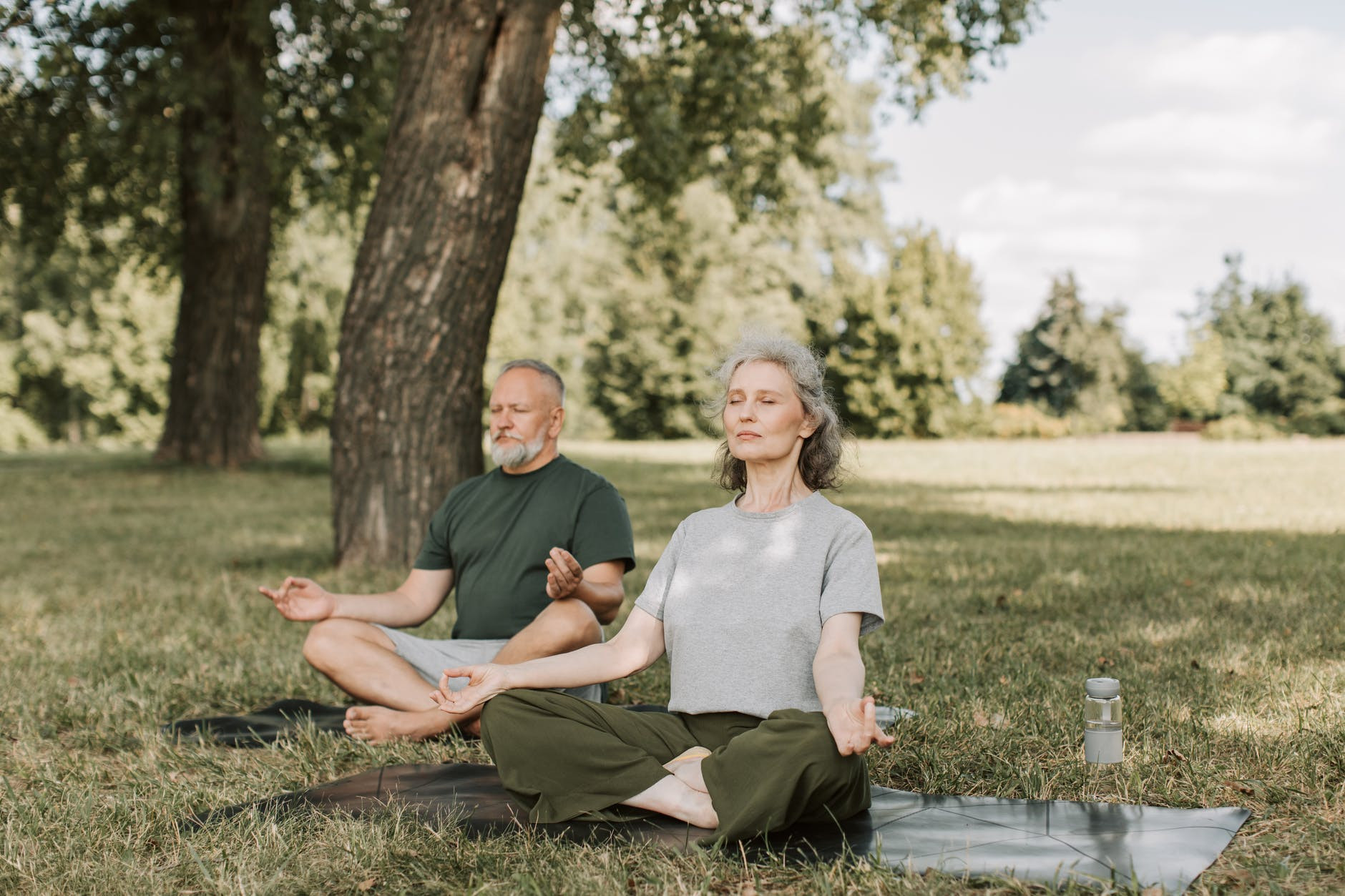
When you feel anxious and tired at work, take time to relax. You can try breathing exercises, yoga, meditation, getting a massage, or making a warm drink to help relax tense muscles.
Anxiety about returning to the office is common and experienced by many people. If your anxiety continues, promptly share your concerns with coworkers and consult a psychologist or psychiatrist. The sooner anxiety is addressed, the more likely it is to prevent stress from getting worse.
Looking for more information about health tips and tricks, first aid, and other home remedies? Click here!
- dr Hanifa Rahma
Sah, S. (2021). What to Do About Back to The Office Jitters. Available from: https://hbr.org/2021/10/what-to-do-about-back-to-the-office-jitters
Scully, S. (2021). 12 Tips for Returning to Work Post-Pandemic. Available from: https://www.healthline.com/health/mental-health/tips-for-returning-to-work-post-pandemic
WebMD. (2020). Covid-19 Daily: Return-to-Work Guidelines Tips From Frontline Docs. Available from: https://www.webmd.com/lung/news/20200409/covid-19-daily-return-to-work-guidelines-tips-from-frontline-docs#1