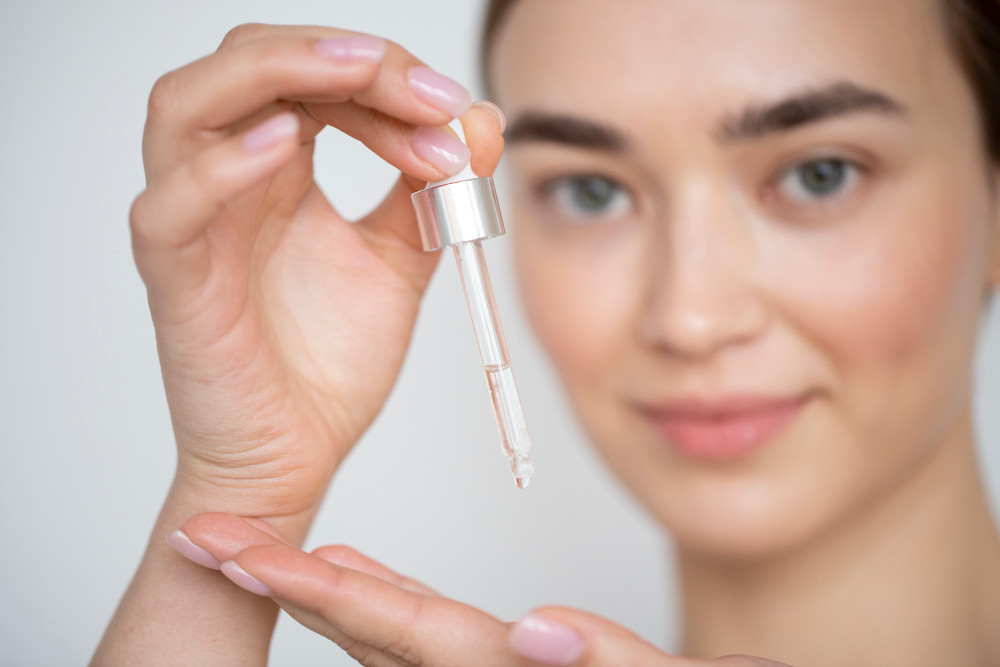
Beta Hydroxy Acid (BHA) is a widely used ingredient in skincare products, particularly for its exfoliating properties and its ability to address common skin issues like acne and clogged pores. BHA is an oil-soluble acid, making it highly effective for individuals with oily or acne-prone skin.
Common types of BHA used in skincare include salicylic acid, beta hydroxy butanoic acid, tropic acid, and trethocanic acid. While BHA offers numerous benefits, it’s important to use it correctly to avoid potential side effects. This article explains the risks of BHA and provides tips for safe usage.
Risks of Using Beta Hydroxy Acid (BHA)
Salicylic acid, the most frequently used BHA in skincare products, is known for its ability to treat acne, improve skin texture and tone affected by sun damage, and reduce fine lines. Although BHA is generally safe, there are some risks associated with its use, particularly during the initial phase of introduction to your skincare routine. Common side effects include:
-
A stinging or tingling sensation
-
Itching
-
Dry, peeling skin
-
Small bumps
-
Redness
To minimize the risk of irritation and adverse reactions, it’s advisable to begin using BHA in a low concentration, typically around 0.5% to 1%. This allows the skin to adjust gradually.
How to Use BHA Safely
To maximize the benefits of BHA without causing skin irritation, follow these steps for safe use:
-
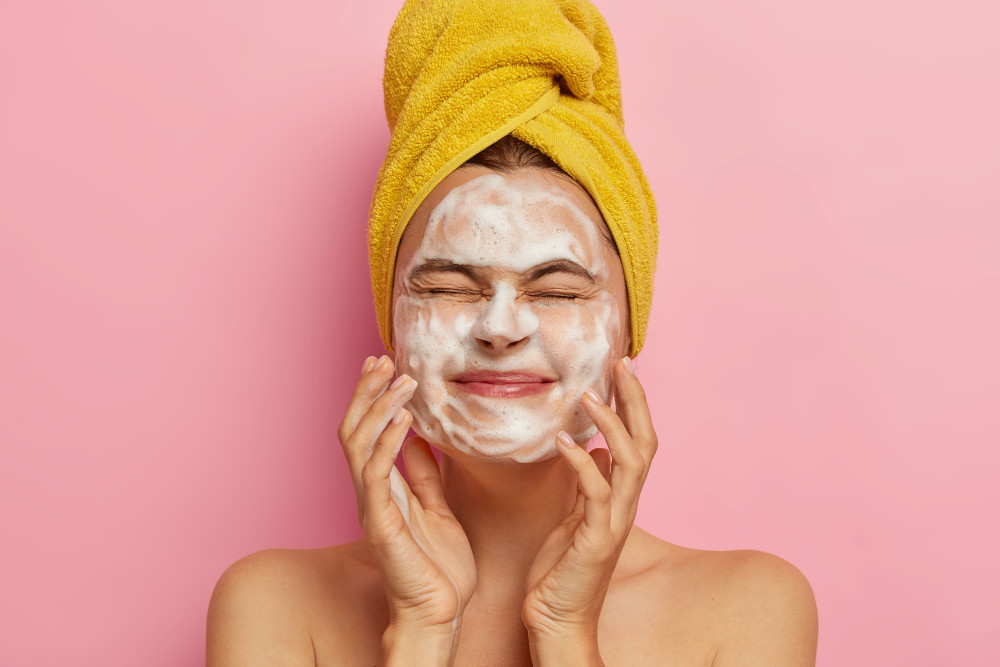
Before incorporating BHA into your regular skincare routine, conduct a patch test on a small area of skin (such as the jawline or behind the ear). This ensures that you won’t experience an allergic reaction or irritation.
-
If you’re new to BHA, it’s important to begin with a low concentration. Gradually increase the strength and frequency as your skin builds tolerance.
-
In the beginning, use BHA 2-3 times per week. This helps to minimize irritation. Once your skin becomes accustomed to it, you can increase the frequency of use to suit your skincare needs.
-
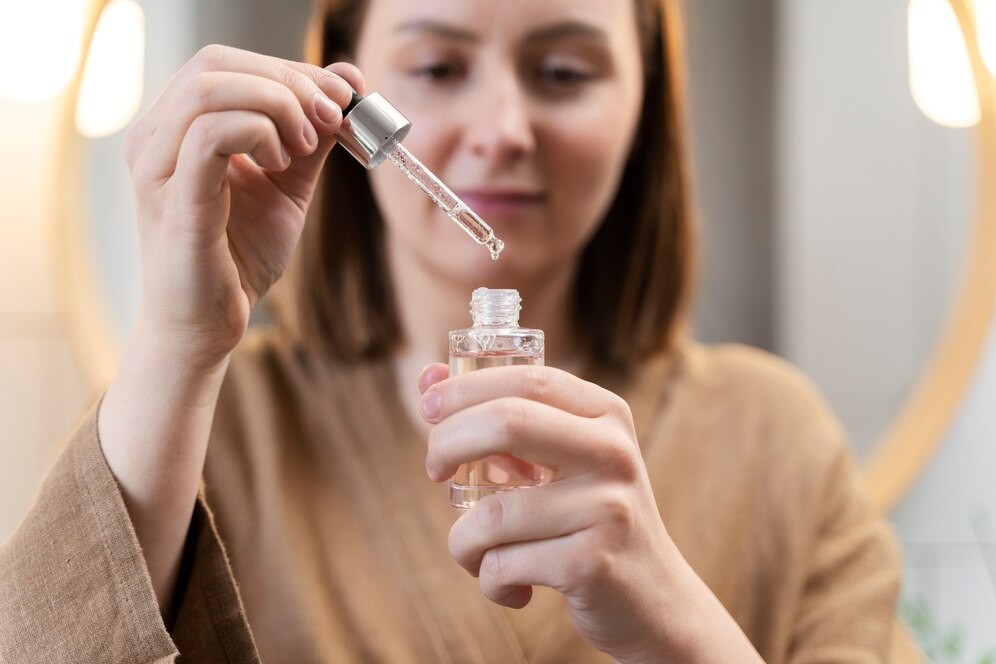
After washing your face, apply BHA before your serum or moisturizer. This allows it to work more effectively, as it can penetrate deeper into the skin before other products are applied.
-
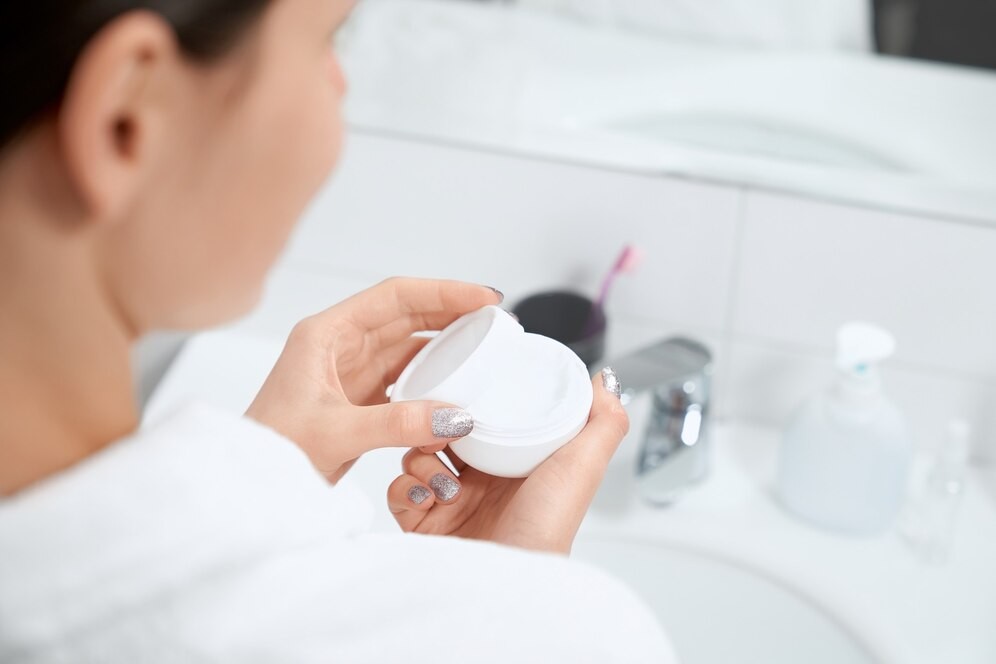
Since BHA can lead to dryness, it’s essential to combine it with a good moisturizer. Additionally, because BHA can increase skin sensitivity to sunlight, always use a sunscreen with an SPF of at least 30 during the day.
-
Do not use BHA with other potent active ingredients, such as retinol or vitamin C, as this can increase the risk of skin irritation. If you’re unsure about how to combine ingredients, consult a dermatologist.
-
If you have sensitive skin, rosacea, or any other skin conditions, it’s best to consult a dermatologist before using BHA. If you experience severe irritation, stop using it immediately and seek professional advice.
By following these guidelines, BHA can offer significant benefits for your skin while minimizing the risk of adverse reactions. Remember to always monitor your skin’s response and adjust your skincare routine as needed. If you’re unsure about how to incorporate BHA into your routine or if irritation occurs, don’t hesitate to consult a skincare professional.
You can also consult a doctor via the Ai Care app, available for download on the App Store or Play Store.
Looking for more information about health tips and tricks, first aid, and other home remedies? Click here!
- dr Hanifa Rahma
US FDA (2022). Beta Hydroxy Acids. Available from: https://www.fda.gov/cosmetics/cosmetic-ingredients/beta-hydroxy-acids
Evan Starkman (2023). AHA and BHA for Skin: What to Know. Available from: https://www.webmd.com/beauty/aha-bha-skin-exfoliate
Jessica Caporuscio, PharmD (2021). Understanding the difference between AHA and BHA for skin care. Available from: https://www.medicalnewstoday.com/articles/aha-vs-bha#how-to-use-bh-as
Scott Frothingham (2023). Can Salicylic Acid Help Treat Acne?. Available from: https://www.healthline.com/health/skin/salicylic-acid-for-acne#how-it-works
Jessica Migala (2025). 6 Skin-Care Ingredient Combinations That Don’t Mix. Available from: https://www.everydayhealth.com/skin-beauty/skin-care-ingredient-combinations-that-dont-mix/