Definition
A fracture, or broken bone, is a break in the continuity of the bone, while dislocation refers to an abnormal position of a joint or bone. A spinal fracture specifically refers to a break in the spine, while a spinal dislocation indicates a change in the alignment of the vertebrae.
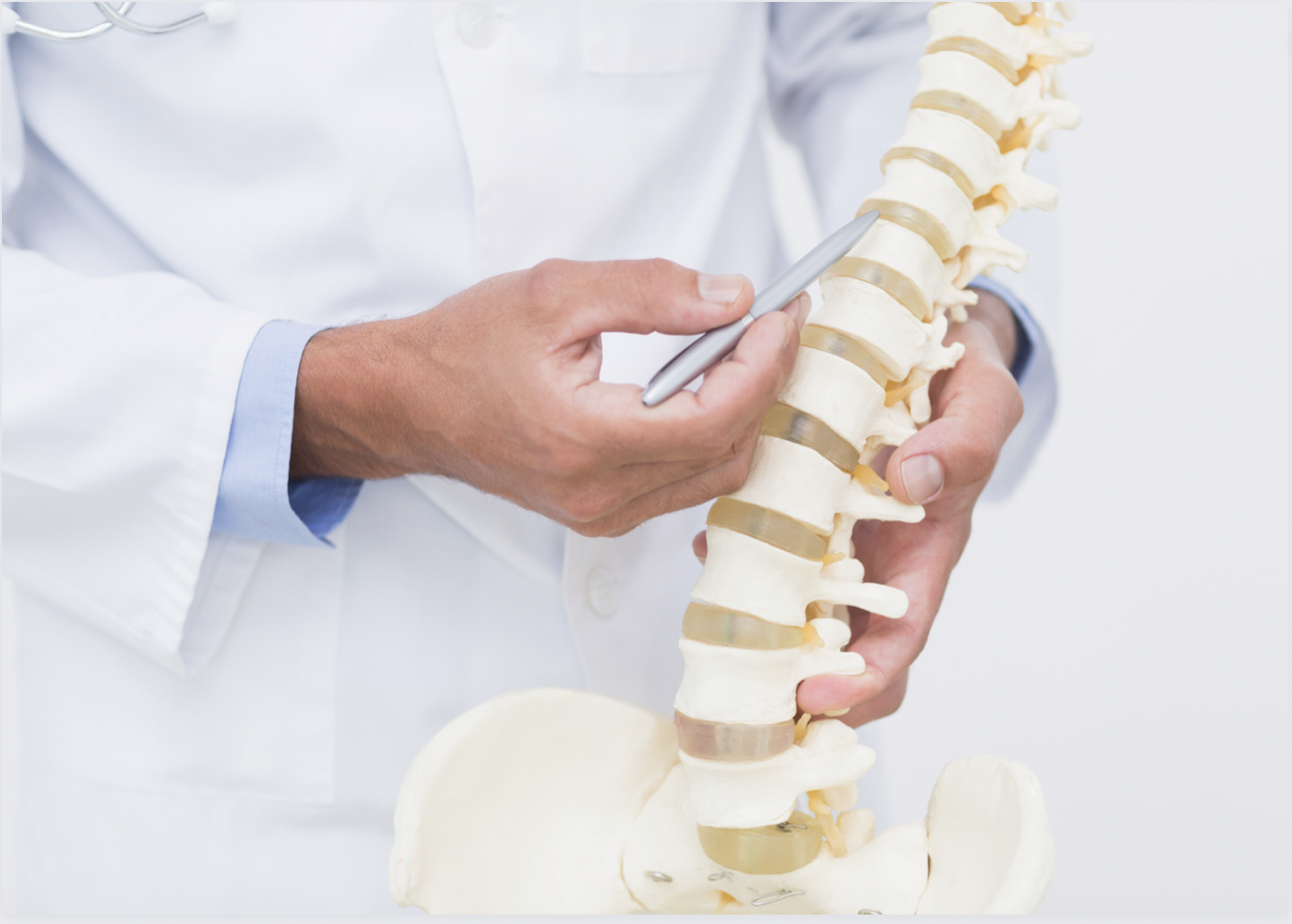
The spine is made up of 33 vertebrae stacked on top of each other, protecting the spinal cord. These vertebrae are held together by ligaments that keep the spine aligned and prevent excessive movement. The spine is divided into three main regions: cervical (neck), thoracic (chest), and lumbar (pelvis).
Spinal fractures can occur anywhere along the spine, but most commonly, approximately 64% of fractures occur in the thoracolumbar region (lower back), particularly at the T12-L1 level. Around 5-10% of spinal fractures affect the neck (cervical fractures).
Spinal fractures and dislocations are serious conditions with high morbidity and mortality rates. They significantly impact the quality of life, especially as most spinal injury patients are in their productive years. Fractured or displaced bones can compress or tear the bone marrow, leading to nerve damage. Each year, around 10,000 new cases of spinal injury are reported, adding to the existing 180,000–200,000 cases. These injuries often cause lasting impairments due to their effect on mobility and bodily functions.
Causes
The primary cause of spinal fractures and dislocations is trauma. The main contributors to spinal injuries are car accidents (45%), falls from a height (20%), extreme sports (15%), violence or physical injury (15%), and the last 5% are caused by other incidents. Medical conditions such as osteoporosis and spinal tumors can weaken bones, making them more vulnerable to fractures.
There are several types of spinal injuries, including:
-
Compression Fracture: This occurs when rapid and severe vertical force is applied to the spine, causing the bones to become compressed and crack. If the force is strong enough, it can cause the spine to shatter, a condition called burst fracture. Compression fractures are more common in individuals with osteoporosis, spinal tumors, or conditions that result in low bone density.
-
Burst Fracture: Caused by high-impact force, this type of fracture causes the vertebra to shatter instantly, often affecting multiple vertebrae. The broken bone segments can spread and cause severe bone marrow damage.
-
Dislocation: A vertebra becomes displaced from its normal position due to the tearing or pulling of the ligaments that hold it in place. This type of injury is common in car accidents when a seatbelt exerts excessive force, pulling the body forward and stressing the ligaments. A dislocation does not involve bone breakage but can lead to long-term instability and may require a brace.
-
Fracture-Dislocation: This occurs when a vertebral fracture and dislocation happen simultaneously, leading to spinal instability. Surgery is typically required for this condition.
Risk Factor
Spinal fractures and dislocations are most common in:
-
Individuals aged 18-25, with about 80% of cases occurring in this age group.
-
Men, who are four times more likely to experience a spinal fracture than women.
Symptoms
The symptoms of spinal fractures vary depending on the injury's severity and location. Common symptoms include:
-
Neck pain
-
Skin numbness
-
Tingling sensations
-
Muscle stiffness
-
Weakness
-
Urinary or bowel problems (e.g., bedwetting or difficulty urinating)
-
Inability to move a limb or limited limb movement
Diagnosis
In the event of an injury or accident, the patient will be immediately taken to the emergency room. The doctor will first ensure that the patient's airway and breathing are stable. Once the condition is stable, a spinal examination will be conducted. It is crucial to immobilize the neck to prevent further damage. Once it’s confirmed that the neck is not injured, a comprehensive head-to-toe examination will follow.
The doctor will inquire about the nature of the injury, any episodes of fainting, numbness, or tingling, movement issues in the limbs, and any existing medical conditions (such as osteoporosis, malignancy, or current medications). The doctor may recommend additional tests, such as:
-
X-rays: To evaluate the bones and locate the fracture site.
-
CT scans: To assess structural changes in greater detail than X-rays.
-
MRI: To visualize soft tissue around the spine, including bone marrow. However, these tests are not typically performed in emergency situations due to time constraints.
Management
Treatment for spinal fractures primarily focuses on relieving pain and maintaining the patient’s position to prevent further damage. Immediate attention is also needed for other life-threatening conditions, such as chest injuries.
Treatment options for spinal injuries include:
-
Braces or Orthotics: These devices help maintain spinal alignment and restrict movement during the healing process. Typically, the brace is removed after 8–12 weeks.
-
Instrumentation and Fusion: This surgical procedure is used for unstable fractures. It involves fusing two bones together with plates or metal to create a stable structure between the upper and lower vertebrae.
-
Vertebroplasty: A minimally invasive procedure used to treat spinal compression caused by conditions like osteoporosis or tumors. The goal is to increase bone density while preserving the bone marrow at the center.
Complications
-
Blood clots in the pelvis and legs due to prolonged immobility during the healing process
-
Pulmonary embolism
-
Decubitus ulcers (pressure sores)
-
Bleeding
-
Infection
-
Spinal fluid leaks
-
Surgical wound complications
-
Nerve disorders
-
Ongoing pain
Prevention
The following measures can reduce the risk of spinal fractures and dislocations:
-
Drive carefully: Accidents are a major cause of spinal injuries. Always wear a seatbelt and drive with caution.
-
Prevent falls: Ensure your floors are not slippery. Install grip bars or wall rails in areas like bathrooms to help prevent falls, especially for the elderly.
-
Monitor your health: Take medications according to the recommendations from your healthcare provider, and check your medical condition regularly for adequate treatment.
When to See a Doctor?
If you experience an accident, fall, or sudden back pain, especially with a history of infection or cancer, seek medical attention immediately at the nearest healthcare facility. The time between the onset of symptoms and treatment plays a crucial role in the recovery process.
If you encounter someone with a suspected spinal cord injury, follow these steps:
-
Seek help immediately
-
Ensure the neck is immobilized before being examined by a doctor
-
Provide first aid without moving the neck or head
Looking for more information about other diseases? Click here!
- dr Anita Larasati Priyono
Goodrich JA. (2019). Spinal dislocations. Medscape. Available from: https://emedicine.medscape.com/article/1265365-overview#a4
Highsmith JM. (2019). Types of spinal fractures. spineuniverse. Available from: https://www.spineuniverse.com/conditions/spinal-fractures/types-spinal-fractures
Kachmann M. (2018). Spinal fracture. Mayfield Clinic. Available from: https://mayfieldclinic.com/pe-spinefract.htm
Park DK. (2020). Fracture of the thoracic and lumbar spine. orthoinfo. Available from: https://orthoinfo.aaos.org/en/diseases--conditions/fractures-of-the-thoracic-and-lumbar-spine/
Watts E. (2021). Thoracolumbar fracture-dislocation. orthobullets. Available from: https://www.orthobullets.com/spine/2024/thoracolumbar-fracture-dislocation