

Other Brands/Names
Vitamin D is available in several forms:
- Vitamin D2: Akta-Vol, Supradex, Calcimet, Vitacalc, Minivita, Pehavral, Recovit, Vitalipid-N Adult, Vitalipid-N Infant
- Vitamin D3: Bionemi, Cernevit, Hemobion, Kalysmon, Dasabion, Natabion, Folamil, Forvit, Siobion, Fosamax Plus
- Alfacalcidol: Bon One
- Calcitriol
- Dihydrotachysterol
How It Works
Vitamin D is a nutrient required by the body to maintain and protect bone health because it helps the absorption of calcium, the main mineral component of bone. The term “vitamin D” refers to several substances that can prevent or treat rickets. In addition, vitamin D regulates many other cellular functions in the body and supports the normal function of nerve cells, muscles, and the immune system.
Indications
- A rare, inherited bone disorder (familial hypophosphatemia) marked by low phosphate levels in the blood. Taking vitamin D forms such as calcitriol or dihydrotachysterol together with phosphate supplements is effective for managing bone disease in people with low blood phosphate.
- Taking forms of vitamin D such as dihydrotachysterol, calcitriol, or ergocalciferol is effective in raising blood calcium levels in people with low parathyroid hormone levels.
- Bone disease in people with kidney disorders (renal osteodystrophy). Using vitamin D forms such as calcitriol helps manage low calcium and prevents bone loss in patients with kidney failure.
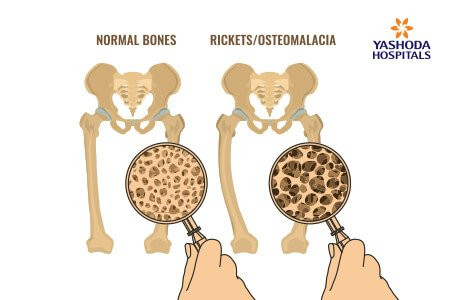
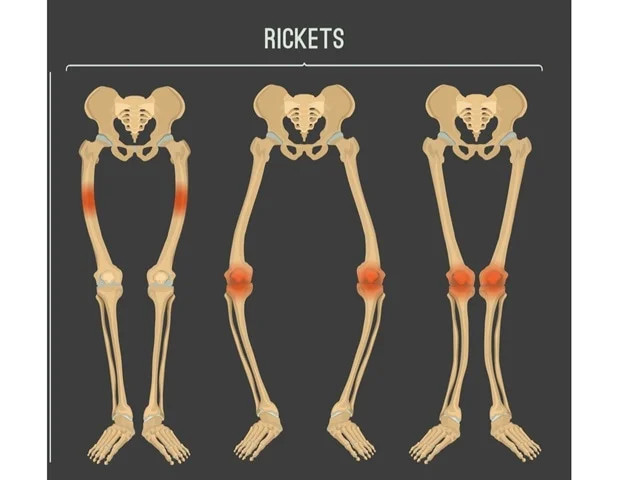
- Rickets (a childhood bone-growth disorder caused by vitamin D deficiency). Taking vitamin D is effective for both prevention and treatment of rickets.
Contraindication
- Atherosclerosis (hardening of the arteries): taking vitamin D may worsen this condition, especially in people with kidney disease.
- Histoplasmosis (a fungal infection): vitamin D can increase calcium levels in people with histoplasmosis, which may lead to kidney stones and other complications.
- Tuberculosis (TB): vitamin D can increase calcium levels in people with TB, which may result in kidney stones and other problems.
Side Effects
Vitamin D is generally safe when the supplement is taken in recommended amounts. Most people do not experience adverse effects unless excessive doses are taken. Potential effects of taking too much vitamin D include weakness, dry mouth, nausea, vomiting, and other complaints. Long-term use of vitamin D with daily doses above 4,000 IU (100 mcg) may be unsafe and can cause very high calcium levels in the blood.
Types
Tablets and capsules.
Dosage
Vitamin D is an essential nutrient. Good dietary sources include fish, eggs, and fortified milk. The daily recommended intake is called the Recommended Dietary Allowance (RDA). The RDA is 600 IU (15 mcg) per day for individuals 1–70 years old and 800 IU (20 mcg) per day for those 71 years and older. During pregnancy and breastfeeding, the RDA is 600 IU (15 mcg) daily. In children, the RDA depends on age. Most people should not exceed 4,000 IU of vitamin D per day unless they are under a doctor’s supervision.
Safety
- Pregnancy and breastfeeding: Vitamin D is likely safe during pregnancy and breastfeeding when used in daily amounts below 4,000 IU (100 mcg). Do not use higher doses unless instructed by a doctor.
- Children: Vitamin D is likely safe in children when taken orally in recommended amounts; however, long-term higher doses may be unsafe. Infants 0–6 months should not exceed 1,000 IU (25 mcg) daily. Infants 6–12 months should not exceed 1,500 IU (37.5 mcg) daily. Children 1–3 years old should not exceed 2,500 IU (62.5 mcg) daily. Children 4–8 years old should not exceed 3,000 IU (75 mcg) daily. Children 9 years and older should not exceed 4,000 IU (100 mcg) daily.
Drug Interactions
-
Using vitamin D together with aluminum-containing phosphate binders, the medicines used to treat high serum phosphate in chronic kidney disease, can result in dangerously elevated aluminum levels in people with long-standing kidney failure.
-
Corticosteroids such as prednisone can decrease calcium absorption and interfere with how your body metabolizes vitamin D.
-
Anticonvulsants (anti-seizure medicines): phenobarbital and phenytoin speed up the breakdown of vitamin D and reduce calcium absorption.
-
Atorvastatin (Lipitor): taking vitamin D may alter how the body handles this cholesterol-lowering drug.
-
Calcipotriene (Dovonex, Sorilux): do not combine vitamin D with this psoriasis medicine; the combination can increase the risk of hypercalcemia (excess calcium in the blood).
-
Digoxin (Lanoxin): avoid high doses of vitamin D with this heart medicine. Excess vitamin D can cause hypercalcemia, which raises the risk of life-threatening cardiac problems.
-
Diltiazem (Cardizem, Tiazac, and others): avoid high vitamin D doses with these blood pressure agents; hypercalcemia may occur and can lessen the drug’s effectiveness.
-
Orlistat (Xenical, Alli): this weight-loss medicine can reduce the absorption of vitamin D.
-
Thiazide diuretics: taking these antihypertensives with vitamin D increases the risk of hypercalcemia.
-
Verapamil (Verelan, Calan SR): high vitamin D doses taken with these blood pressure medicines can provoke hypercalcemia and may also diminish the effectiveness of verapamil.
Looking for more information about other drugs? Click here!
- dr Hanifa Rahma
Vitamin D. Pionas.pom.go.id. Retrieved 23 January 2022, from http://pionas.pom.go.id/ioni/bab-9-gizi-dan-darah/95-vitamin/954-vitamin-d.
WebMD. Vitamin D – Use, Side Effects, and More. Webmd.com. Retrieved 23 January 2022, from https://www.webmd.com/vitamins/ai/ingredientmono-929/vitamin-d.
Mayo Clinic. Vitamin D. Mayoclinic.org. Retrieved 23 January 2022, from https://www.mayoclinic.org/drugs-supplements-vitamin-d/art-20363792.
Medlineplus. Vitamin D. Medlineplus.gov. Retrieved 23 January 2022, from https://medlineplus.gov/vitamind.html.