Definition
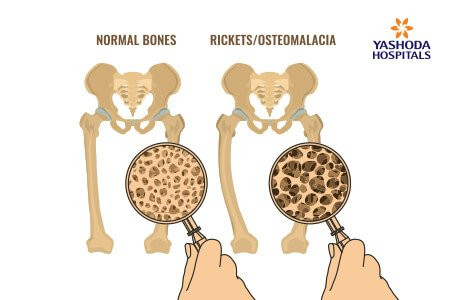
Rickets is a condition that weakens the bones and affects bone development in children. This condition is usually caused by a severe, long-term deficiency of vitamin D. Adults can experience a similar condition known as osteomalacia, or soft bones.
Rickets was more common in the past, but cases have significantly decreased since the early 20th century. The fortification of foods like margarine and cereal with vitamin D has played a key role in this decline.
Causes
Rickets is typically caused by a lack of vitamin D or calcium, although it can also be due to genetic disorders or other health conditions. Vitamin D and calcium are essential for the development of strong and healthy bones in children. The majority of vitamin D is obtained when the skin is exposed to sunlight.
Vitamin D can also be absorbed from certain foods like eggs, salmon, mackerel, or cereals fortified with vitamin D. Calcium, on the other hand, can be found in dairy products and green vegetables. Vitamin D helps the child’s body absorb calcium and phosphorus from food. Therefore, a vitamin D deficiency can reduce calcium and phosphorus levels in the bones, making them weak and soft.
In rare cases, a child may be born with genetic rickets. Other medical conditions that hinder vitamin D absorption can also cause rickets, such as:
- Celiac disease, a digestive disorder that damages the small intestine
- Cystic fibrosis, a condition causing mucus buildup in the airways and digestive tract
- Inflammatory bowel disease
- Kidney disorders
If you want to know more about celiac disease, you can read it here: Celiac Disease - Definition, Causes and Risk Factor.
Risk Factor
All children who don’t get enough vitamin D or calcium, either through food or sunlight, can develop rickets. However, certain groups of children have a higher risk. For example, rickets is more common among children from Asia, African-Caribbean, and the Middle East due to their darker skin, which requires more sunlight to produce adequate vitamin D.
Other factors that can increase the risk of rickets include:
- Mothers with severe vitamin D deficiency during pregnancy or breastfeeding
- Living in areas with less sunlight
- Premature birth reduces the amount of vitamin D passed from mother to child
- Certain medications, such as anticonvulsants or antiretrovirals for HIV
- Spending most time indoors, limiting sunlight exposure
- Medical conditions that hinder nutrient absorption
- A vegetarian diet
Symptoms
Rickets can cause a child’s bones to become soft and weak. Symptoms may include:
- Bone pain in the arms, legs, pelvis, and back
- Progressive muscle weakness
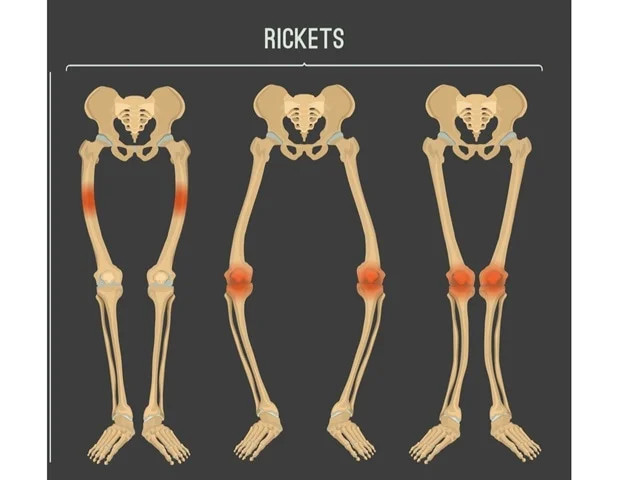
- Bone deformities, such as bowlegs or knock knees
- Dental problems
- Delayed growth, with the child appearing shorter than average
- Frequent bone fractures due to weak bones
- A noticeable difference in the child’s walking pattern
Some children with rickets may also have low blood calcium levels (hypocalcemia), which can worsen the symptoms and cause muscle cramps.
Diagnosis
To diagnose rickets, the doctor will take a medical history and ask about:
- The child’s health and medical history
- Family history of similar conditions
- Daily eating habits
- Any medications the child takes regularly
The doctor will also conduct a thorough physical examination, looking for bone pain, deformities, dental issues, and growth delays.
In addition, supporting tests may be conducted, including:
- Blood tests
- Urine calcium tests
- X-rays of the bones
- Bone density scans (DEXA scan)
You can read about the blood calcium test here: Serum Calcium - Definition, Indication, and Contraindication
Management
Most cases of rickets caused by vitamin D deficiency can be fully treated by ensuring that the child’s diet includes enough calcium and vitamin D or by adding vitamin supplements.
The doctor will recommend the necessary amount of vitamin D and calcium the child needs and how long treatment should last. The daily intake of vitamin D and calcium will depend on the child’s age, sex, and the underlying cause of rickets. If a digestive issue prevents proper nutrient absorption, higher doses of supplements and other treatments for the underlying disease may be required.
Sunlight exposure can also help the body produce vitamin D. Ensure the child spends time outdoors to get enough sunlight.
Complications
Untreated rickets can lead to:
- Failure to grow
- Spinal deformities, such as excessive curvature
- Abnormal bone structure
- Various dental problems
- Seizures
- Chronic bone pain
- Fractures occurring without trauma
Prevention
Rickets can be prevented with a proper diet. Ensuring that children get enough vitamin D and calcium from nutritious foods will prevent the condition. Foods like salmon, tuna, fish oil, eggs, milk, or cereals fortified with vitamin D should be included in the child's daily diet.
Children should also spend time outdoors to get adequate sunlight, which is a major source of vitamin D. The vitamin is produced under the skin after exposure to sunlight. However, sunscreen should be applied if spending extended time outdoors.
For pregnant and breastfeeding mothers, consult with a doctor about the need for vitamin D supplements to prevent deficiency in both mother and child.
When to See a Doctor?
Take your child to the doctor if they have symptoms of rickets, such as bone pain, delayed growth, muscle weakness, or bone deformities. Pregnant mothers should also ensure they attend regular prenatal checkups to monitor their health and their baby’s condition.
Looking for more information about other diseases? Click here!
- dr. Alvidiani Agustina Damanik
Rickets (2021) NHS choices. NHS. Available at: https://www.nhs.uk/conditions/rickets-and-osteomalacia/ (Accessed: November 18, 2022).
Rickets (2021) Mayo Clinic. Mayo Foundation for Medical Education and Research. Available at: https://www.mayoclinic.org/diseases-conditions/rickets/symptoms-causes/syc-20351943 (Accessed: November 18, 2022).
Rickets: Medlineplus medical encyclopedia (no date) MedlinePlus. U.S. National Library of Medicine. Available at: https://medlineplus.gov/ency/article/000344.htm (Accessed: November 18, 2022).