
Definition
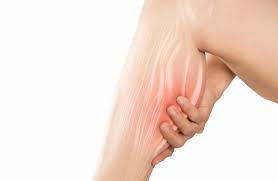
Myoclonus is a sudden muscle spasm (muscle stiffness). These muscle spasms are uncontrollable or cannot be consciously stopped. Myoclonus can involve a single muscle or a group of muscles. Muscle spasms generally occur in normal conditions like hiccups or indicate an underlying serious disease such as multiple sclerosis, dementia, or Parkinson's disease.
Causes
Myoclonus occurs because the nervous system does not function properly. Something activates your nerve cells and sends incorrect signals to your muscles. Several parts of the brain are suspected to be involved in myoclonus, although this is not yet fully understood. Sometimes, the cause is unknown.
If you have multiple sclerosis (a condition where the immune system attacks nerve cells), myoclonus can result from brain or spinal cord injury. Other nerve disorders that can cause myoclonus include:
- Stroke
- Brain tumor
- Alzheimer's disease
- Parkinson's disease
- Lewy body dementia, a type of dementia that causes a decline in thinking skills
- Head or spinal cord injury
- Nerve infections caused by bacteria, viruses, or other microbes
Non-neurological medical conditions that can cause myoclonus include:
- Kidney or liver failure
- Effects of high-dose opioid drugs
- Heart attack that reduces oxygen supply to the brain
- Metabolic issues like very low or high blood sugar or low calcium or sodium levels
Risk Factor
Myoclonus affects men and women equally. Additionally, if you have a family history of myoclonus, you are also at risk of developing it. This is the only known risk factor, although the genetic relationship is not yet identified.
Symptoms
The severity of myoclonus symptoms can range from mild to severe. Muscle spasms can be infrequent or frequent. Symptoms generally correspond to the underlying medical condition.
Muscle spasms or twitches in myoclonus have the following characteristics:
- Unpredictable
- Sudden and brief
- Uncontrollable
- Resemble jerks or shocks
- Irregular in intensity and frequency
- Occur in one part of the body or spread throughout the body
- Interfere with eating, speaking, or movement
There are several common types of myoclonus:
- Action Myoclonus
This is the most severe type of myoclonus. Action myoclonus can affect the arms, legs, face, and voice. Muscle twitches worsen when trying to move. This condition often results from a lack of oxygen or blood flow to the brain.
- Reflex Cortical Myoclonus
Originates from an excessive response of the brain's somatosensory cortex to nerve stimuli. Twitches can affect several muscles in one part of the body or many muscles simultaneously. This type worsens with movement in a certain direction.
- Palatal Myoclonus
Affects the back of the roof of the mouth. This type causes regular and rhythmic twitches on one or both sides of the roof of the mouth. It can also affect the face, tongue, throat, and diaphragm. The twitches are very rapid, up to 150 times per minute. Some people can hear clicking sounds in their ears along with the muscle twitches.
- Physiological Myoclonus
Occurs in healthy individuals and usually does not require treatment. This type includes hiccups, sleep-start myoclonus, spasms related to anxiety or exercise, and sudden infant muscle twitches during sleep.
- Sleep/Hypnic Myoclonus
Occurs when falling asleep and may not require treatment. However, it can indicate a more significant sleep disorder, such as restless leg syndrome (uncontrollable leg movement).
Diagnosis
Several tests can help identify and diagnose the cause of myoclonus. The doctor may ask about your medical history and symptoms, then perform an initial examination. The doctor may also recommend several tests such as:
- EEG (electroencephalography) to record the brain's electrical activity
- Imaging like MRI or CT scan to identify structural nerve issues or tumors
- EMG (electromyography) to measure muscle electrical activity to determine myoclonus patterns
- Laboratory tests to identify conditions affecting myoclonus, such as:
- Diabetes mellitus
- Metabolic problems
- Autoimmune diseases (body's defense cells attack its own parts)
- Kidney or liver problems
- Medications or toxins
Management
Myoclonus treatment depends on the underlying medical conditions like metabolic disorders, nerve diseases, medication effects, and others. These conditions need to be addressed first to alleviate myoclonus. However, myoclonus itself can be difficult to treat. In some cases, you may receive multiple medications. These medications affect different parts of the brain.
Typically, benzodiazepines are the first drugs doctors use. These drugs help relax muscles and reduce twitches. Common side effects include drowsiness and clumsiness. Therefore, doctors start with a small dose, then increase it until symptoms are controlled.
There are no universally effective drugs for myoclonus, and some therapies can worsen movement coordination or cognitive status. Therapy is usually given to patients with significant physical and social disabilities due to myoclonus.
In addition to medication, there is deep brain stimulation (DBS) therapy. In this procedure, a doctor implants electrodes in your brain and connects them with wires to a device placed in your chest. This device sends signals to block electrical signals causing myoclonus. DBS can reduce muscle twitches but, like other surgeries, carries risks. Currently, DBS is most commonly used to treat Parkinson's disease.
Complications
If there is no underlying condition causing myoclonus, muscle spasms may not be a problem in your daily life. Severe cases can cause movement issues, such as difficulties with eating, speaking, or walking. The doctor will help you reduce muscle twitches.
Additionally, medications prescribed to reduce myoclonus symptoms can have side effects like drowsiness, dizziness, fatigue, and instability while walking. Their effectiveness may also decrease with continuous use.
Prevention
Myoclonus is not always preventable. However, you can take some steps to reduce your risk and vulnerability to myoclonus, such as:
- Protecting yourself from brain injuries by wearing helmets during activities like cycling and motorcycling
- Contacting your doctor if you experience muscle twitches after starting a new medication so the doctor can adjust the treatment
When to See a Doctor?
If myoclonus symptoms become more frequent, persistent, or severe, inform your doctor for further examination, diagnosis, and treatment. If myoclonus is accompanied by symptoms of other diseases, the doctor can provide therapy for those conditions.
Looking for more information about other diseases? Click here!
- dr. Alvidiani Agustina Damanik
Booth, S., & Pichardo, G. (2022). Myoclonus. WebMD. Retrieved 28 September 2022, from https://www.webmd.com/multiple-sclerosis/myoclonus-muscle-twitching.
Giorgi, A., & Sampson, S. (2019). What You Need to Know About Myoclonus. Healthline. Retrieved 28 September 2022, from https://www.healthline.com/health/myoclonus.
Myoclonus - Symptoms and causes. Mayo Clinic. (2020). Retrieved 28 September 2022, from https://www.mayoclinic.org/diseases-conditions/myoclonus/symptoms-causes/syc-20350459.
Caviness, JN., Hurtig, HI., Eichler, AF. Treatment of Myoclonus. (2022). Retrieved 03 October 2022, from https://www.uptodate.com/contents/treatment-of-myoclonus?search=myoclonus&source=search_result&selectedTitle=2~150&usage_type=default&display_rank=2.