Definition
The lungs consist of alveoli (small sacs where air exchange occurs), blood vessels, and airways. All of these structures function to transport air and facilitate the exchange of oxygen and carbon dioxide. When there is repeated or continuous inflammation in the lungs due to irritants in the air or genetic diseases, the lung structure will be replaced by scar tissue. Scar tissue has different components and forms in the airways, blood vessels, and alveoli. Scar tissue is stiffer, thus impairing air exchange. This leads to a condition called interstitial lung disease.
Interstitial lung disease is a group of diseases characterized by the presence of scar tissue in the lungs. This group of diseases is also often referred to as pulmonary fibrosis. Interstitial lung disease is experienced by approximately 30 per 100,000 people in America per year, but it is estimated that there are more sufferers than those recorded.
When the lung structure has been replaced by scar tissue, it becomes irreversible or cannot heal. Medications can help slow the progression of the disease, but in most cases, the lungs cannot be reused and may require lung transplantation.
Causes
Lungs exposed to irritants, such as dust or asbestos, undergo an inflammatory process to remove the irritant and restore the lung structure. With repeated exposure, this inflammatory process does not proceed as it should, causing the tissue to not return to its original state and be replaced by scar tissue. Scar tissue is thick and rigid, thus hindering air exchange into the blood vessels. This causes symptoms of interstitial lung disease.
There are more than 200 causes of interstitial lung disease. Therefore, the causes of interstitial lung disease can be grouped into three major categories:
- Occupational and environmental exposure. Long-term exposure to toxins and pollutants can damage your lungs. These substances include silica, asbestos, bird droppings, radiation therapy, and indoor hot tubs.
- Medications. Some medications pose a risk of causing interstitial lung disease if not used as directed, including:
- Chemotherapy drugs, which are intended to kill cancer cells, such as methotrexate and cyclophosphamide, can damage the lungs.
- Heart rhythm medications such as amiodarone and propranolol can cause lung damage.
- Antibiotics such as nitrofurantoin and ethambutol can damage the lungs.
- Anti-inflammatory drugs such as rituximab and sulfasalazine can damage the lungs.
- Autoimmune medical conditions can cause interstitial lung disease, including:
- Rheumatoid arthritis
- Scleroderma
- Dermatomyositis
- Sjogren's syndrome
- Sarcoidosis
- Genetic
- Idiopathic. In some cases, the cause of interstitial lung disease is never precisely known.
Risk Factor
There are several risk factors that can increase the risk of developing interstitial lung disease, including:
- Age. Interstitial lung disease is more common in adults, although there are some cases involving infants and children.
- Exposure to substances. If you work in mining, agriculture, or construction, you have a higher risk of developing interstitial lung disease due to exposure to daily pollutants.
- GERD. If you frequently experience acid reflux or GERD, you are at higher risk.
- Smoking. Some cases of interstitial lung disease are caused by smoking habits, previous smoking history, and passive smoking. This is also associated with emphysema.
- Radiation and chemotherapy. Undergoing radiation therapy and chemotherapy in the chest area can increase your risk of developing interstitial lung disease.
Symptoms
The main symptom of interstitial lung disease is difficulty breathing. In addition, you may also experience:
- Shortness of breath
- Non-productive cough
- Decreased exercise capacity
- Feeling tired all the time
- Weight loss
Diagnosis
Establishing the diagnosis of interstitial lung disease and determining its cause is a challenge for doctors. Signs and symptoms of interstitial lung disease are also often found in other lung diseases, so additional tests are needed.
- Blood tests are needed to identify antibodies, proteins, and other autoimmune disease markers.
- Radiological examination
-
- A CT scan is the radiological examination used initially if the doctor suspects interstitial lung disease. CT scans can provide a more detailed picture of lung structure and determine the extent of lung damage.
- Echocardiogram is a test used to assess heart function.
- Pulmonary function tests
- Spirometry is a test that evaluates your lung function while breathing. Take a deep breath in, then exhale as quickly and forcefully as possible.
- Oximetry is a tool for determining the amount of oxygen in your blood vessels.
- Lung tissue examination is the gold standard for confirming interstitial lung disease. The doctor will take a sample from your lungs using several techniques, including bronchoscopy, bronchoalveolar lavage, or surgical biopsy.
Management
The treatment of interstitial lung disease aims to preserve the remaining lung function and stop disease progression. Treatment will depend on many factors, including the cause of the disease and its severity. Treatment options include:
- Medications: Anti-inflammatory drugs (steroids), rheumatology drugs, and fibrosis inhibitors can help stop the inflammatory process in the lungs.
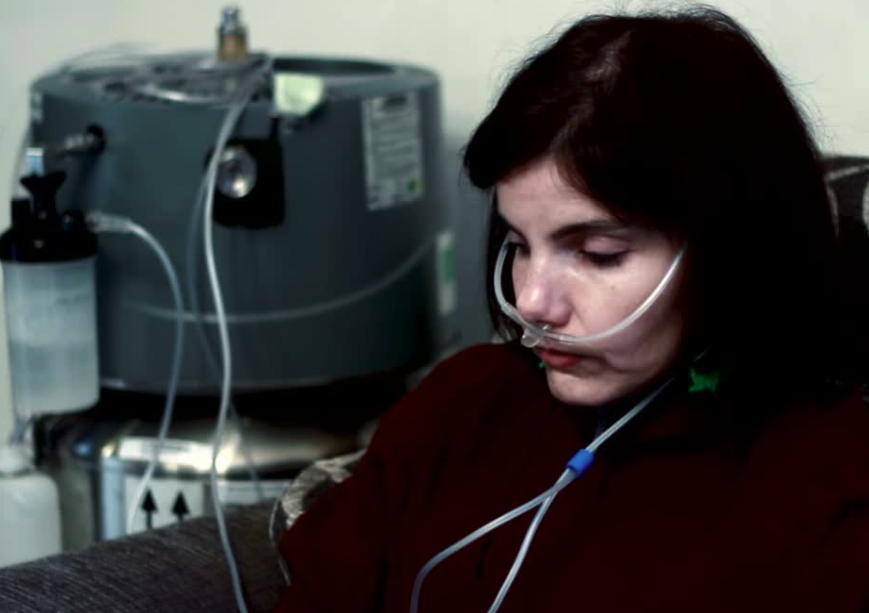
- Oxygen therapy: Oxygen therapy can help increase oxygen levels in your blood.
- Pulmonary rehabilitation: Pulmonary rehabilitation consists of a set of exercises and modifications aimed at training your lungs to breathe optimally.
- Lung transplantation: Lung transplantation is performed for people with severe interstitial lung disease.
There are no medications that can cure interstitial lung disease. When scar tissue changes have occurred, this condition cannot be reversed.
Complications
Interstitial lung disease can cause several dangerous complications, including:
- Pulmonary hypertension. This condition only affects blood flow in the heart and lungs, not the blood pressure, you know. It results from changes in the lungs' structure that create stiff scar tissue, which puts more strain on the blood vessels that supply the lungs.
- Cor pulmonale. Cor pulmonale is a type of right heart failure in which the right ventricle of the heart thickens in response to pressure on the lungs. The right ventricle accommodates blood from all over the body, so swelling in this structure inhibits blood flow into the heart, resulting in right heart failure.
- Respiratory failure. Respiratory failure is the end stage of interstitial lung disease. Low blood oxygen levels cause respiratory failure.
Prevention
Genetically caused interstitial lung disease cannot be prevented. However, you can reduce the risk of developing interstitial lung disease by controlling other causes with the following steps:
- Use face protection such as respirators when exposed to hazardous substances
- Stop smoking
- Get flu and pneumonia vaccinations to prevent infectious diseases
When to See a Doctor?
Many other lung conditions produce symptoms similar to interstitial lung disease. You need to consult your doctor and undergo some tests to establish this diagnosis. However, the above symptoms can be one of the signs that the interstitial lung disease process has occurred.
Looking for more information about other diseases? Click here!
- dr. Alvidiani Agustina Damanik
Antoine M, Mlika M. Interstitial Lung Disease. [Updated 2021 Aug 3]. In: StatPearls [Internet]. Treasure Island (FL): StatPearls Publishing; 2022 Jan-. Available from: https://www.ncbi.nlm.nih.gov/books/NBK541084/
Cattamanchi A. (2022). Interstitial Lung Disease. Healthline. Available from: https://www.healthline.com/health/interstitial-lung-disease#types
Cleveland Clinic. (2018). Interstitial Lung Disease. Available from: https://my.clevelandclinic.org/health/diseases/17809-interstitial-lung-disease
John Hopkins Medicine. Interstitial Lung Disease: Pulmonary Fibrosis. Available from: https://www.hopkinsmedicine.org/health/conditions-and-diseases/interstitial-lung-disease-pulmonary-fibrosis
Mayo Clinic. (2017). Interstitial Lung Disease. Available from: https://www.mayoclinic.org/diseases-conditions/interstitial-lung-disease/symptoms-causes/syc-20353108