Kinesio tape has become a popular therapy aid, especially among athletes. This elastic material is designed to support muscle movement, reduce pain, alleviate swelling, and relieve muscle spasms. In this article, we will explore the benefits of kinesio tape and provide guidance on how to use it properly.
What is Kinesio Tape?
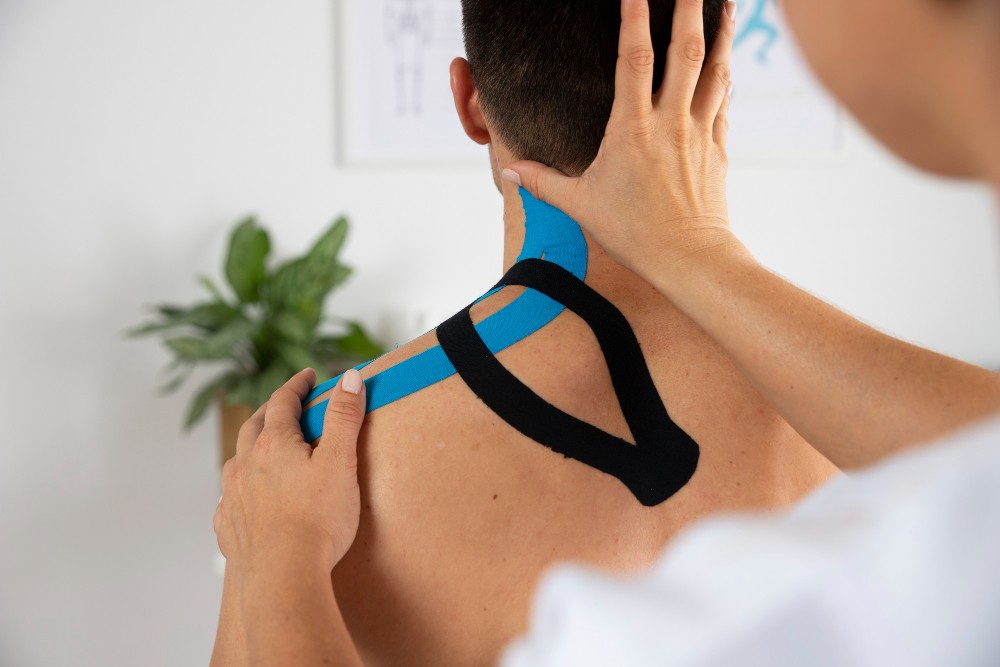
Kinesio tape is an elastic adhesive used to treat injuries and relieve issues that interfere with a person's mobility. It works by applying strips of Kinesio tape to the body in specific patterns, helping support muscles, joints, and tendons while improving overall movement.
Originally developed by Dr. Kenzo Kase, a Japanese chiropractor, in the late 1970s, Kinesio tape was designed to assist muscle movement, provide pain relief, and avoid restricting mobility. Dr. Kase's goal was to create an elastic tape that wouldn't limit movement, as opposed to traditional athletic tape, which is typically used to support and restrict movement during pain or injury.
While Kinesio tape looks similar to athletic tape, there are key differences between the two:
-
Kinesio tape helps with movement, reduces pain, and prevents muscle spasms, whereas traditional athletic tape is used to support and limit movement during pain or injury.
-
Kinesio tape is flexible and stretches with the body, while athletic tape is rigid and does not offer flexibility.
-
Kinesio tape promotes lymphatic flow and improves circulation, while traditional athletic tape can restrict circulation.
Today, Kinesio tape is made from a special blend of cotton and nylon. It is designed to mimic the elasticity of the skin, allowing for a full range of motion. The tape is waterproof and durable enough to stay in place for 3-5 days, even when exposed to sweat or water.
How Kinesio Tape Works
When Kinesio tape is applied to the skin, it gently lifts the skin away from the underlying tissue. This lifting mechanism is believed to create microscopic space between the skin and the tissues beneath it, reducing joint irritation and encouraging proper circulation.
By improving blood and fluid flow, Kinesio tape helps reduce swelling in the injured area. This extra space created by the tape increases lymphatic fluid flow, which can speed up the healing of bruises and reduce inflammation.
How to Use Kinesio Tape
Kinesio tape comes in different forms, including "I", "X", "Y" strips, fan strips, and lifters. The choice of strip will depend on the area being treated and the desired effect.
Here’s how to properly apply Kinesio tape:
-
Make sure the area where you will apply the tape is clean and dry before starting.
-
Cut the tape to the required length based on the treatment area.
-
Apply the Tape: Carefully stick the tape to the desired area of your body. Avoid touching the adhesive part to maintain its stickiness.
-
When applying the tape, don’t pull it too tightly, as this can negatively affect blood circulation.
-
When stretching the tape, ensure that you pull it in the correct direction, typically in the opposite direction of where you want the tape to go.
-
Once the tape is applied, gently press down on it to secure it in place and ensure proper adhesion.
Kinesio tape can provide relief for pain, muscle spasms, and help improve circulation, which can be especially beneficial for bruises or injuries. However, it is always advisable to consult a doctor or healthcare professional before using Kinesio tape for therapy, especially if you are new to the treatment.
You can also take advantage of the consultation feature on the Ai Care app, available for download on the App Store or Play Store, for professional advice regarding kinesio tape use.
Looking for more information about health tips and tricks, first aid, and other home remedies? Click here!
- dr Hanifa Rahma
WebMD Editerial Contributors. (2024). How to Tape Your Knee. Available from: https://www.webmd.com/fitness-exercise/how-to-tape-knee
Sears, B. (2023). What Does Kinesiology Tape Do?. Available from: https://www.verywellhealth.com/kinesiology-tape-in-physical-therapy-2696435
HSS EDU. Kinesiology Tape: What It Is and How to Use It. Available from: https://www.hss.edu/article_kinesiology-tape.asp
Kinesio Taping. Kinesio Tape: Made with Everyone in Mind. Available from: https://kinesiotaping.com/about/what-is-kinesio-tape/