Definition
A homocysteine test is performed to measure the level of homocysteine in your blood. Homocysteine is an amino acid, a type of molecule that plays a vital role in the body's protein production process.
Under normal circumstances, homocysteine levels in the body remain low. This is because the body utilizes vitamins such as B12, B6, and folic acid (also known as vitamin B9) to quickly break down homocysteine, converting it into other substances needed for bodily functions. However, elevated homocysteine levels can indicate a disruption in this process, often due to a deficiency in these key B vitamins.
Increased levels of homocysteine can damage the walls of your blood vessels, leading to a higher risk of developing abnormal blood clots. This condition is associated with an increased risk of heart attacks, strokes, heart disease, and other vascular diseases. Monitoring homocysteine levels is an essential tool for identifying potential cardiovascular risks.
Indication
A homocysteine test can be helpful in several situations:
-
Identify vitamin B6, B12, or folate deficiency: These vitamins play a crucial role in breaking down homocysteine. If you are deficient in any of these vitamins, homocysteine levels will increase. A homocysteine test can be performed alongside a blood test to measure levels of these vitamins and help diagnose any deficiencies.
-
Diagnose homocystinuria: This is a rare genetic condition that prevents the body from utilizing certain amino acids to produce essential proteins. Symptoms of homocystinuria typically appear in the first year of life, although they may not become noticeable until later in childhood or adulthood. Common symptoms include vision problems, blood clots, and brittle bones.
-
Assess heart attack or stroke risk: If you are diagnosed with heart disease or other cardiovascular issues, or if you have risk factors such as high blood pressure, high cholesterol, or diabetes, a homocysteine test may help assess your risk of having a heart attack or stroke.
If you are showing symptoms suggesting you may lack vitamin B12 or folate, a homocysteine test can help confirm whether this is the case. Symptoms may range from mild to severe and include:
-
Dizziness
-
Fatigue or weakness
-
Headaches
-
Heart palpitations
-
Changes in skin or nail color
-
Sores inside the mouth or on the tongue
-
Tingling or numbness in the extremities (hands, feet, arms, and/or legs)
Your doctor may recommend a homocysteine test if you are at higher risk for vitamin B12 or folate deficiency due to:
-
Malnutrition
-
Older age (since the ability to absorb vitamin B12 from food diminishes with age)
-
Alcoholism or drug dependency
If you’ve had a heart attack or stroke, your doctor may use a homocysteine test to help evaluate your health. The test may also be recommended if you have conditions that increase your risk of heart attack or stroke, such as high LDL cholesterol or high blood pressure.
Contraindication
Contraindications for blood sampling primarily concern conditions at the blood collection site. For instance, if there is an infection, drawing blood could increase the risk of bacteria entering the bloodstream.
Blood vessel grafts, bruising, and arteriosclerosis (hardening of the arteries) are also contraindications, as they can make blood collection more difficult and potentially unsafe.
Preparation Before the Test
You may be asked to fast for 8-12 hours before the homocysteine test to ensure accurate results. Certain medications and supplements, especially vitamin B supplements, can interfere with the test. It is important to inform your doctor about any medications or supplements you are taking before the test. However, do not stop any prescribed medication without consulting your doctor first.
Test Procedure
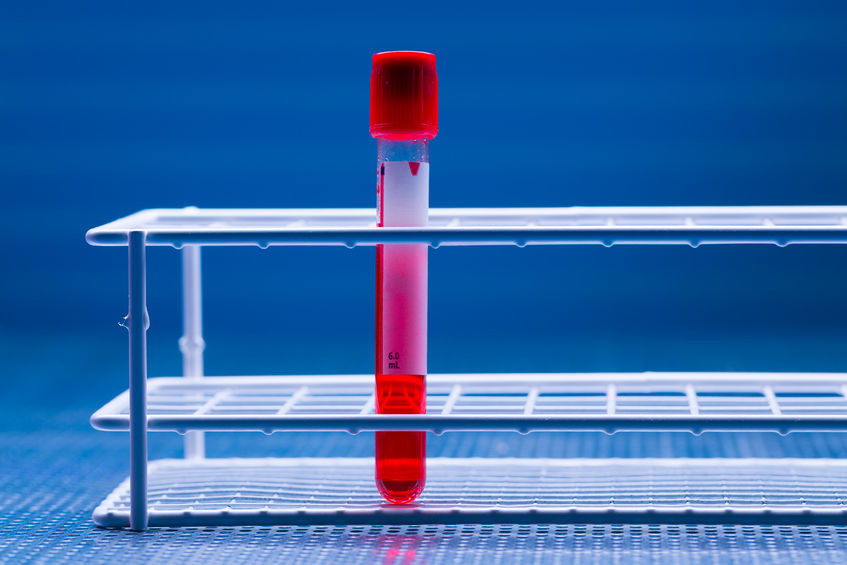
The homocysteine test requires a blood sample, which is typically drawn from a vein in your arm using a small needle. You may feel a brief pinch as the needle is inserted, but the procedure usually takes just a few minutes. Once the blood is collected, it will be placed in a test tube or vial and sent to the laboratory for analysis.
Normal and Abnormal Values
The normal range for homocysteine levels is generally considered to be less than 15 micromoles per liter (µmol/L). When levels exceed this range, they are categorized as follows:
Results and Recommendations (Follow-up Tests)
High homocysteine levels can be an indication of several potential health concerns:
-
You may not be getting sufficient vitamin B12 or folate from your diet, which are essential for breaking down homocysteine.
-
If you or your child have elevated homocysteine levels, it may indicate homocystinuria, a rare genetic disorder. Additional testing will be required to confirm or rule out this diagnosis.
-
High homocysteine levels are also linked to a greater risk of developing heart disease, stroke, and other blood vessel diseases.
Elevated homocysteine can also be associated with conditions like osteoporosis, chronic kidney disease, hypothyroidism, Alzheimer's disease, or other forms of dementia.
It is important to note that high homocysteine levels do not always indicate the presence of a specific medical condition that requires immediate treatment. Several factors can influence the results of your test:
-
Age. Homocysteine levels tend to increase as you age.
-
Gender. Men generally have higher homocysteine levels than women, although women’s levels tend to rise after menopause.
-
Smoking.
Consult the Right Doctor
If you have elevated homocysteine levels, consult your general practitioner (GP) to discuss your test results. Abnormal results do not necessarily mean you have a specific disease, but your doctor can help interpret the findings.
Your doctor may recommend adjusting your diet, especially by increasing your intake of vitamin B12, B6, and folate. If there are concerns about other medical conditions, your doctor may suggest additional tests or refer you to an internist or a specialist for further evaluation.
Looking for more information about laboratory, radiology, and other examination results? Click here!
- dr Hanifa Rahma
Homocysteine test: Medlineplus medical test (2022) MedlinePlus. Available at: https://medlineplus.gov/lab-tests/homocysteine-test/ (Accessed: 15 May 2023).
Homocysteine (no date) Homocysteine - Health Encyclopedia - University of Rochester Medical Center. Available at: https://www.urmc.rochester.edu/encyclopedia/content.aspx?ContentTypeID=167&ContentID=homocysteine (Accessed: 15 May 2023).
Homocysteine test: Purpose, procedure & results (2022) Cleveland Clinic. Available at: https://my.clevelandclinic.org/health/diagnostics/22393-homocysteine-test (Accessed: 15 May 2023).