
Definition
Diphtheria is a highly contagious infection caused by the bacteria Corynebacterium diphtheriae. This bacteria produces toxins that lead to the formation of a thin, grayish membrane in the throat, which can cause significant difficulty in swallowing or breathing. Within two to three days of infection, tissue affected by the toxin will form a distinct lump covered by a grayish layer. This membrane can result in inflammation of the vocal cords, sore throat, tonsils, and nose. As the infection progresses, patients may find it increasingly difficult to breathe or swallow.
There are two primary forms of diphtheria: classical respiratory diphtheria and cutaneous diphtheria. Respiratory diphtheria is the more common type and affects areas such as the nose, respiratory tract, tonsils, or larynx (vocal cords). Cutaneous diphtheria, on the other hand, is a rare form of the infection characterized by skin rashes. Diphtheria spreads easily through airborne droplets or through contact with personal belongings of an infected person.
The diagnosis of diphtheria is made based on the symptoms presented and confirmed through laboratory tests. If a doctor suspects diphtheria, treatment is typically initiated immediately, often before lab results are available. The treatment generally includes administering diphtheria antitoxin to prevent damage to the organs, along with antibiotics like penicillin or erythromycin to combat the bacterial infection.
Infected patients are usually isolated to prevent the spread of the infection. Diphtheria patients are not contagious after about 48 hours of antibiotic treatment. Once the infection is cleared, follow-up lab tests will confirm the absence of the bacteria. Afterward, the patient will receive a vaccine to help prevent future infections.
Indication
The diphtheria staining test is performed when a doctor identifies symptoms of diphtheria, such as a dark grayish membrane covering the throat and tonsils, a sore throat, hoarseness, swollen lymph nodes in the neck, difficulty breathing or rapid breathing, fever and chills, and fatigue.
In some cases, infections caused by Corynebacterium diphtheriae may present with mild or even no symptoms at all. Additionally, the diphtheria staining test is used to monitor the success of treatment or to confirm whether a person has fully recovered from the infection. It is typically performed both at the initial stage of diagnosis and after the patient has undergone treatment.
Contraindication
The diphtheria staining test is considered to be safe, with moderate associated risks. There are no specific contraindications for this test. It involves taking a throat swab sample, which is a relatively low-risk procedure.
Preparation Before the Test
No special preparation is required for the diphtheria staining test. However, if you are undergoing other tests at the same time, you may be asked to fast for several hours prior to the procedure. It is important to inform your doctor about any medications, vitamins, or supplements you are currently taking.
Test Procedure
The diphtheria staining test involves collecting samples from the throat, which may include mucus, phlegm, sneezes, watery eye fluids, or other fluids from the throat. Healthcare professionals performing the test will use specialized equipment and follow strict safety protocols, including wearing masks and eye protection. Additionally, those collecting the samples will have been vaccinated and given a diphtheria booster to ensure their safety.
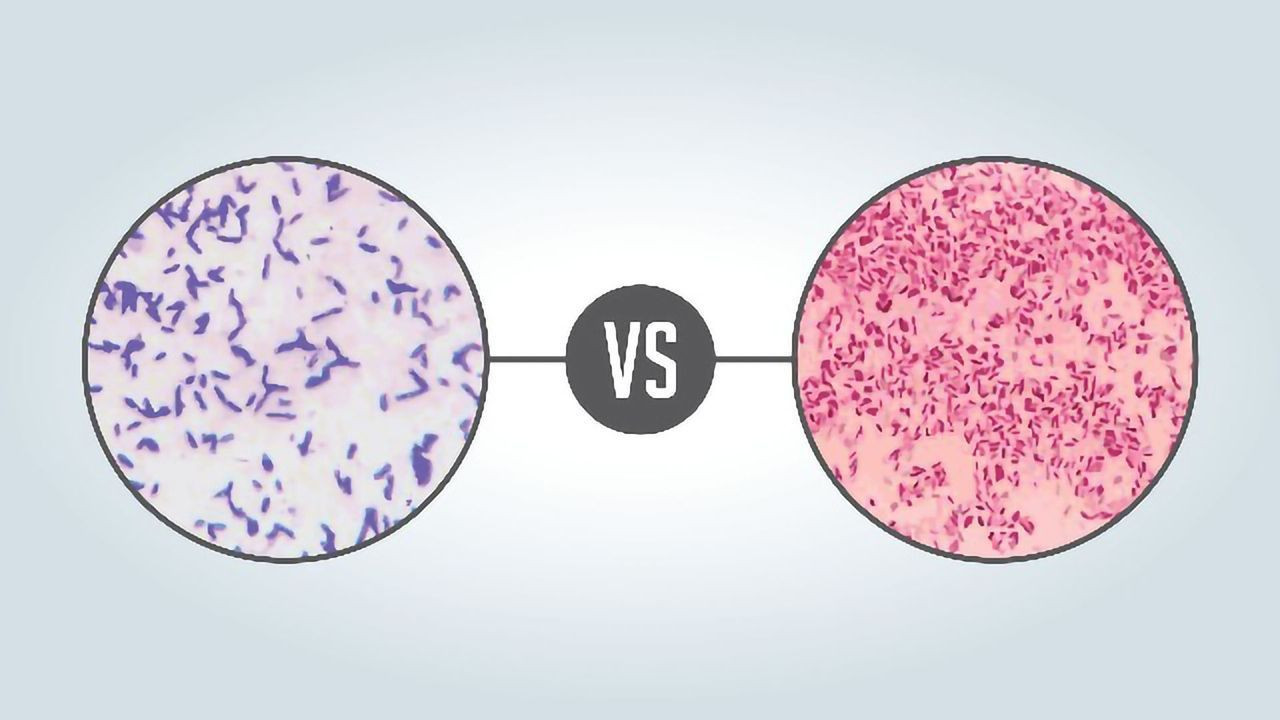
The sample is taken by swabbing the throat or respiratory tract and isolating the bacteria. Once collected, the sample is treated with a special dye that stains the bacterial walls, allowing the diphtheria bacteria to be distinguished from other microorganisms under a microscope.
Test results typically become available within 2 to 3 days. Samples should be processed immediately, or if there is a delay, they must be stored at a temperature between 4-8 degrees Celsius to preserve their viability for testing.
Normal and Abnormal Values
A normal diphtheria staining result is generally negative, indicating no presence of Corynebacterium diphtheriae. Meanwhile, an abnormal (positive) result indicates the presence of diphtheria-causing bacteria.
Results and Recommendations (Follow-up Tests)
Normal Results
A negative diphtheria staining result suggests that there is no diphtheria infection. It is still important to maintain good health by consuming a balanced diet, staying physically active, and undergoing regular health check-ups. However, note that diphtheria staining tests have lower sensitivity, so false negatives are possible.
Abnormal Results
A positive result indicates the presence of Corynebacterium diphtheriae bacteria. If the result is positive, especially if the patient is experiencing difficulty breathing, immediate treatment is necessary.
Consult the Right Doctor
If the diphtheria staining result is positive, you should consult with a general practitioner to confirm the diagnosis and initiate treatment. Depending on the severity of the condition, further tests may be recommended to fully assess the infection. For more detailed information and treatment, particularly in children, a pediatrician can provide specialized care and guidance.
Looking for more information about laboratory, radiology, and other examination results? Click here!
- dr Hanifa Rahma
Diphtheria. (2022). Retrieved 16 May 2023, from https://my.clevelandclinic.org/health/diseases/17870-diphtheria
Diphtheria. (2023). Retrieved 16 May 2023, from https://www.cdc.gov/diphtheria/index.html
Diphtheria. (2022). Retrieved 16 May 2023, from https://www.ncbi.nlm.nih.gov/books/NBK560911/
Diphtheria. (2022). Retrieved 16 May 2023, from https://www.mayoclinic.org/diseases-conditions/diphtheria/symptoms-causes/syc-20351897
Diphtheria. (2022). Retrieved 16 May 2023, from https://www.nhs.uk/conditions/diphtheria/
Diphtheria. (2022). Retrieved 16 May 2023, from https://emedicine.medscape.com/article/782051-overview