
Definition
The Gaal culture is a blood culture test used to detect the presence of Salmonella typhi bacteria. A blood culture test involves analyzing a sample of blood to identify microorganisms, such as bacteria and fungi, that may cause infections. This test has been widely used across the globe for many years to diagnose infections and determine the type of microorganisms present in the bloodstream.
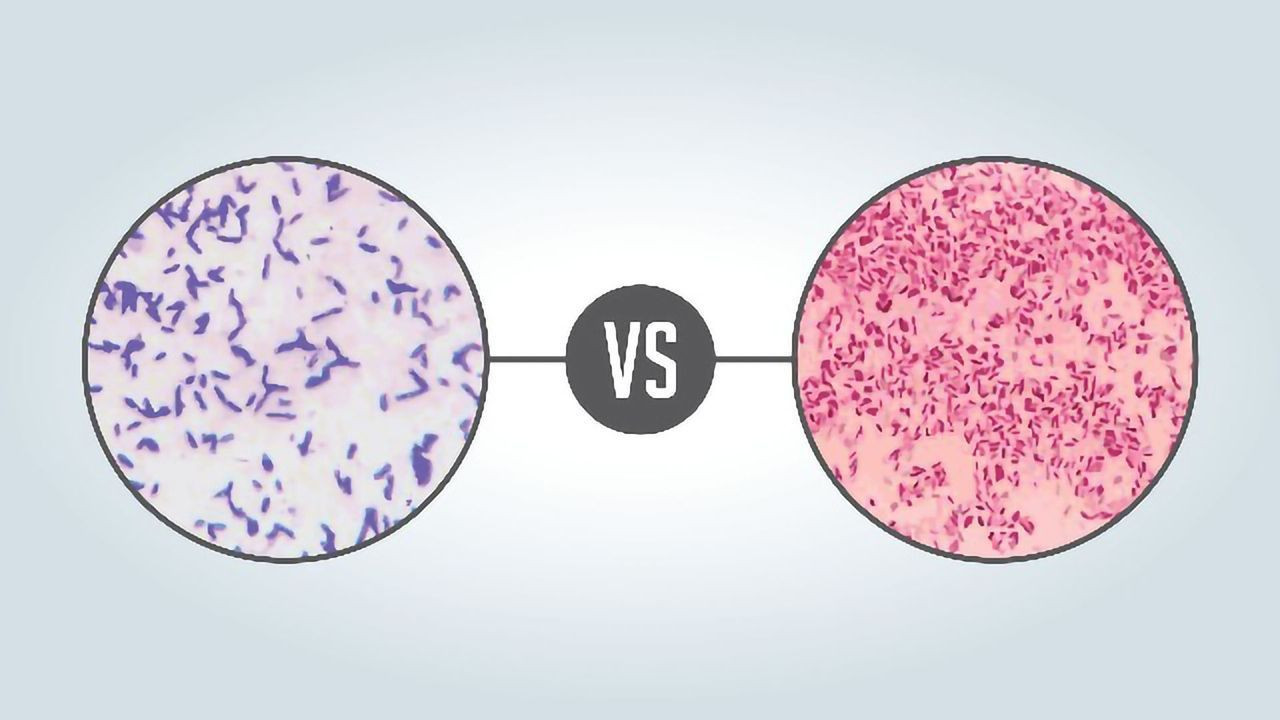
Salmonella typhi is a type of bacteria responsible for causing typhoid fever, a potentially life-threatening infection. This bacterium is typically transmitted through consumption of contaminated food or water. Upon ingestion, the bacteria multiply and spread throughout the bloodstream.
According to global health authorities, including the World Health Organization (WHO), the definitive diagnosis of typhoid fever is based on identifying Salmonella typhi bacteria through blood culture (Gaal culture). Testing for Salmonella typhi early in the course of a typhoid infection is considered optimal for ensuring an accurate diagnosis. The Gaal culture is positive in 85-90% of typhoid fever patients if conducted within the first week of symptom onset.
An accurate diagnosis of typhoid fever is essential to ensure that patients receive timely and appropriate medical treatment.
Indication
A Gaal culture test is performed if a healthcare provider suspects a Salmonella typhi infection (typhoid fever). Typhoid fever can range from mild symptoms, such as a low-grade fever and diarrhea, to more severe symptoms leading to critical illness due to a serious infection.
Common symptoms of typhoid fever include:
-
Prolonged fever
-
Fatigue
-
Headache
-
Nausea
-
Loss of appetite
-
Generalized abdominal discomfort
-
Constipation or diarrhea
-
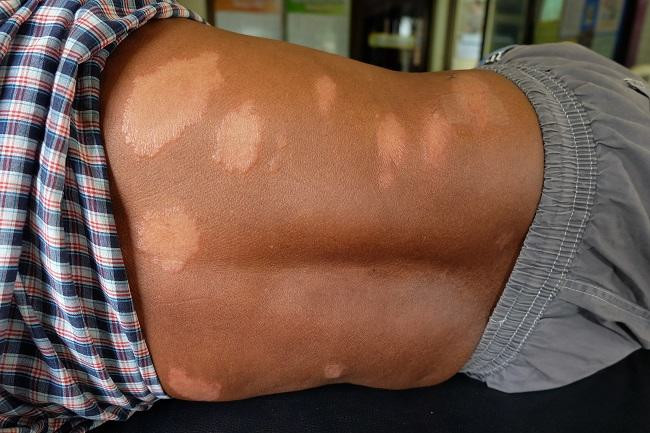
Rash
These symptoms are common to several other illnesses, including malaria, lung infections, influenza, and other febrile diseases, which may lead to misdiagnosis. Therefore, more precise testing is needed to differentiate typhoid fever from other conditions.
Contraindication
Contraindications to blood sampling primarily relate to issues at the site of the blood draw. For example, infections at the sampling site increase the risk of introducing bacteria into the bloodstream during the procedure.
Other contraindications may include the presence of blood vessel grafts, bruising, hardening of the arteries, or a history of radical mastectomy on the side of the arm to be used for the injection. These factors can complicate the blood collection process and may require alternative sampling methods.
Preparation Before the Test
No special preparations are required before undergoing a Gaal culture test. However, it is important to inform your doctor about any medications you are currently taking, particularly antibiotics, as they could influence the results of the test. Never stop or adjust the dosage of your medications without consulting your doctor.
Test Procedure
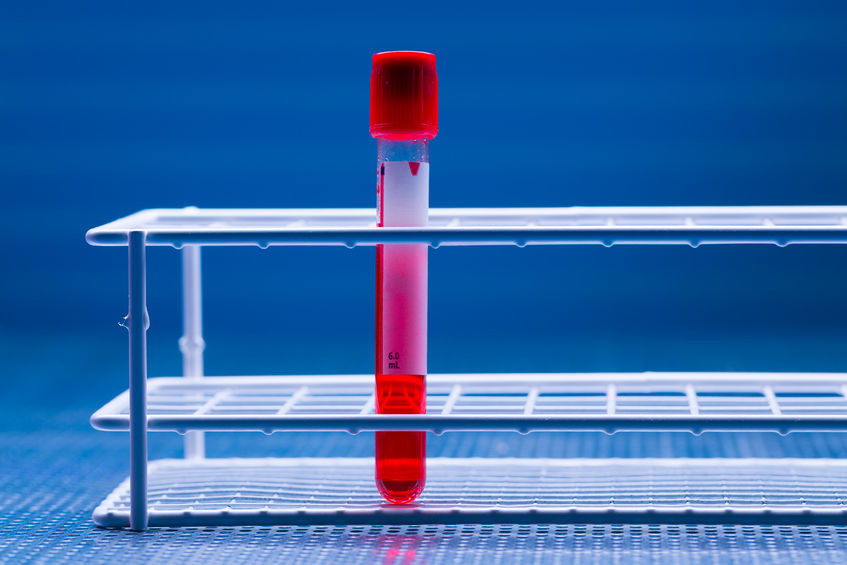
For the Gaal culture, a healthcare professional will draw a blood sample from a vein in your arm using a small needle. After the needle is inserted, a small amount of blood will be collected into a vial or test tube. You may feel a slight discomfort when the needle is inserted or removed, but the procedure is usually completed in less than five minutes.
Once the blood sample is collected, it will be placed in a specialized container containing a medium that supports the growth of microorganisms. The sample is then incubated at a temperature of 37°C for at least seven days, allowing time for any bacteria or microorganisms to grow. During this period, the sample is closely monitored for microbial growth.
Normal and Abnormal Values
The results of the Gaal culture test are reported as either positive or negative.
Results and Recommendations (Follow-up Tests)
A positive result from the Gaal culture indicates the presence of Salmonella typhi bacteria in your bloodstream, confirming the diagnosis of typhoid fever. A negative result means the bacteria were not detected in the blood sample.
The Gaal culture is a reliable and widely regarded test for detecting microorganisms that cause infections, and a positive result is typically enough to begin treatment promptly to manage the infection. However, your doctor will consider additional factors such as your symptoms, medical history, and results from other tests before finalizing the diagnosis or recommending a treatment plan.
In some cases, further tests may be needed, including:
-
Stool culture: This test can still yield positive results during the later stages of illness, as the bacteria are excreted through the digestive tract.
-
Bone marrow fluid culture: This test remains positive for up to five days after starting antibiotics, but it is rarely used due to its invasive nature and associated discomfort.
-
Serology test: This test detects antibodies or antigens to Salmonella. The Widal test, a common method for diagnosing typhoid fever, is no longer as widely recommended due to its lack of specificity and sensitivity. However, it can still support a diagnosis, provided it is confirmed with culture results or bacterial DNA findings.
-
Polymerase chain reaction (PCR): PCR is sometimes used to detect bacterial DNA and diagnose typhoid fever with varying degrees of success.
Consult the Right Doctor
If your Gaal culture test result is positive, it is important to consult with a general practitioner, who will evaluate your symptoms, physical examination results, and other laboratory tests to provide a diagnosis.
If diagnosed with typhoid fever, your doctor will prescribe antibiotics to treat the infection.
Looking for more information about laboratory, radiology, and other examination results? Click here!
- dr Hanifa Rahma
John L Brusch, M. (2022) Typhoid fever workup, Approach Considerations, Laboratory Studies, Imaging Studies. Available at: https://emedicine.medscape.com/article/231135-workup#c3 (Accessed: 20 May 2023).
Typhoid diagnostics (no date) Take on Typhoid. Available at: https://www.coalitionagainsttyphoid.org/the-issues/typhoid-diagnostics/ (Accessed: 20 May 2023).
Typhoid (no date) World Health Organization. Available at: https://www.who.int/news-room/fact-sheets/detail/typhoid#:~:text=Typhoid%20fever%20is%20a%20life,and%20spread%20into%20the%20bloodstream. (Accessed: 20 May 2023).