Definition
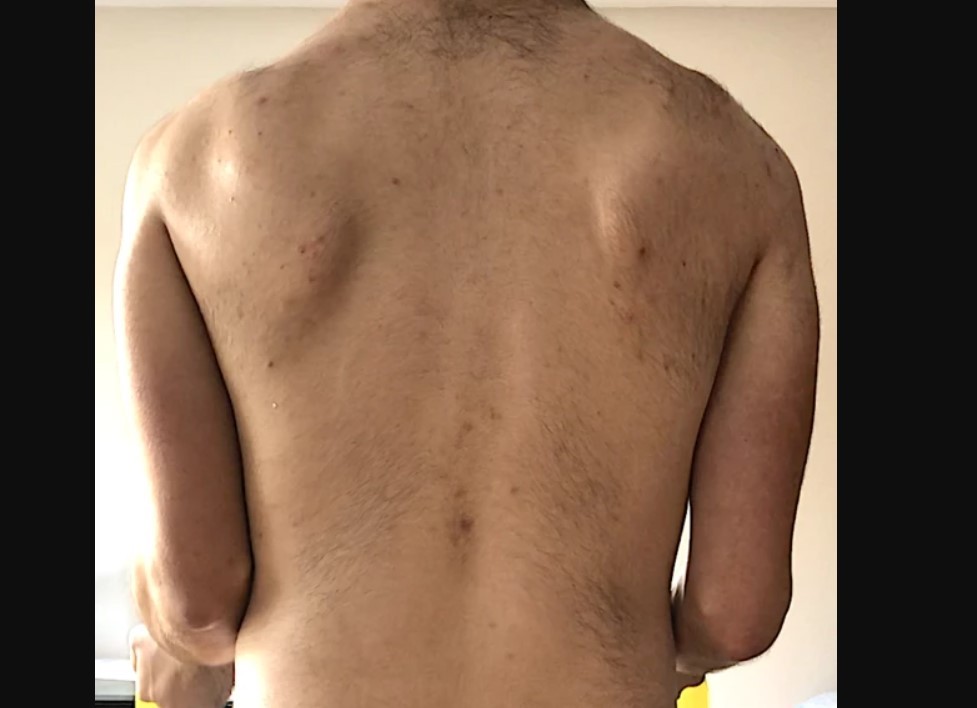
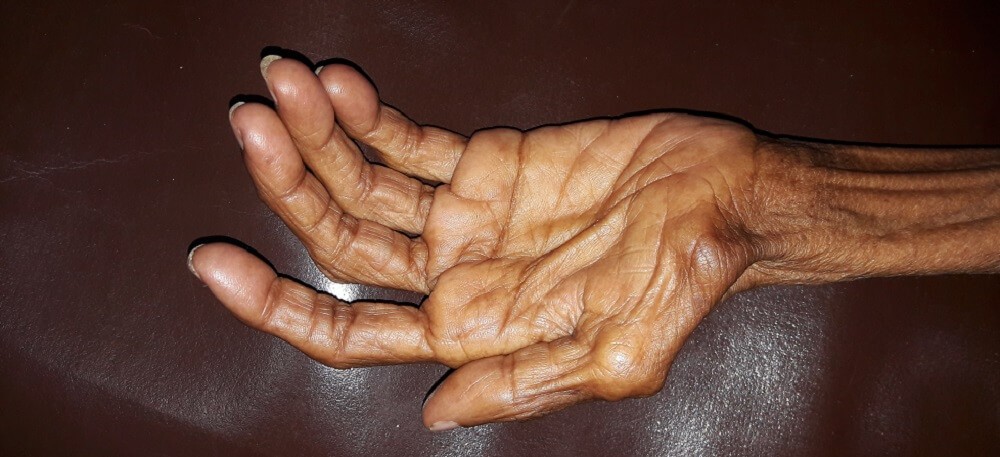
Muscle atrophy is the shrinking or thinning of muscle tissue, resulting in a reduction in muscle mass and strength, making the muscles appear smaller than normal. There are two types of muscle atrophy:
- Physiological muscle atrophy occurs when muscles are not used due to a lack of physical activity.
- Neurogenic muscle atrophy happens when muscles shrink due to nerve damage or disease.
The process of muscle shrinking depends on factors such as age, fitness level, and the underlying cause of the atrophy. In physiological muscle atrophy, muscles generally begin to shrink within 2-3 weeks if they are not used. In contrast, neurogenic muscle atrophy, caused by medical conditions, can result in muscle shrinking much faster, depending on the individual’s health.
Causes
Physiological Atrophy
In this condition, muscles shrink due to prolonged inactivity and lack of contraction. When someone stops using their muscles and does not receive adequate nutrition, the body compensates by breaking down muscle tissue for energy. As a result, muscle mass and strength decrease, leading to physiological muscle atrophy. However, this type of atrophy can be reversed with exercise and improved nutrition.
Neurogenic Atrophy
Neurogenic muscle atrophy occurs due to injury or nerve disorders related to muscles. When nerves are damaged, they cannot send signals to activate the muscles. Without contraction, the body considers these muscles unnecessary and begins to break them down, reducing their size and strength.
Medical conditions that can affect nerves and cause neurogenic atrophy include:
- Amyotrophic Lateral Sclerosis (ALS): A progressive nerve disorder affecting the nerves in the brain and spinal cord, which can lead to muscle atrophy.
- Polio: An infection that attacks the central nervous system.
- Carpal Tunnel Syndrome: A condition affecting the hands.
- Spinal cord injury: Damage to the spinal cord nerves.
- Multiple Sclerosis (MS): A condition involving damage to the nerve sheath in the central nervous system.
- Guillain-Barre Syndrome: An autoimmune disease that rapidly causes muscle weakness.
- Stroke: A condition that affects the brain’s blood flow.
Other Medical Conditions
Additional factors that can cause muscle atrophy include:
- Severe burns
- Alcohol-related muscle disorders, where excessive long-term alcohol consumption causes muscle pain and weakness
- Long-term use of corticosteroid medications
- Injuries such as fractures
- Genetic conditions
- Muscle loss due to aging
Risk Factor
Certain factors increase the risk of muscle atrophy, such as:
- Sedentary lifestyle
- Lack of sufficient physical exercise over a prolonged period.
- Jobs that involve sitting all day without accompanying exercise.
- Severe malnutrition. Lack of adequate protein necessary for muscle function.
- Prolonged bed rest. When a patient is unable to move their body for an extended time.
- Neurological disorders. Conditions affecting the nerves related to muscles.
- Aging. As people age, muscle mass gradually decreases, leading to atrophy.
Symptoms
The symptoms of muscle atrophy vary depending on the cause. The most obvious sign is a decrease in muscle mass. Other symptoms may include:
- Weakness or decreased strength in the muscles of the arms or legs on one side
- One arm or leg appearing smaller or shorter than the other
- Muscles that appear smaller than normal but not shorter
- Numbness or tingling in the arms or legs
- Difficulty walking or maintaining balance
- Facial muscle weakness
- Difficulty swallowing or speaking
Diagnosis
A doctor will ask detailed questions about your medical history, including:
- Your current symptoms
- Any history of injuries or other medical conditions
- Your treatment history
- Your physical activity and lifestyle
The doctor will then examine your body to assess muscle size and your ability to use them. Additional tests may be needed to support the diagnosis, such as:
- Blood tests
- Muscle or nerve biopsy
- Electromyography (EMG) to evaluate muscle response or electrical activity in skeletal muscles
- Nerve conduction studies
- Imaging tests such as X-rays, CT scans, or MRI
Management
The treatment for muscle atrophy depends on the type of atrophy, whether physiological or neurogenic. For physiological atrophy, muscle shrinkage occurs due to prolonged inactivity and lack of contraction. This type of atrophy can be reversed if the patient improves their nutrition and begins regular physical activity or exercise. The doctor may recommend physical therapy or create a personalized exercise plan. They may also work with a nutritionist to develop a healthy diet plan and suggest nutritional supplements if necessary.
In cases of neurogenic muscle atrophy due to nerve disorders, specific physical therapy known as electrical muscle stimulation may be used. The therapist places electrodes on the skin over the atrophied muscle, sending small electrical impulses to the nerves and muscles to induce contraction.
There is currently no definitive cure for muscle atrophy, and treatments are still being researched. The time required to regain muscle mass after atrophy depends on the type of atrophy and the severity of the initial condition. Physiological muscle atrophy usually can return to normal, but it will not happen quickly. You can regain muscle mass with regular exercise and a healthy diet. Improvement may be seen after a few months, but it may take longer to fully restore muscle strength.
Complications
Muscle atrophy can lead to conditions such as:
- Bedsores (decubitus ulcers): These can develop due to prolonged pressure on certain parts of the body, often occurring when someone is bedridden for an extended period.
- Blood clots: Lack of muscle movement can lead to the formation of blood clots in the arms or legs due to reduced circulation.
Prevention
To prevent muscle atrophy before it occurs, consider the following:
- Stay Physically Active
Prolonged lack of physical activity is known to contribute to muscle atrophy, which can worsen overall physical capability. Engaging muscles regularly can help reverse physiological muscle atrophy.
- Physical Therapy
For individuals with certain neurological conditions, undergoing physical therapy and rehabilitation is crucial. Physical therapy allows participation in scheduled and planned activities that aid in recovery and help regain muscle strength.
- Passive Movement
One way to begin physical activity before you are ready for active therapy is through passive movements. In this approach, a therapist will gently move your arms and legs. This is often done in hospitals or facilities for stroke survivors who cannot move independently.
- Ensure Adequate Nutrition
Gradually increasing nutritional intake and physical activity can help prevent muscle atrophy and help muscles return to their normal size and shape.
When to See a Doctor?
You should consult a doctor for a comprehensive health check if you suspect you may have muscle atrophy or if you cannot move normally. There could be an underlying medical condition causing the atrophy that requires treatment.
Looking for more information about other diseases? Click here!
- dr. Alvidiani Agustina Damanik
Muscle Atrophy: Causes, Symptoms & Treatment. (2022). Retrieved 2 August 2022, from https://my.clevelandclinic.org/health/diseases/22310-muscle-atrophy.
Muscle Atrophy: Causes, Symptoms, and Diagnosis. (2022). Retrieved 3 August 2022, from https://www.healthline.com/health/muscle-atrophy#takeaway.
Get Info on the Causes, Prevention and Reversal of Muscle Atrophy. (2022). Retrieved 3 August 2022, from https://www.verywellhealth.com/muscle-atrophy-after-a-stroke-3146474.