BLOOD DISORDER
There is 18 Article with tag "Blood Disorder"

Idiopathic Thrombocytopenic Purpura (ITP)
Idiopathic Thrombocytopenic Purpura (ITP) is a blood disorder characterized by low platelet levels in the body.
Hemoglobinopathy
Hemoglobinopathy refers to a group of disorders resulting from the presence of abnormal hemoglobin variants in red blood cells.

Aplastic Anemia
Aplastic anemia is a condition where your body stops producing enough new red blood cells.
Thalassemia in Children
Thalassemia in children is a blood disorder inherited from parents who carry the thalassemia gene in their children.
Hemophilia
Hemophilia is a blood disorder that is usually inherited, where the blood clotting process does not work properly.
Hemophilia: Can It Be Cured?
Hemophilia is a genetic disorder that causes difficulty in blood clotting.
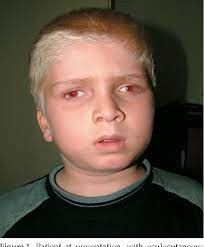
Hermansky-Pudlak Syndrome
Hermansky-Pudlak Syndrome is a rare genetic metabolic disorder marked by albinism, visual impairment, and platelet dysfunction.
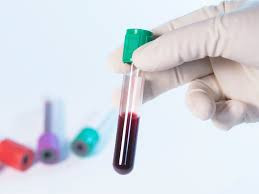
Platelet Aggregation
The platelet aggregation test is a procedure used to assess how effectively platelets aggregate to form blood clots.

What Tests Are Required to Diagnose Thalassemia?
Blood tests are commonly used to diagnose thalassemia.
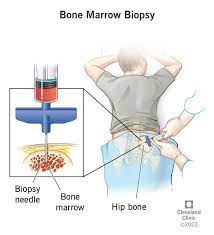
Bone Marrow
A bone marrow test is used to analyze the fluid and tissue within the bone marrow

Factor IX
The factor IX test evaluates factor IX activity to determine its effectiveness.